

In this Artist Story, we explore the journey of Armin van Buuren, from his early passion for electronic music in the Netherlands to becoming one of the most influential trance artists in the world. Through iconic tracks, A State of Trance, unforgettable festival moments and a deep connection with his fans, Armin built more than a career: he built a global community.
In this post:
The Early Years
Discovering Electronic Music
Blue Fear and the First Breakthrough
A State of Trance: More Than a Radio Show
Building the Global Trance Community
The Festival Era
This Is What It Feels Like and Mainstream Recognition
Why Armin van Buuren Changed Trance Music
Curiosities and Anecdotes
Final Thoughts
Armin van Buuren: The Trance Visionary Who Built a Global Movement
Some DJs become famous because they create hits.
Others become icons because they create a sound, a community and a feeling that lasts for decades.
Armin van Buuren belongs to the second category.
His story is not only the story of a Dutch DJ who became one of the biggest names in electronic music. It is the story of an artist who helped define trance as an emotional, euphoric and global language.
While many electronic artists built their careers around trends, Armin built his around consistency, discipline and connection. From early trance productions to massive festival stages, from intimate radio episodes to sold-out A State of Trance events, his career shows how powerful electronic music can become when it is treated not only as entertainment, but as a shared emotional experience.
The Early Years
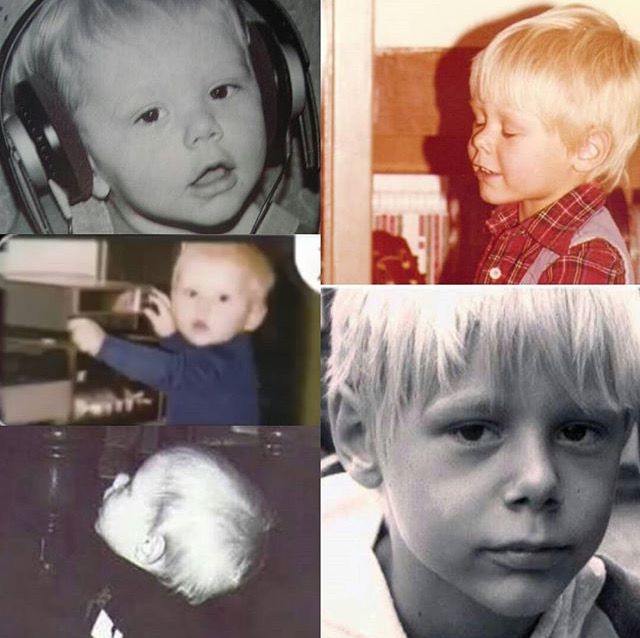
Armin van Buuren was born in Leiden, in the Netherlands, on December 25, 1976.
Before becoming one of the most recognized DJs in the world, he was a young music obsessive fascinated by sound, technology and records. Like many electronic artists of his generation, his path did not begin with instant fame. It began with curiosity.
He grew up during a period in which electronic music was evolving rapidly across Europe. Synthesizers, drum machines and club culture were changing the idea of what music could be. For someone like Armin, this world offered endless possibilities.
Electronic music was not only something to listen to. It was something to build, shape and explore.
What made Armin different from the beginning was his combination of emotion and precision. His music would later become known for huge melodies, euphoric build-ups and emotional release, but behind that sound there was always a serious producer’s mindset.
He was not only chasing energy. He was chasing feeling.
Discovering Electronic Music
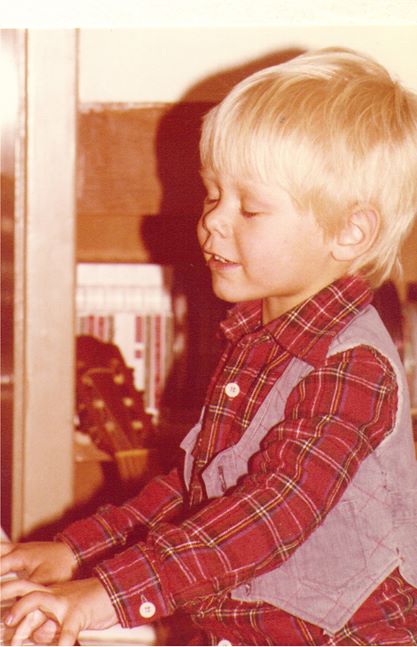
Armin’s passion for electronic music grew together with his fascination for radio and DJ culture.
Before streaming platforms made music instantly available, radio shows and DJ mixes were essential for discovering new tracks. They were windows into scenes, clubs and sounds that listeners could not easily access elsewhere.
This shaped Armin’s way of thinking.
He understood early that a DJ could do more than play records. A DJ could guide people through music, introduce them to new emotions and create a sense of belonging.
This idea would become central to his career.
Instead of treating DJing only as performance, Armin treated it as storytelling. A great trance set was not just a sequence of tracks. It was a journey: tension, melody, atmosphere, energy, breakdown, release.
That narrative approach became one of the foundations of his identity.
Blue Fear and the First Breakthrough
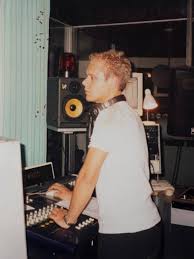
One of the first major moments in Armin van Buuren’s rise was “Blue Fear”.
Released during the late 1990s, the track became an important breakthrough for him within the trance scene. It carried many of the elements that would later define his sound: emotional melody, driving rhythm and a sense of elevation.
“Blue Fear” was not simply a club track. It had atmosphere.
It showed that Armin had a natural ability to create music that could work both physically and emotionally. The beat moved the body, but the melody stayed in the mind.
This balance became one of his greatest strengths.
In trance music, melody is not decoration. It is the emotional center. Armin understood that better than almost anyone.
“Blue Fear” helped establish him as a serious name in the scene and opened the path toward a much larger career.
A State of Trance: More Than a Radio Show
If there is one project that defines Armin van Buuren’s legacy, it is A State of Trance.
Launched in 2001, A State of Trance became much more than a weekly radio show. It became a global institution for trance music.
Every episode gave listeners a curated journey through new releases, emotional melodies, club tracks and future classics. For many fans, ASOT became a ritual: a weekly moment to connect with the music and with a worldwide community of listeners.
This is what made the project so powerful.
A State of Trance was not only about Armin as a DJ. It was about building a platform for the entire trance movement.
The show supported new artists, gave visibility to producers, connected fans across countries and helped keep trance alive through different eras of electronic music.
In a world where trends change quickly, ASOT gave trance a home.
Building the Global Trance Community
The success of A State of Trance proved something important: electronic music fans did not only want hits. They wanted identity.
Armin helped create a sense of community around trance.
The ASOT brand expanded from radio into major events, festivals and world tours. What began as a broadcast became a global gathering point for people who connected with the euphoric and emotional side of electronic music.
This community aspect is one of the main reasons Armin has remained relevant for so long.
Many artists rise quickly and disappear when trends change. Armin built a loyal fanbase that followed not only individual singles, but a complete musical world.
For trance fans, ASOT is more than a name. It represents a feeling: unity, elevation, emotion and release.
The Festival Era
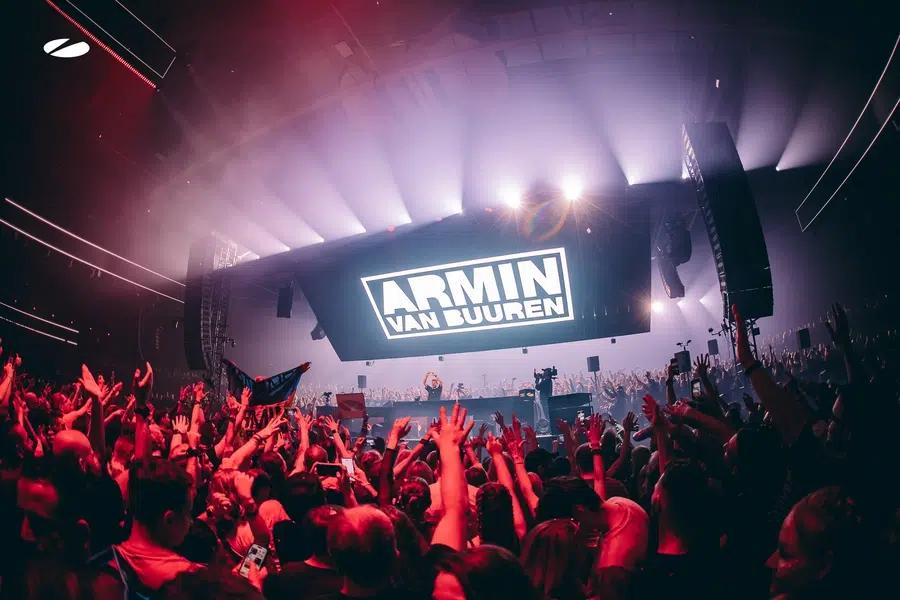
As electronic music grew into a global festival movement, Armin van Buuren became one of its most important figures.
His sets at major festivals helped introduce trance to huge audiences around the world. Whether performing at Tomorrowland, Ultra, EDC or ASOT events, Armin became known for his ability to create emotional high points inside massive crowds.
This is one of the most difficult things for a DJ to do.
Playing to a festival audience is not the same as playing in a small club. The energy must be bigger, the transitions clearer, the emotional moments stronger.
Armin mastered this scale without completely losing the essence of trance.
His performances often combine uplifting melodies, powerful drops, vocal anthems and moments of pure emotional release. That combination made him one of the most beloved festival DJs in the world.
This Is What It Feels Like and Mainstream Recognition
In 2013, Armin reached a new level of mainstream recognition with “This Is What It Feels Like”, featuring Trevor Guthrie.
The track became one of his most recognizable crossover moments. It brought his emotional electronic sound closer to pop audiences while still maintaining a dance music foundation.
The song also earned him a Grammy nomination for Best Dance Recording, marking an important moment not only in his career but also in the wider recognition of trance-influenced electronic music.
What made the track work was its simplicity.
It had a strong vocal, a memorable chorus and an uplifting production style. It was accessible enough for radio but still connected to the emotional DNA of Armin’s sound.
For many casual listeners, this was the song that introduced them to Armin van Buuren.
For longtime fans, it showed that trance emotion could enter the mainstream without losing its identity completely.
Why Armin van Buuren Changed Trance Music
Armin did not invent trance, but he helped give it a global structure, voice and platform.
His influence can be understood in three major ways.
First, as a producer, he created tracks that helped define the emotional and melodic side of the genre.
Second, as a DJ, he brought trance to the biggest stages in the world and proved that the sound could work at festival scale.
Third, as the host and founder of A State of Trance, he created one of the most important platforms in electronic music history.
This combination is rare.
Many artists are great producers. Some are great DJs. Others are strong curators or brand-builders. Armin became all three.
That is why his legacy goes beyond individual songs.
He helped build the infrastructure of modern trance culture.
Curiosities and Anecdotes
One of the most interesting things about Armin van Buuren is his discipline.
His career has always been marked by consistency. A State of Trance became successful not because of one viral moment, but because of weekly dedication over years and years.
That kind of commitment is unusual in the fast-moving world of electronic music.
Another interesting aspect is his academic background. Armin studied law while also building his music career, which shows the balance between structure and creativity that has often defined his personality.
He has also been known for his strong connection with fans. The ASOT community grew because listeners felt included in the journey. The radio show was not only a broadcast from an artist to an audience; it felt like a conversation with a global family.
This relationship with fans is one of the reasons he has remained so respected.

The Balance Between Trance and Evolution
Like many long-running artists, Armin has faced the challenge of evolution.
Trance changed. EDM exploded. Pop collaborations became more common. Festival crowds became bigger and more diverse. Harder sounds returned. Melodic techno became dominant in many spaces.
Through all of this, Armin continued to adapt.
Sometimes he leaned more toward uplifting trance. Sometimes toward progressive, big-room, pop crossover or darker festival sounds. This flexibility allowed him to stay relevant, but it also created debate among purist fans.
That tension is part of his story.
Armin has always had to balance loyalty to trance with the need to evolve as an artist.
The fact that he is still considered one of the most important trance figures in the world shows how strong that balance has been.
Artist Legacy
Armin van Buuren’s legacy is enormous.
He is one of the most successful DJs in the history of electronic music, a five-time DJ Mag Top 100 winner, a Grammy-nominated artist and the creator of one of the most influential radio shows and event brands in dance music.
But beyond the numbers, his real legacy is emotional.
He helped millions of people understand trance not just as a genre, but as a feeling.
A State of Trance became a place where fans could discover music, connect with others and feel part of something larger than themselves.
That is why Armin’s impact cannot be measured only through charts, awards or festival bookings.
His influence lives in the community he built.
Final Thoughts
Armin van Buuren’s story is one of passion, discipline and emotional vision.
From his early years in the Netherlands to his breakthrough with tracks like “Blue Fear”, from the creation of A State of Trance to global festival stages and Grammy recognition, he has shaped the sound and culture of trance for more than two decades.
His career proves that electronic music can be both powerful and deeply human.
It can be euphoric, emotional, technical, spiritual and communal at the same time.
Armin did not simply become famous as a DJ.
He became the voice of a movement.
And for millions of trance fans around the world, that movement still feels alive every time the melody rises, the crowd lifts its hands and the music enters a state of trance.
Artist Story Rating
Influence: 9.8/10
Career Evolution: 9.4/10
Cultural Impact: 9.7/10
Trance Legacy: 10/10
Overall Artist Story Rating: 9.8/10