In this Artist Story, we explore the journey of Calvin Harris, from his early days as a bedroom producer in Scotland to becoming one of the most successful and influential figures in modern dance music. Through synth-pop, club anthems, global collaborations and a unique instinct for melody, Harris helped reshape the relationship between electronic music and mainstream pop.
In this post:
The Early Years in Scotland
The Bedroom Producer Years
“I Created Disco”: The First Breakthrough
Finding His Sound
“We Found Love” and the Global Explosion
“18 Months” and the Dance-Pop Revolution
The Festival Era
Funk Wav Bounces and Reinvention
Why Calvin Harris Changed Modern Pop
Curiosities and Anecdotes
Final Thoughts
Calvin Harris: The Scottish Producer Who Turned Dance Music Into Global Pop
Some artists follow trends.
Calvin Harris helped create one.
Before he became one of the most successful DJs and producers in the world, before the Rihanna collaboration, before the festival stages and billion-stream singles, Calvin Harris was a young producer from Scotland experimenting with electronic sounds, pop hooks and home-made production.
His story is not only about fame.
It is the story of an artist who understood how electronic music could become simple, emotional, commercial and still powerful. While many producers tried to make dance music bigger by adding more noise, Calvin Harris often did the opposite. He built songs around clear melodies, strong vocals, clean production and instantly recognizable hooks.
That instinct turned him from a bedroom producer into one of the architects of modern dance-pop.

The Early Years in Scotland
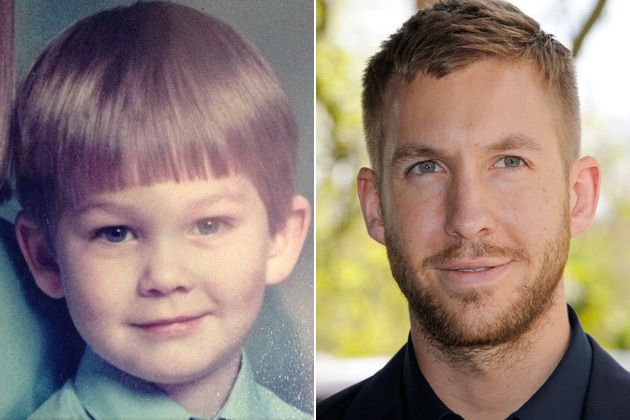
Calvin Harris was born Adam Richard Wiles in Dumfries, Scotland, on January 17, 1984.
Long before the international charts and Las Vegas residencies, he was a teenager fascinated by electronic music and production. His early world was far away from the glamour of Ibiza, Miami or global EDM festivals.
That distance is part of what makes his story interesting.
Calvin Harris did not emerge from a famous club capital. He came from a smaller environment, where imagination, persistence and access to music technology became the real starting point.
Like many producers of his generation, he learned by experimenting. He explored sounds, built tracks, tested ideas and gradually developed the sharp melodic instinct that would later define his career.
At the beginning, he was not trying to become a superstar DJ.
He was trying to make music that felt exciting, direct and different.
The Bedroom Producer Years
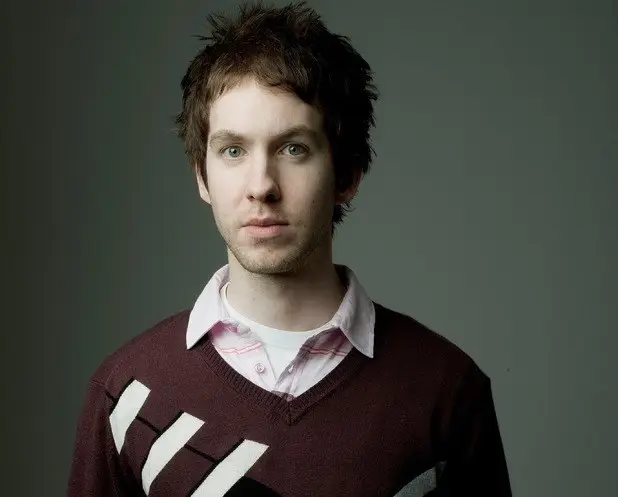
One of the most important parts of Calvin Harris’ identity is the fact that he started as a producer before becoming a global DJ figure.
This matters because his career has always been built around songwriting and production as much as performance.
In the early stages, Harris created music with a raw, playful and electronic character. His sound was not yet the polished dance-pop machine that would later dominate radio. It was more eccentric, more synthetic and more connected to the DIY spirit of electronic music.
There was a sense of humor in his early work.
There was also a strong understanding of groove.
Even when the production sounded simple, the ideas were catchy. Harris had a natural ability to build tracks that were easy to remember. That gift would become one of his greatest strengths.
“I Created Disco”: The First Breakthrough
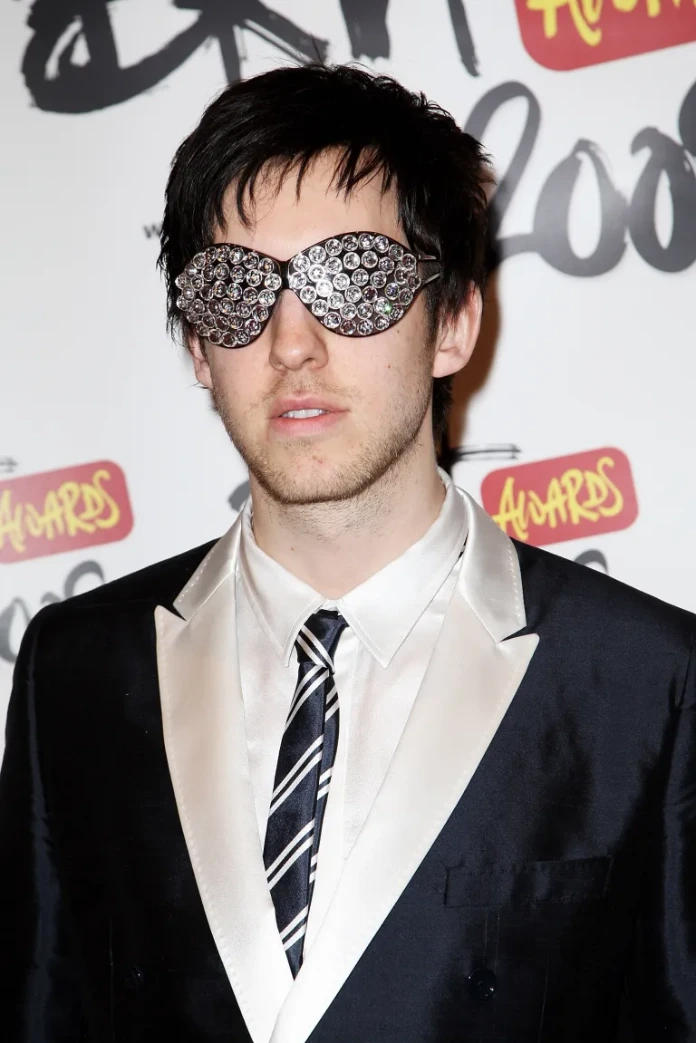
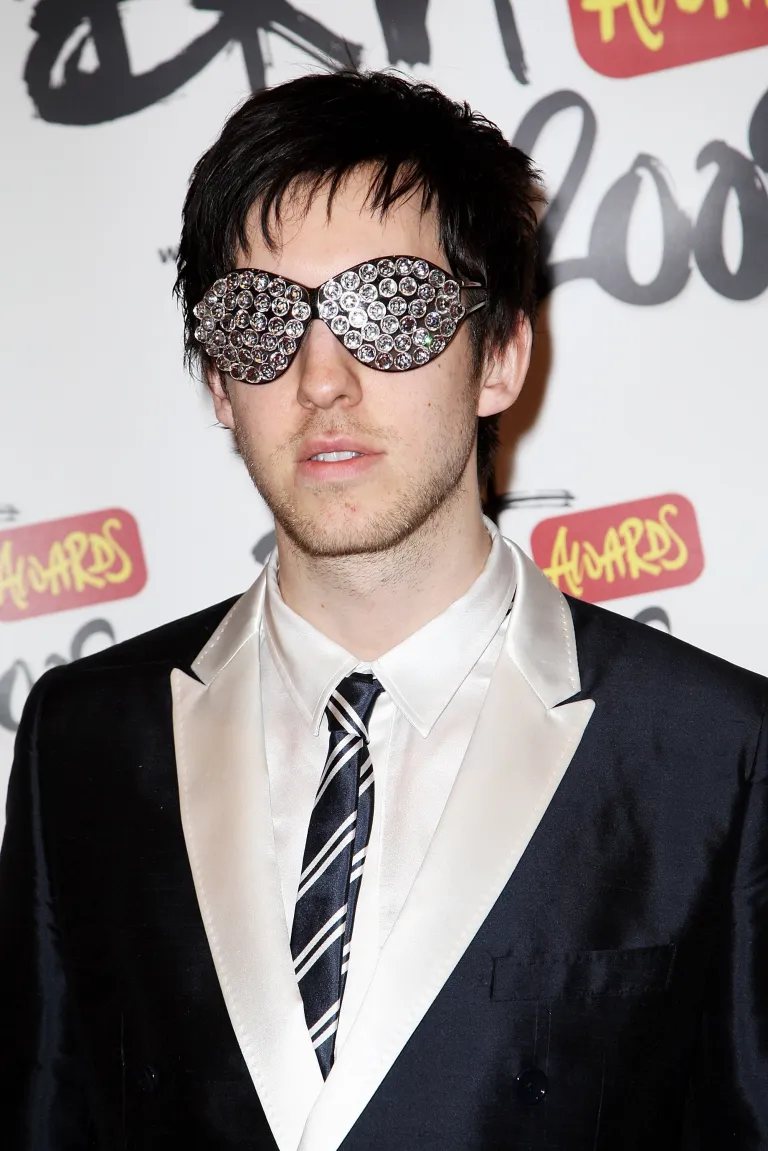
Calvin Harris’ first major breakthrough came with his debut album “I Created Disco”, released in 2007.
The album introduced him as a fresh and unusual voice in electronic music. It mixed electro, synth-pop, dance music and a slightly ironic pop attitude. Tracks like “Acceptable in the 80s” and “The Girls” helped define his early image: colorful, playful, retro and catchy.
This was not the Calvin Harris of massive festival drops yet.
This was a younger artist building a sound around vintage synth textures, simple vocal hooks and danceable energy.
“I Created Disco” worked because it had personality.
At a time when electronic music was moving in many different directions, Harris created something that felt instantly recognizable. It was not underground techno, not traditional pop, not classic house. It was his own strange and memorable version of electronic pop.
That originality helped him stand out.
Finding His Sound
After the debut, Calvin Harris continued refining his identity.
His second album, “Ready for the Weekend”, pushed him further into dance-pop territory. The title track and singles like “I’m Not Alone” showed a more emotional and club-ready side of his production.
This period was important because Harris was moving from quirky synth-pop toward something bigger.
The melodies became stronger. The production became more polished. The songs started feeling less like experiments and more like anthems.
He was learning how to write electronic music that could work both in clubs and on radio.
That balance would become the core of his global success.
“We Found Love” and the Global Explosion
The real international explosion came with “We Found Love”, his collaboration with Rihanna.
Released in 2011, the song became a massive global success and changed Calvin Harris’ career forever. It was not just another pop collaboration. It was one of the defining dance-pop records of the early 2010s.
The track worked because it was simple, emotional and euphoric.
Rihanna’s vocal gave the song a human and instantly recognizable center, while Harris’ production created a bright, powerful and festival-ready atmosphere.
The result was a song that could dominate radio, clubs and arenas at the same time.
“We Found Love” proved that electronic production could sit at the very center of global pop music. It also showed that Calvin Harris was not only a DJ or producer. He was a hitmaker capable of shaping the sound of mainstream music.
This was the moment when his career moved to another level.
“18 Months” and the Dance-Pop Revolution
In 2012, Calvin Harris released “18 Months”, the album that fully confirmed his role as one of the leading architects of modern dance-pop.
The project included major tracks such as “Feel So Close”, “Sweet Nothing” with Florence Welch, “I Need Your Love” with Ellie Goulding, “Let’s Go” with Ne-Yo and “We Found Love” with Rihanna.
What made “18 Months” so important was its consistency.
It was packed with singles, but it also represented a larger cultural shift. Dance music was no longer sitting outside pop. It was becoming pop.
Harris helped build that bridge.
His productions were clean, melodic and direct. They had the emotional structure of pop songs and the physical energy of club records. That combination made them perfect for the streaming era, radio rotation and festival stages.
“18 Months” became a blueprint for a whole generation of dance-pop producers.
The Festival Era
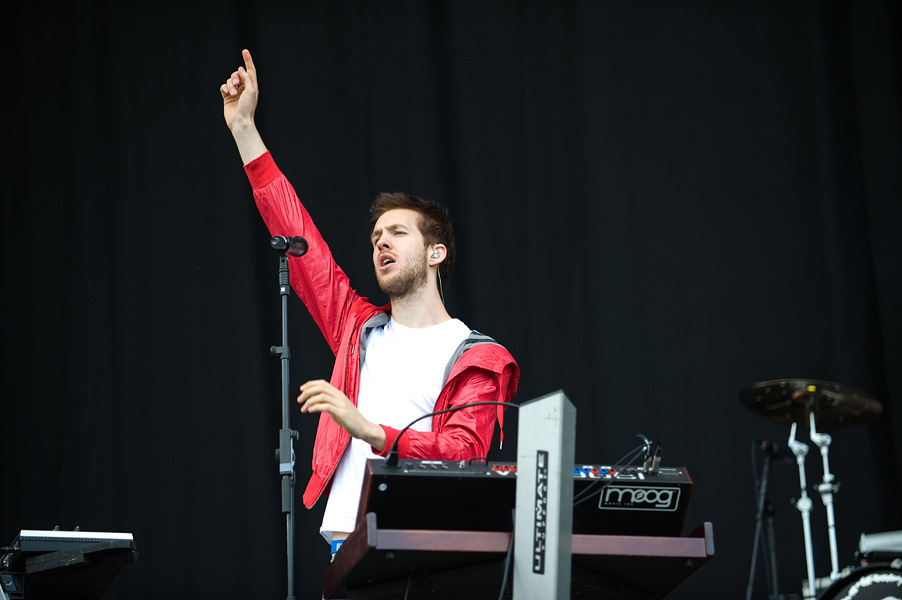
As EDM exploded globally, Calvin Harris became one of the most important names in festival culture.
His music was perfectly suited to large stages.
The hooks were clear. The drops were powerful. The songs were already familiar to huge audiences. This meant that a Calvin Harris set could feel both like a DJ performance and a greatest-hits show.
That is one of the reasons he became such a dominant festival figure.
His catalog gave crowds moments they could immediately recognize and sing back. Tracks like “Summer”, “Feel So Close”, “Outside”, “Blame” and “This Is What You Came For” became part of the soundtrack of 2010s festival culture.
Unlike some DJs who built their identity mainly around underground credibility, Harris became a master of scale.
He understood how to make electronic music feel massive without losing its pop clarity.
Funk Wav Bounces and Reinvention
One of the most interesting parts of Calvin Harris’ career is his ability to reinvent himself.
With “Funk Wav Bounces Vol. 1”, released in 2017, he moved away from the festival EDM sound and created something warmer, smoother and more groove-oriented.
The album included collaborations with artists such as Frank Ocean, Migos, Pharrell Williams, Katy Perry, Ariana Grande, Young Thug, Future and many others.
This era showed a different side of Harris.
Instead of chasing the biggest drop, he focused on funk, disco, summer grooves and relaxed luxury. Tracks like “Slide” and “Feels” gave his music a sun-soaked, stylish and more organic atmosphere.
It was a smart move.
At a time when festival EDM was becoming oversaturated, Harris shifted direction and reminded listeners that he was not only a producer of big anthems. He was also a curator of sound, mood and collaboration.
Why Calvin Harris Changed Modern Pop
Calvin Harris changed modern pop because he helped make electronic production feel natural inside mainstream songwriting.
Before the 2010s, many pop songs used electronic elements, but Harris helped push dance production into the center of the song.
The beat was not just background.
The synth melody was not just decoration.
The drop was not just a club trick.
In his best work, all these elements became part of the emotional identity of the song.
He also helped define the modern producer-as-artist model. Like David Guetta, he showed that a producer could be the central creative figure of a global hit, even when another artist delivered the vocal.
That idea changed how pop collaborations worked.
The producer was no longer invisible.
The producer became the brand.
Curiosities and Anecdotes
One interesting thing about Calvin Harris is how private he has often remained compared to many other superstar DJs.
Despite his huge commercial success, he has never built his image only around personality or spectacle. His public identity has always been more controlled, understated and focused on music.
Another fascinating detail is his evolution from singing on his own early tracks to becoming one of the world’s most in-demand producers for major vocalists.
In the beginning, Harris often used his own voice because it matched the playful, synthetic world of his early records. Later, as his productions became bigger and more global, he worked with some of the most recognizable voices in pop, R&B and hip-hop.
That transition shows his understanding of scale.
He knew when his own voice suited the song, and he knew when another artist could take the track further.
The Balance Between Commercial Success and Artistic Control
Calvin Harris’ career also raises an interesting question: how do you stay artistically relevant when your sound becomes extremely commercial?
For Harris, the answer has often been reinvention.
He moved from electro-pop to EDM, from festival anthems to funk-inspired summer records, from radio hits to more club-oriented releases, while still keeping a recognizable production identity.
This ability to adapt has kept him relevant for nearly two decades.
Many producers become trapped inside the sound that made them famous. Harris has repeatedly changed direction before the audience could fully predict him.
That is one of the reasons his career has lasted.
Artist Legacy
Calvin Harris’ legacy is already clear.
He is one of the most successful dance producers of the 21st century, a key figure in the rise of EDM-pop, a Grammy-winning artist and one of the names that helped transform DJs into global pop icons.
His influence can be heard across modern radio, festival lineups and dance-pop production.
But his real legacy is not only commercial.
It is structural.
He helped change how pop music is built. He helped make the producer a front-facing artist. He helped show that electronic music could be simple, emotional, direct and globally accessible.
That impact goes far beyond individual hits.
Final Thoughts
Calvin Harris’ story is one of evolution, precision and instinct.
From a young producer in Scotland to one of the most influential figures in global dance music, he built a career by understanding what makes songs work: melody, energy, space, vocal identity and timing.
His music helped define the sound of the 2010s and pushed electronic production into the heart of mainstream pop.
But what makes Calvin Harris especially interesting is that he never remained fixed in one version of himself.
He started with quirky synth-pop, became a global EDM-pop architect, dominated festival stages, explored funk and disco-inspired grooves, and continued to adapt across eras.
Calvin Harris did not just create hits.
He created a sound that helped shape an entire decade of popular music.
Artist Story Rating
Influence: 9.6/10
Career Evolution: 9.5/10
Commercial Impact: 9.8/10
Festival Legacy: 9.3/10
Production Identity: 9.6/10
Overall Artist Story Rating: 9.6/10