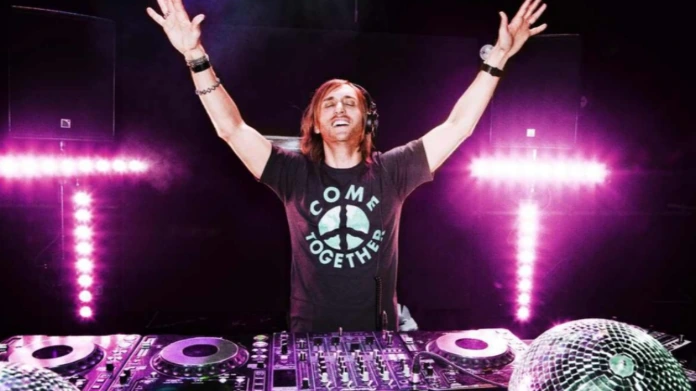
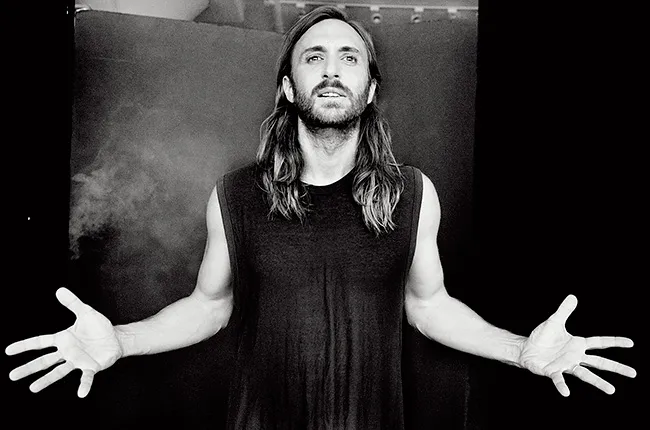

In this Artist Story, we explore the journey of David Guetta, from his early years in the Paris club scene to his global breakthrough with “One Love”. Through ambition, instinct, Ibiza culture and a revolutionary fusion of dance music with pop, R&B and hip-hop, Guetta became one of the most influential DJs in modern music history.
In this post:
The Paris Years
Discovering House Music
Building a Name in French Nightlife
The Ibiza Connection
“Just a Little More Love”: The First Breakthrough
The Road to Global Fame
“One Love” and the EDM Explosion
Why David Guetta Changed Pop Music
Curiosities and Anecdotes
Final Thoughts
David Guetta: From Paris Clubs to Global EDM Icon
Before David Guetta became one of the most famous DJs in the world, before the stadium shows, the festival main stages and the billion-stream hits, he was simply a young Parisian DJ fascinated by the power of club music.
His story is not the story of an overnight success.
It is the story of someone who spent years inside clubs, learning how people move, how a room reacts, how a beat can change the energy of a night, and how electronic music could eventually become something much bigger than an underground scene.
David Guetta did not just become famous because he made hit records. He became famous because he understood, earlier than many others, that dance music could speak the language of pop without losing its emotional and physical power.
The Paris Years
David Guetta was born in Paris on November 7, 1967.
Long before EDM became a global industry, he started developing his identity in the city’s nightlife. Paris in the 1980s and 1990s was not yet the global electronic capital that Ibiza, London or Chicago represented in the imagination of club culture, but it was full of energy, experimentation and late-night spaces where DJs could shape their taste.
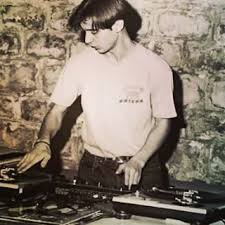
Guetta began DJing as a teenager and gradually became part of the French club scene. At that time, being a DJ was very different from what it is today.
There were no viral clips, no festival livestreams, no social media campaigns, no global EDM ranking culture.
A DJ had to build a name night after night, reading the room, connecting records and creating trust with the crowd.
That was Guetta’s first school.
Discovering House Music
One of the key turning points in Guetta’s early career was his connection with house music.
House was born in American club culture, especially in Chicago and New York, and carried a powerful combination of rhythm, soul, repetition and liberation. For a young European DJ, it represented something fresh and modern.
Guetta was attracted to the direct emotional force of house music.
Unlike rock or traditional pop, house did not always need a conventional song structure to create impact. It could work through groove, repetition, vocal samples, basslines and collective energy.
This shaped Guetta’s future approach.
Even when he later became known for massive pop collaborations, the foundation of his sound remained connected to the dance floor.
Building a Name in French Nightlife
Before becoming a recording artist, Guetta became known as a club figure.
He played in Parisian venues, organized parties and developed a reputation as someone who could bring together music, nightlife and atmosphere.
This is important because Guetta’s career was never only about producing tracks. From the beginning, he understood the importance of creating an experience around the music.
The DJ booth, the party concept, the audience, the venue and the branding all mattered.
That understanding would later become essential when he and Cathy Guetta developed the famous “F*** Me I’m Famous” concept, one of the most recognizable party brands connected to Ibiza and international club culture.

The Ibiza Connection
Ibiza played a crucial role in Guetta’s rise.
For many DJs, Ibiza is not just an island. It is a testing ground. A place where club culture, tourism, celebrity, underground music and global dance audiences meet.
Guetta understood the power of Ibiza early.
The “F*** Me I’m Famous” parties became one of the key parts of his identity. The name itself was ironic, playful and provocative, reflecting the celebrity culture surrounding nightlife while also turning it into a brand.
What made the concept work was its ability to mix worlds.
It was not only about underground clubbers or only about VIP culture. It was about creating a glamorous, high-energy environment where dance music could feel international, fashionable and accessible.
This Ibiza connection helped Guetta move from being a respected French DJ to becoming a recognizable European figure.
“Just a Little More Love”: The First Breakthrough
The first major turning point in David Guetta’s recording career came with “Just a Little More Love”.
Released as a single in 2001 and followed by his debut album in 2002, the track introduced many listeners to Guetta’s early sound: house-based, melodic, soulful and accessible.
The song featured American vocalist Chris Willis, who would become an important voice in Guetta’s early career.
This collaboration was crucial.
Willis’ vocals gave Guetta’s productions a human, emotional dimension. The combination of electronic rhythm and soulful vocal performance helped create a bridge between club music and radio-friendly songwriting.
“Just a Little More Love” was not yet the global EDM explosion that would come later, but it showed the direction Guetta was moving in.
He was not producing cold club tools. He was making dance music with hooks, personality and crossover potential.
The Road to Global Fame
After the debut album, Guetta continued building his sound and audience.
Albums like “Guetta Blaster” and “Pop Life” helped him grow across Europe and develop a clearer identity. He was still connected to club culture, but increasingly interested in bigger songs, stronger vocals and international collaborations.
This phase is important because it shows that Guetta’s success was gradual.
He did not jump immediately from French clubs to American pop radio. He spent years refining the formula.
By the late 2000s, the music world was changing.
Pop was becoming more open to electronic production. Hip-hop and R&B artists were experimenting with club sounds. Festivals were growing. Digital music was changing how songs traveled internationally.
Guetta saw the opportunity before many others.
“One Love” and the EDM Explosion
The real global breakthrough came in 2009 with “One Love”.
This album changed everything.
With tracks like “When Love Takes Over” featuring Kelly Rowland, “Sexy Bitch” featuring Akon and “Memories” featuring Kid Cudi, Guetta found the formula that would define a new era: big pop voices, emotional hooks and electronic production built for both radio and festival stages.
“When Love Takes Over” was especially important.
The track combined a powerful vocal performance from Kelly Rowland with a euphoric electronic structure, creating one of the defining dance-pop moments of the late 2000s.
At the same time, Guetta’s work on “I Gotta Feeling” by The Black Eyed Peas helped push electronic production even deeper into mainstream pop. The song became one of the most successful party records of its era and showed how dance music could dominate global charts.
This was the moment when David Guetta stopped being only a famous DJ.
He became one of the architects of modern EDM-pop.

Why David Guetta Changed Pop Music
David Guetta’s impact is not only about his own hits.
His real importance lies in the way he changed the relationship between DJs and pop stars.
Before the EDM boom, DJs were often seen as club specialists, remixers or underground figures. Guetta helped change that perception.
He showed that a DJ-producer could stand at the center of a global pop record.
He also showed that electronic music could work with R&B, hip-hop and pop vocals without becoming a niche product.
This opened the door for a new generation of producer-DJs: Calvin Harris, Avicii, Zedd, Swedish House Mafia, Martin Garrix and many others would benefit from a world that Guetta helped prepare.
In many ways, Guetta helped make the DJ a pop star.
Curiosities and Anecdotes
One of the most interesting aspects of David Guetta’s career is how much of it was built on instinct.
His collaboration with Chris Willis began almost unexpectedly, but it became one of the defining partnerships of his early sound.
His Ibiza party brand started with an ironic name, but eventually became a symbol of glamorous international club culture.
His breakthrough in America came not by abandoning dance music, but by making pop artists understand how powerful dance production could be.
Another fascinating detail is that Guetta was already an experienced DJ before becoming a global recording superstar. Many listeners discovered him through “One Love”, but by that point he had already spent decades inside nightlife culture.
That experience gave him an advantage.
He knew how records worked in real rooms, not just on radio.
The Balance Between Criticism and Success
David Guetta’s rise was not without criticism.
Some underground electronic fans accused him of making dance music too commercial. Others felt that his pop collaborations moved too far away from club culture.
But this criticism is also part of what makes his career important.
Guetta stood at the center of a major transformation. He was one of the artists who moved electronic music from clubs into stadiums, radio charts and mainstream pop culture.
Whether people love or criticize that transformation, it is impossible to deny its impact.
He changed the scale of what a DJ could be.
Artist Legacy
David Guetta’s legacy is built on several levels.
As a DJ, he helped bring house and dance music to global audiences.
As a producer, he created hits that shaped the sound of late 2000s and early 2010s pop.
As a brand, he helped define the modern image of the superstar DJ.
As a collaborator, he connected electronic music with some of the biggest voices in pop, R&B and hip-hop.
His career also proves that longevity in music requires adaptation. Guetta has moved through house, electro-pop, EDM, future rave, festival anthems and radio singles while remaining relevant across generations.
That is not easy.
Many artists become trapped in one era. Guetta kept evolving.
Final Thoughts
David Guetta’s story is one of the most important artist journeys in modern dance music.
From Parisian clubs to Ibiza parties, from early house records to global pop collaborations, he helped transform electronic music into one of the dominant forces of the 21st-century music industry.
His rise was not sudden. It was built through years of DJing, experimenting, networking, producing and understanding what makes people move.
The reason David Guetta became famous is not only that he made big songs.
It is that he understood the emotional power of dance music before the mainstream fully embraced it.
He saw that the club could become global.
And then he helped make it happen.
Artist Story Rating
Influence: 9.8/10
Career Evolution: 9.5/10
Cultural Impact: 9.7/10
Festival Legacy: 9.6/10
Overall Artist Story Rating: 9.7/10