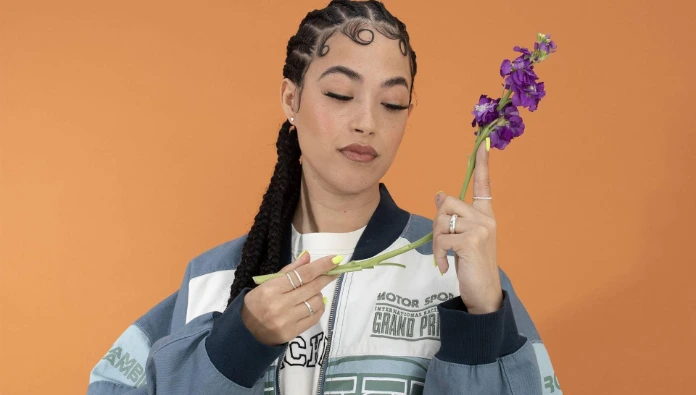
There is a particular kind of success that can arrive very quickly in dance music. One record catches fire, playlists pick it up, clubs begin playing it everywhere and, almost overnight, an artist who was largely unknown outside a local scene suddenly finds themselves standing in front of an international audience.
What happens after that moment is usually far more interesting.
For Jazzy, the breakthrough arrived through a voice that was already difficult to forget. First came her collaborations with Belters Only, most notably “Make Me Feel Good”, before Giving Me established her as a solo artist capable of translating the energy of Dublin’s club culture into something that could work just as naturally on mainstream radio and the UK charts.
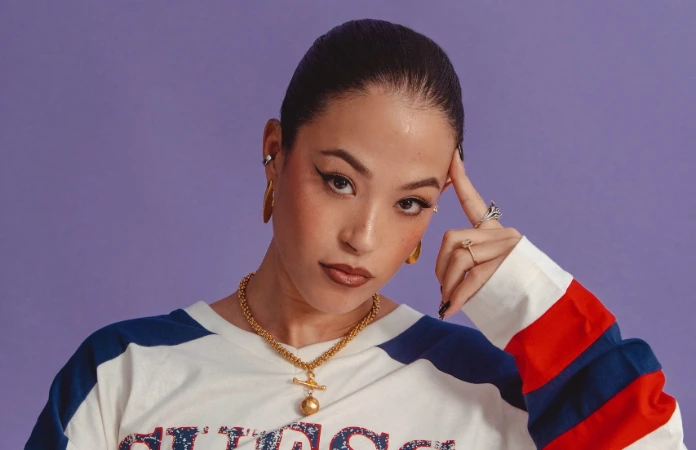
Three years later, that initial breakthrough has developed into something much larger. Jazzy is now a singer, songwriter, DJ and increasingly complete electronic artist, moving between vocal house, club music, pop and the more underground side of the scene without completely separating those worlds.
Her debut album Peace & Patience arrives on October 23rd, 2026, and one day later she is scheduled to play the biggest headline concert of her career at Dublin’s 3Arena. According to Jazzy herself, the night will also make her the first female DJ to headline the venue.
For an artist who, only a few years ago, was still discovering how far her voice could take her, it is a remarkable progression.
In this article:
- From Dublin to Belters Only
- The Song That Changed Everything
- Why “Giving Me” Was More Than a Viral Hit
- Finding the Jazzy Sound
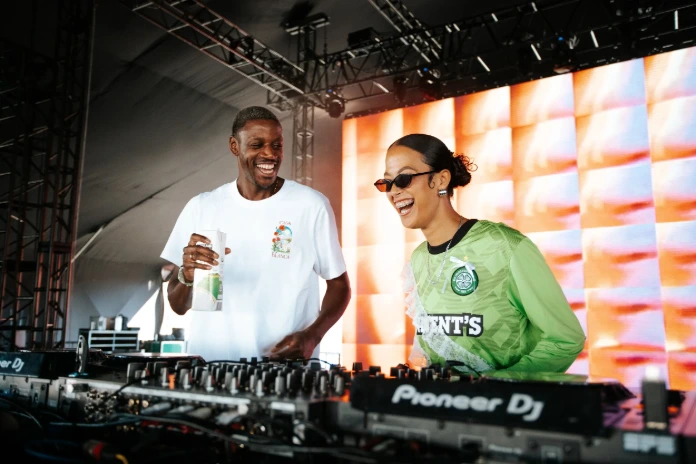
- From Vocalist to DJ
- GEWAH and Building a World Beyond the Singles
- From Dublin to Ibiza and the Global Festival Circuit
- Why Jazzy’s Story Matters for Irish Dance Music
- Our Final Thoughts
From Dublin to Belters Only
Born Yasmine Byrne in Crumlin, Dublin, in 1996, Jazzy grew up surrounded by a city whose relationship with dance music runs much deeper than the occasional chart crossover. Her influences would eventually stretch across house, pop, hip-hop, eurodance and vocal trance, but the club remained at the centre of how she understood music. Official Charts describes her sound across those same electronic territories, while Jazzy has repeatedly spoken about the importance of keeping her records energetic and dancefloor-focused.
Her first major breakthrough came through Belters Only, the Irish production duo who were themselves beginning to turn Dublin’s renewed dance momentum into commercial success.
“Make Me Feel Good” became the record that introduced Jazzy’s voice to a much wider audience. The track reached No. 4 on the UK Singles Chart and No. 1 in Ireland, spending 38 weeks on the UK chart and giving both Belters Only and Jazzy a genuine crossover moment.
It would have been easy for Jazzy to remain the recognisable vocalist attached to somebody else’s production.
Instead, that record became the beginning rather than the definition of her career.
A second Belters Only collaboration, Don’t Stop Just Yet, followed, but by then Jazzy was already beginning to think about what her own music should sound like. The distinction became important because the voice was clearly working, yet the next challenge was to establish the personality behind it.
That arrived with “Giving Me.”
The Song That Changed Everything
Released in 2023, “Giving Me” was Jazzy’s first solo single and the record that changed the scale of her career almost immediately.
Built around a warm house groove, a memorable vocal and the kind of chorus that sits somewhere between club record and pop song, the track did not sound like a radical departure from the world she had entered with Belters Only. Instead, it felt like a more focused version of it, with Jazzy finally occupying the centre of the record rather than simply providing the vocal.
The results were enormous.
Giving Me reached No. 3 on the UK Singles Chart, spent seven weeks inside the UK Top 10 and remained on the overall chart for 32 weeks. In Ireland it went all the way to No. 1 for three weeks, making Jazzy the first Irish female solo artist in more than a decade to top the Official Irish Singles Chart.
There was another milestone developing at the same time. In May 2023, IMRO reported that Jazzy had become the first Irish female artist to reach No. 1 on Spotify Ireland’s Top 50 since the platform launched in the country in 2012, knocking Calvin Harris and Ellie Goulding’s Miracle from the top position. At that stage, Giving Me had already generated 1.7 million streams in Ireland alone.
For a debut solo single, it was an unusually complete breakthrough.
But what made the record especially important was not simply the chart position. It gave Jazzy the opportunity to define what existed beyond the success.
Why “Giving Me” Was More Than a Viral Hit
Dance music can create enormous records without necessarily creating long careers. A vocalist can appear on a major house single, become instantly recognisable for one summer and then struggle to turn that visibility into an identity of their own.
Jazzy understood that difference early.
Speaking to Official Charts during the rise of Giving Me, she explained that a Jazzy record needed to remain bright, upbeat and rooted in the club, summarising her approach with a very simple rule: if a track cannot work on a dancefloor, it does not really belong in her world.
That philosophy helps explain why her music has remained accessible without moving completely into conventional pop.
The hooks are direct and the vocals are often immediate, but the rhythmic foundation usually comes first. Even when a track is clearly capable of reaching radio audiences, it still tends to carry the movement and repetition of music designed for clubs.
EDM Lab described Giving Me as a dance-pop record centred around leaving a toxic relationship behind, but the emotional theme never turns the production into a ballad or slows its momentum. The release instead uses the energy of house music as part of the message: the relationship is over, the healing has happened, and the dancefloor becomes the place where life starts moving again.
That combination of emotional directness and club functionality has remained one of Jazzy’s most recognisable qualities.
Finding the Jazzy Sound
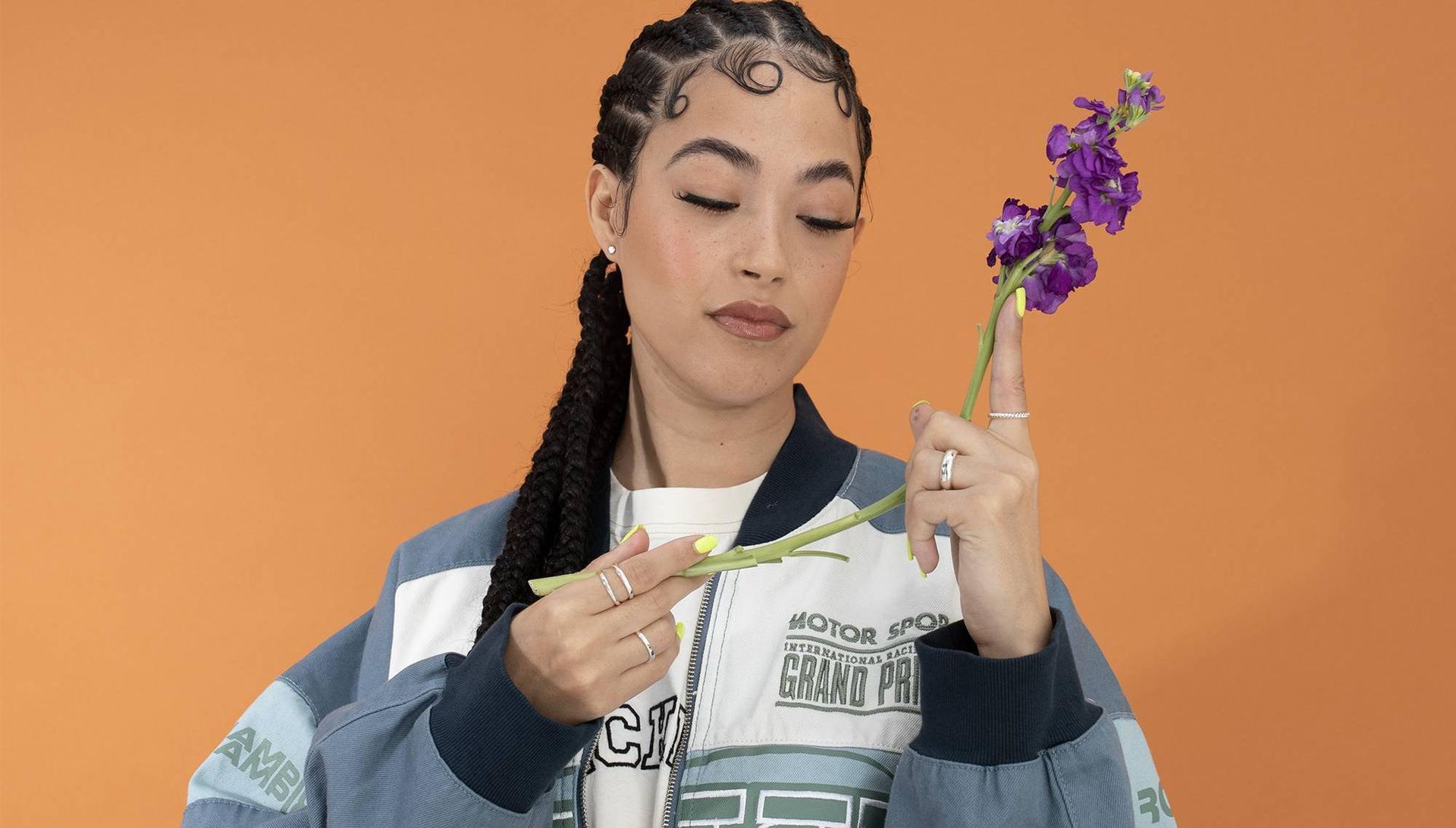
The records that followed Giving Me gradually made the picture clearer.
“Feel It,” “Shooting Star,” “The Heat,” “No Bad Vibes” with KILIMANJARO and later collaborations including “Somedays” with Sonny Fodera and D.O.D showed an artist becoming increasingly comfortable moving between different shades of contemporary house music.
The production can change considerably from track to track, but the personality tends to remain intact.
There is usually an immediate vocal hook, a sense of warmth and enough energy for the record to function in a club without becoming overly aggressive. Even when the sound moves towards a darker or more late-night direction, Jazzy’s voice keeps an identifiable human element at the centre of the production.
Official Charts now credits her with three UK Top 10 singles, while collaborations such as Somedays have extended her visibility well beyond the initial Giving Me moment.
More importantly, Jazzy has gradually stopped feeling like a singer entering electronic music from the outside.
She increasingly sounds like somebody who belongs completely inside the culture.
From Vocalist to DJ
That evolution became even clearer when Jazzy began DJing herself.
This is an important part of the story because it changes the relationship between artist and dancefloor. As a vocalist, you can understand how a record feels to perform; as a DJ, you begin to understand what happens before it arrives, what should follow it and why certain tracks work in a room while others do not.
Jazzy has said that she fell in love with house music while going to clubs as a teenager, but DJing eventually gave that connection a more active role in her own career. Through SoundCloud she started sharing mixes, interacting with listeners and gradually developing GEWAH, initially as a DJ mix series and later as something closer to a creative platform of its own.
The name itself comes from Dublin slang and carries something of the communal energy that surrounds the project.
Rather than creating a completely separate “DJ Jazzy” identity, GEWAH became an extension of what was already happening through her records: a space where club culture, collaborations and Jazzy’s personal taste could sit together without needing to be reduced to individual singles.
GEWAH and Building a World Beyond the Singles
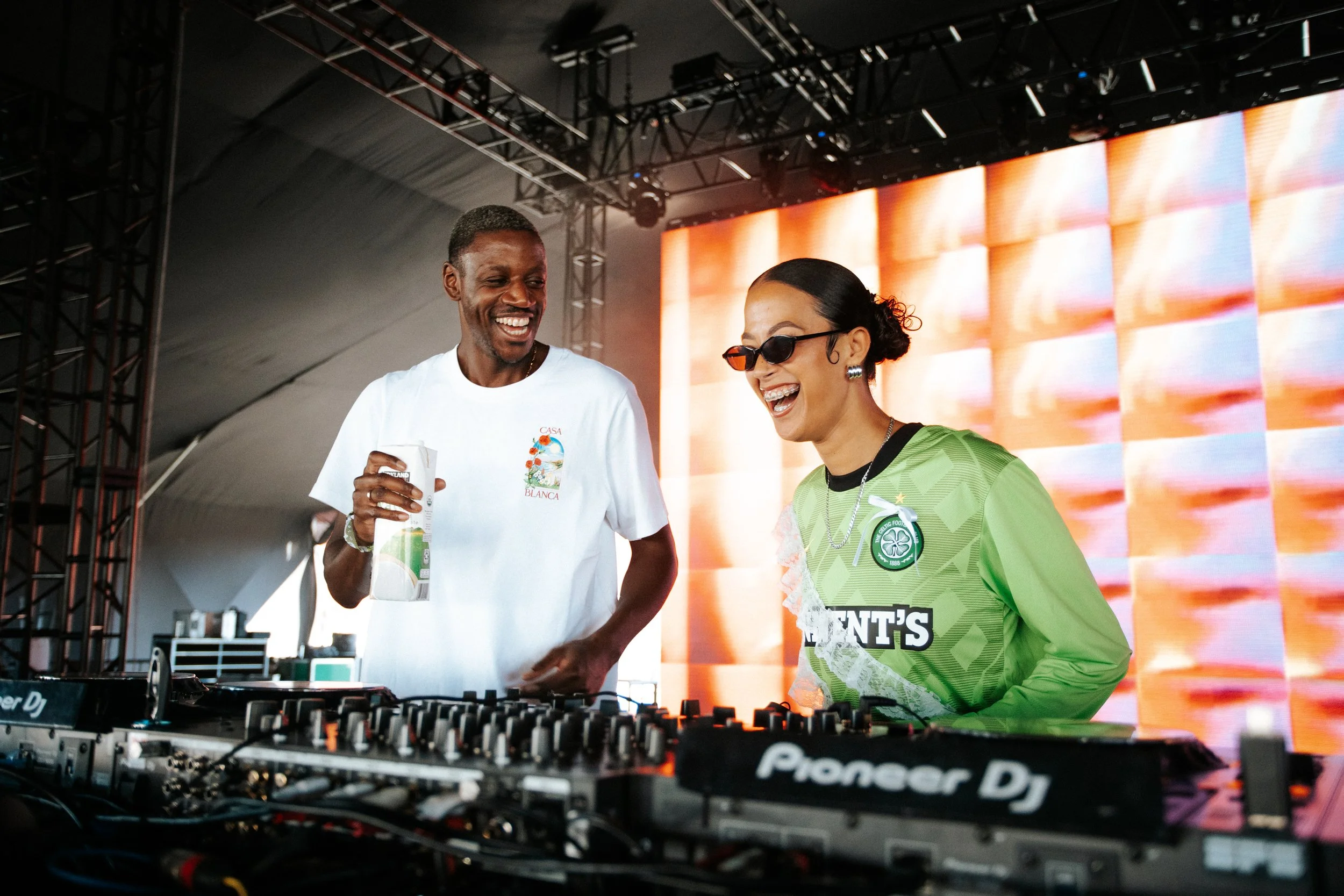
By 2025, GEWAH had expanded from SoundCloud mixes into an international visual DJ series, with sets recorded in cities including Berlin, Toronto and Ibiza. That same year, Jazzy released GEWAH Selects, bringing together original music, collaborations, remixes and tracks chosen around the musical identity she had been developing.
The project matters because it reflects a broader shift in her career.
Until that point, the easiest way to understand Jazzy was through individual songs and chart achievements. GEWAH suggested that she wanted something more durable: a recognisable world around the music, rather than simply a sequence of successful releases.
That is increasingly how modern electronic artists build longevity.
The single can introduce you to an audience, but the community, live identity and musical point of view are what give that audience a reason to stay.
For Jazzy, GEWAH created a bridge between those elements.
It also allowed her to make her Irish identity part of the project without turning it into a marketing device. Dublin remains present in the language, the humour and the energy around the brand, even as the sets themselves travel far beyond Ireland.
From Dublin to Ibiza and the Global Festival Circuit
By 2025, Jazzy’s live career was beginning to reflect the scale of her streaming success.
That summer she joined Sonny Fodera at Pacha Ibiza for her first major residency on the island, performing alongside artists including D.O.D, Armand Van Helden and Dombresky. She had already been visiting and performing in Ibiza for several years, but the residency represented something different: a transition from being invited into the scene to becoming one of the artists expected to help shape the room.
The festival circuit expanded at the same time, with appearances at Glastonbury, Tomorrowland, Electric Picnic, Reading & Leeds and AVA Festival, followed by international touring across North America and beyond.
For somebody whose earliest major success came through a vocal feature, the transformation is striking.
Jazzy is no longer simply arriving on stage to perform the song people recognise.
She can now build the entire journey around it.
Why Jazzy’s Story Matters for Irish Dance Music
Jazzy’s rise has happened during a particularly interesting period for Irish electronic music.
The country has always had an active club culture, but recent years have produced a new wave of Irish artists capable of moving between underground credibility and mainstream visibility without treating those worlds as opposites.
Jazzy is one of the clearest examples of that shift.
Her breakthrough was not built by abandoning house music for pop. Instead, house music became the route into pop culture.
That distinction matters.
When Giving Me reached No. 1 in Ireland, it was not simply another domestic chart success. An Irish dance record by an Irish female solo artist was competing directly with some of the biggest international pop releases on streaming platforms and winning.
The success that followed has made the possibilities wider.
An Irish artist can come from club culture, remain visibly connected to it, DJ, release vocal house records, build a club brand and still move towards major arenas.
Those things no longer need to be separate careers.
Jazzy is increasingly showing what happens when they become one.
Our Final Thoughts
It would be easy to tell Jazzy’s story entirely through milestones.
No. 1 in Ireland. No. 3 in the UK. The first Irish female artist to top Spotify Ireland’s Top 50. Major festival appearances. An Ibiza residency. A debut album. A 3Arena headline show. The numbers create an impressive timeline, but they are not really the most interesting part of it.
What stands out more is how each stage has expanded the definition of what Jazzy is.
She arrived internationally as a vocalist on a Belters Only record, then proved she could carry a solo hit with Giving Me. She moved behind the decks, built GEWAH into a world of its own, entered major clubs and festivals as a DJ and is now preparing to release a full album that brings those different identities together.
Throughout that progression, the central idea has remained surprisingly consistent: the music still needs to work when people are standing in front of a sound system and want to move.
That may be the simplest explanation for why the transition from Dublin clubs to international charts has felt so natural.
Jazzy has learned how to make dance music bigger without removing the dancefloor from it.
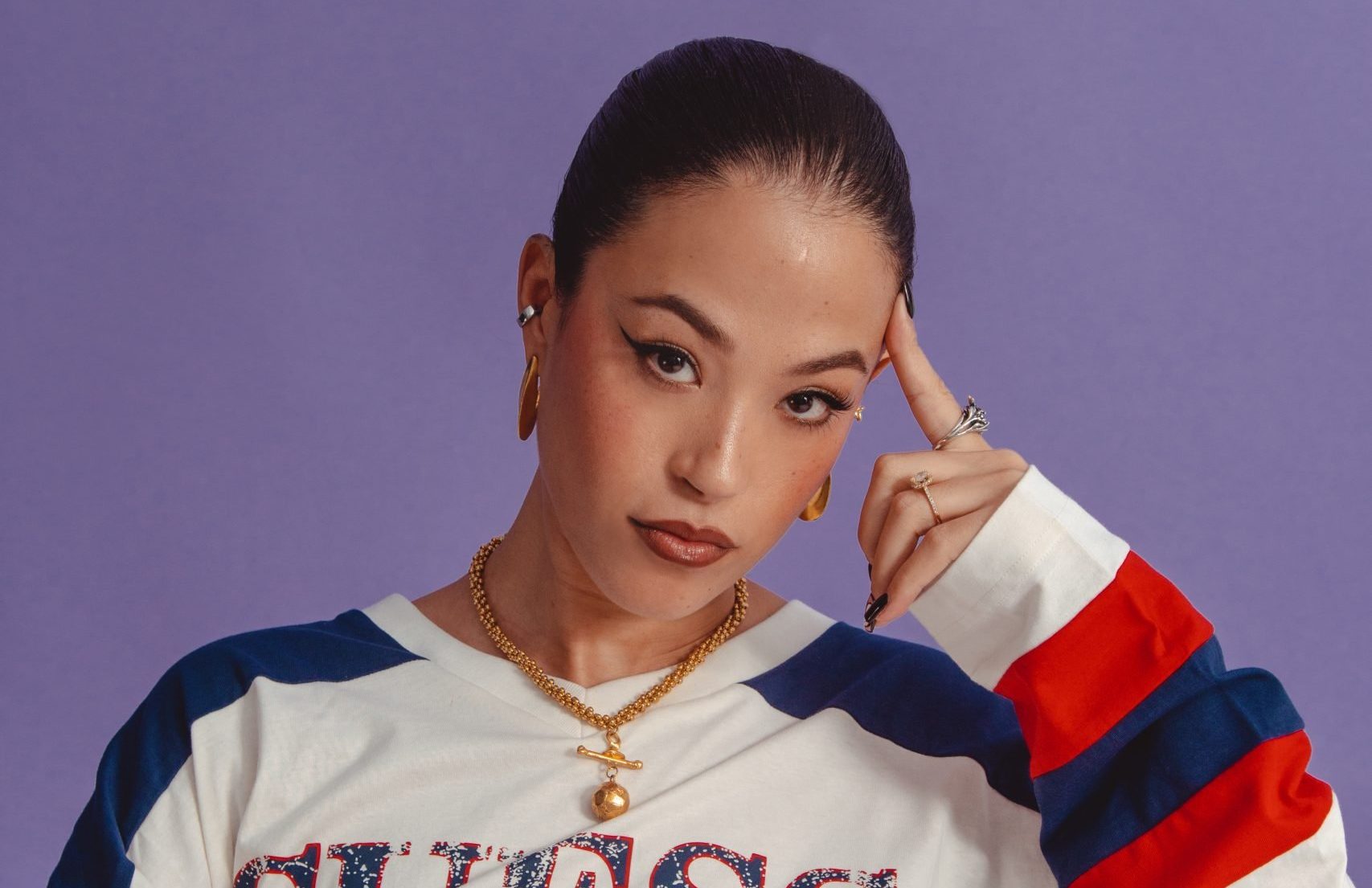
And with Peace & Patience arriving on October 23rd and the biggest hometown show of her career following just one day later, 2026 does not feel like the conclusion of her breakthrough.
It feels much more like the point where the real story begins