
There are artists whose careers become permanently attached to one defining record, and others whose names end up representing an entire period in electronic music. Nicky Romero belongs firmly to the second category.
For anyone who experienced the explosive rise of EDM in the early 2010s, Romero’s music became part of the soundtrack to a moment when progressive house was rapidly escaping the confines of European clubs and moving onto festival mainstages, radio playlists and enormous arenas around the world. His productions carried many of the characteristics that came to define that era — soaring melodies, tightly engineered builds, powerful electro-driven drops and an emotional immediacy designed to work just as effectively through headphones as it did in front of tens of thousands of people.
Yet reducing Nicky Romero’s career to the golden age of festival EDM would overlook much of what has made his trajectory particularly enduring. Behind records such as “Toulouse”, “I Could Be the One”, “Like Home” and “Legacy” is the story of a producer who steadily transformed himself from a young Dutch studio obsessive into a global touring artist, label founder, collaborator and mentor, while later creating Monocule as an outlet for the darker and more underground side of his musical identity.
His career is also a reminder that success in electronic music rarely moves in a straight line. Romero reached international recognition at remarkable speed, but the years that followed forced him to confront the psychological pressure that accompanies constant touring, expectations and creative visibility. Rather than becoming trapped by the sound that initially made him famous, he gradually widened the boundaries of what Nicky Romero could represent, all while maintaining a connection to the melodic, high-impact production style that first established his name.
Long before the festival stages and headline sets, however, the story began much more simply, with a young musician in the Netherlands becoming increasingly fascinated by what happened behind the music he was hearing.
In this article:
- From Drums to the Studio
- “Toulouse” and the Moment Everything Changed
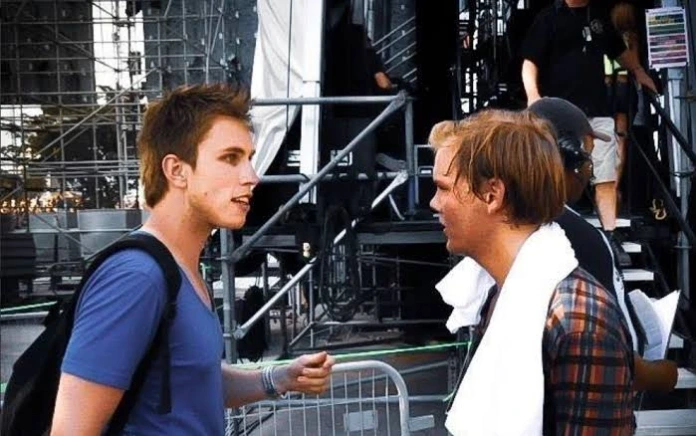
- Avicii, “I Could Be the One” and the Point Where EDM Became Pop
- Protocol Recordings and the Decision to Build Something Larger
- Beyond the Mainstage: The Producer Behind the Artist
- Anxiety, Creative Pressure and the Other Side of Success
- Refusing to Become a Formula
- Monocule and the Darker Side of Nicky Romero
- Still Connected to the Mainstage
- More Than “Toulouse”
From Drums to the Studio
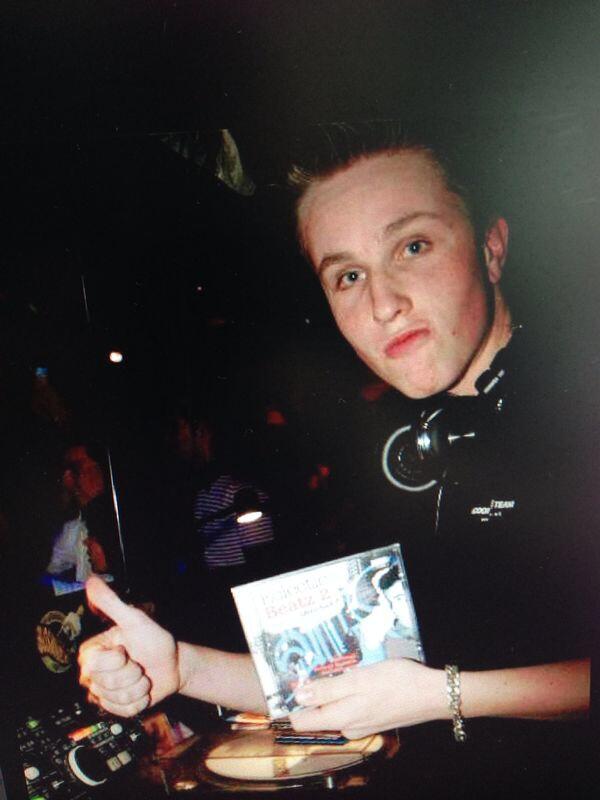
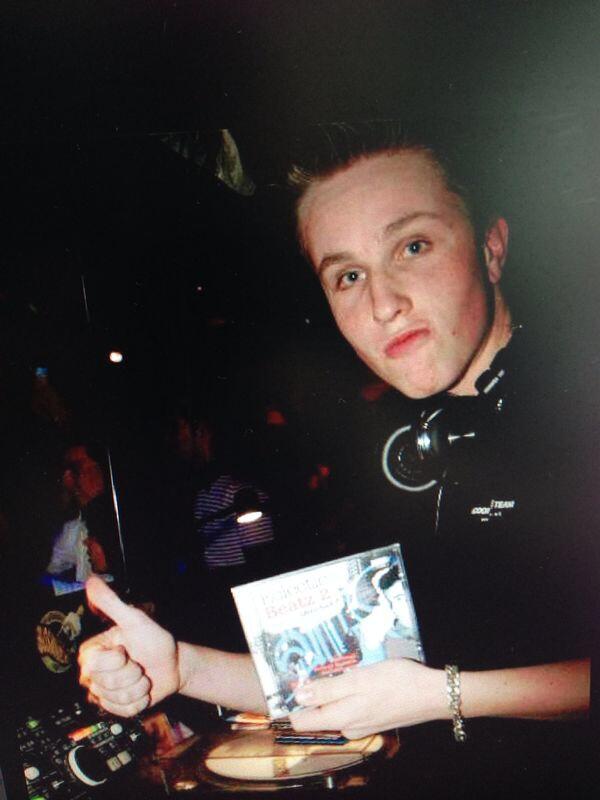
Born Nick Rotteveel on January 6, 1989, in Amerongen, the Netherlands, Romero first approached music through drums before discovering DJing and eventually becoming consumed by production. His earliest years behind the decks included house and R&B, but it was the construction of the records themselves, the arrangement, sound design and interaction between rhythm and melody, that gradually became the real focus.
Like many producers emerging from the Dutch electronic scene at the time, Romero developed his identity by working constantly and releasing music wherever possible. Early productions began appearing through smaller labels before reaching increasingly prominent platforms, including Spinnin’, Toolroom, Flamingo Recordings and Fly Eye, while his sound started moving towards the combination of melodic progressive house and harder electro elements that would later become instantly recognisable.
A decisive early moment arrived through an unofficial remix of David Guetta’s “When Love Takes Over”. The bootleg began circulating online and eventually reached Guetta himself, creating a connection that would become important during Romero’s rise. Guetta became one of his earliest high-profile supporters and, as Romero’s profile grew, the relationship moved beyond simple endorsement into genuine studio collaboration.
For a producer still trying to establish himself internationally, suddenly finding himself working alongside one of the most commercially successful electronic artists in the world represented a significant change in perspective. Romero would later recall the surreal experience of being involved in sessions connected to artists such as Rihanna, but before those collaborations could become meaningful in their own right, he still needed a record capable of defining his own identity.
That record was “Toulouse”.
“Toulouse” and the Moment Everything Changed
When “Toulouse” arrived in 2011, electronic music was already moving towards a much larger cultural moment, but the sound of festival EDM had not yet fully settled into the formula that would dominate the following years. Progressive house, electro and the emerging big-room aesthetic were beginning to collide, while a new generation of European producers were discovering how to create records capable of functioning across both clubs and enormous outdoor stages.
“Toulouse” captured that transition almost perfectly.
Built around one of the most recognisable synth leads of the period, the track combined a sense of tension with a drop that was direct, aggressive and immediately memorable. It did not require a conventional vocal hook because the production itself functioned as the hook, while the Guy Fawkes-mask imagery surrounding the track gave the release an additional visual identity that helped separate it from the increasingly crowded field of festival productions appearing at the time.
The track became a genuine breakthrough, spreading rapidly through DJ sets and establishing Romero as one of the most exciting names emerging from the Netherlands. More importantly, it arrived during a period when electronic dance music was expanding at an extraordinary pace. Swedish House Mafia were transforming progressive house into arena-scale spectacle, Avicii was pushing melody and songwriting towards the centre of dance music, David Guetta was connecting electronic production with global pop, while artists such as Hardwell and Afrojack were developing a heavier Dutch interpretation of festival music.
Romero’s sound sat naturally at the intersection of those worlds. “Toulouse” possessed enough melodic clarity to remain accessible while retaining the weight required for the increasingly enormous stages on which DJs were performing. It became one of the tracks most strongly associated with the period and, in the process, moved Romero from promising producer to internationally recognised artist.
The next step would take him even further beyond the boundaries of the club scene.
Avicii, “I Could Be the One” and the Point Where EDM Became Pop
If “Toulouse” established Nicky Romero as a major figure inside electronic music, “I Could Be the One”, his collaboration with Avicii, demonstrated just how far that sound could travel.
Released at a time when the distance between festival records and mainstream pop was collapsing almost completely, the track brought together two producers whose strengths complemented each other unusually well. Avicii had already shown an exceptional ability to create melodies that felt immediate and emotional without becoming simplistic, while Romero brought a heavier progressive-house structure and the kind of production weight that allowed a melodic record to retain its impact in a festival environment.
The result felt simultaneously like a dance record and a pop song, which was precisely what made it so effective.
“I Could Be the One” became a major international success, reaching No. 1 in the United Kingdom and giving Romero one of the defining crossover moments of his career. At the same time, it became part of a broader shift taking place throughout the industry. By 2013, EDM was no longer simply influencing mainstream culture from the outside. DJs were appearing on major radio stations, electronic producers were working directly with pop stars and tracks originally designed for festival stages were becoming commercial singles in their own right.
Romero was one of the producers positioned directly inside that transformation.
Around the same period, releases such as “Like Home” with NERVO, “Legacy” with Krewella and “Symphonica” continued to expand his profile while reinforcing his ability to move between melodic progressive house and more aggressive festival production. These records established the sound many listeners still instinctively associate with Nicky Romero: emotional chord progressions layered over precise, high-impact production, always designed with the physical scale of the dancefloor in mind.
Yet Romero was already beginning to think beyond his own releases. In 2012, just as his personal career was accelerating, he founded Protocol Recordings, a decision that would prove crucial to his long-term position within electronic music.
Protocol Recordings and the Decision to Build Something Larger
Launching a label at the height of an artist’s rise can appear almost counterintuitive. Touring schedules become increasingly demanding, studio time becomes scarce and the pressure to maintain momentum naturally encourages artists to focus almost entirely on their own careers. Romero chose a different path.
Protocol Recordings allowed him to move from being solely a producer releasing music through established companies to becoming a curator capable of shaping a broader musical environment. Initially closely associated with the progressive and festival-oriented sound that had made Romero famous, the label gradually developed into a wider ecosystem involving releases, radio, events, artist development and showcases linked to major electronic-music gatherings including Amsterdam Dance Event and Miami Music Week.
The significance of Protocol lies not only in its catalogue but in the role it allowed Romero to assume. Rather than treating the label purely as a vehicle for his own records, he increasingly used it as a platform for emerging producers and artists who shared a similar approach to electronic music. Over the years, the Protocol network would involve names ranging from established international figures to younger producers still developing their identities, while the launch of Protocol Lab later created additional space for sounds that did not necessarily fit the label’s original progressive-house framework.
That ability to build infrastructure around a career rather than simply extending the career itself proved increasingly valuable as electronic music began to change.
The festival EDM explosion of the early 2010s was never going to remain dominant forever. As audiences moved towards different forms of house, techno, melodic dance music and underground club culture, many producers strongly associated with the big-room era found themselves forced to reconsider their musical identities. Romero, however, had already created a platform capable of evolving alongside those changes.
Protocol became part of his identity just as much as the records themselves.
Beyond the Mainstage: The Producer Behind the Artist
Romero’s public image was largely built around festival performances, but some of the most important developments in his career took place away from the stage.
As EDM moved deeper into mainstream pop during the first half of the 2010s, Romero became increasingly involved in projects outside his own discography, including production work connected to artists such as Rihanna and Britney Spears. His collaborations with David Guetta in particular demonstrated how quickly the distinction between dance producers and pop producers was disappearing.
For Romero, the progression was striking. The young Dutch producer whose bootleg had once attracted Guetta’s attention was suddenly working inside the same studio environments occupied by some of the biggest artists in the world. It was a reflection not only of his own rise, but also of the new influence electronic producers had begun to exert across the wider music industry.
From the outside, Romero’s career during this period appeared almost impossibly successful. International touring, major collaborations, chart records and an expanding label suggested a trajectory that was moving continuously upwards.
Behind that momentum, however, the pressure was becoming increasingly difficult to manage.
Anxiety, Creative Pressure and the Other Side of Success
In 2015, Romero spoke openly about experiencing severe anxiety and the effect it had begun having on his ability to produce music.
It was a revealing admission at a time when conversations around mental health were still far less visible within electronic music than they are today. Romero explained that anxiety had started draining the creativity that had always formed the centre of his relationship with music, turning studio sessions into situations dominated by pressure rather than experimentation. At certain moments, the experience became intense enough for him to consider the possibility of stepping away from music entirely.
The distinction he made was important. His doubts were not rooted in a loss of passion for music itself, but in the psychological pressure surrounding the process of creating it. When expectations become tied to success on that scale, the studio can stop feeling like the place where ideas are explored and start feeling like another environment in which performance is constantly being measured.
Romero also described the difficulty of entering collaborative sessions while feeling unable to work at the level expected of him, and the frustration that arose when other people did not necessarily understand what was happening. Among the artists he credited with supporting him during that period was David Guetta, whose role in Romero’s career had by then developed far beyond the early endorsement that first connected them.
Seen in the broader context of the EDM boom, Romero’s experience also exposed the less visible consequences of an industry operating at extraordinary speed.
The early 2010s created global careers almost overnight. Producers who had previously spent most of their time working alone in studios suddenly found themselves moving continuously between international flights, festival sets, promotional appearances, interviews and collaborative sessions. The mythology surrounding DJ culture celebrated that acceleration, but rarely addressed the psychological cost of maintaining it.
Romero’s willingness to speak publicly about anxiety therefore became one of the more revealing moments of his career, because it showed that the scale of external success did not necessarily correspond with creative stability.
The years that followed increasingly became about finding ways to evolve without remaining trapped by the expectations created during his breakthrough.
Refusing to Become a Formula
One of the most difficult challenges for any producer who becomes closely associated with a specific era is learning how to move forward without rejecting the sound that created the original connection with listeners.
For Romero, progressive house remained a fundamental part of his musical identity, but repeating the structure of “Toulouse” or “I Could Be the One” indefinitely would eventually have transformed a signature into a limitation. As electronic music fragmented into increasingly diverse scenes during the second half of the 2010s, his productions gradually began moving across dance-pop, deeper house, harder festival records and more contemporary forms of progressive electronic music.
The evolution was rarely presented as a dramatic reinvention. Instead, Romero seemed to treat his established sound as a foundation that could be expanded rather than abandoned.
That distinction has helped give his career unusual longevity.
Where some producers from the same generation eventually became strongly dependent on nostalgia for the EDM boom, Romero continued releasing music designed for current dancefloors while still acknowledging the melodic approach that built his reputation. His work remained recognisably connected to the emotional scale of progressive house, but the production surrounding those ideas became increasingly flexible.
Eventually, however, certain ideas required an entirely separate identity, that identity became Monocule.
Monocule and the Darker Side of Nicky Romero
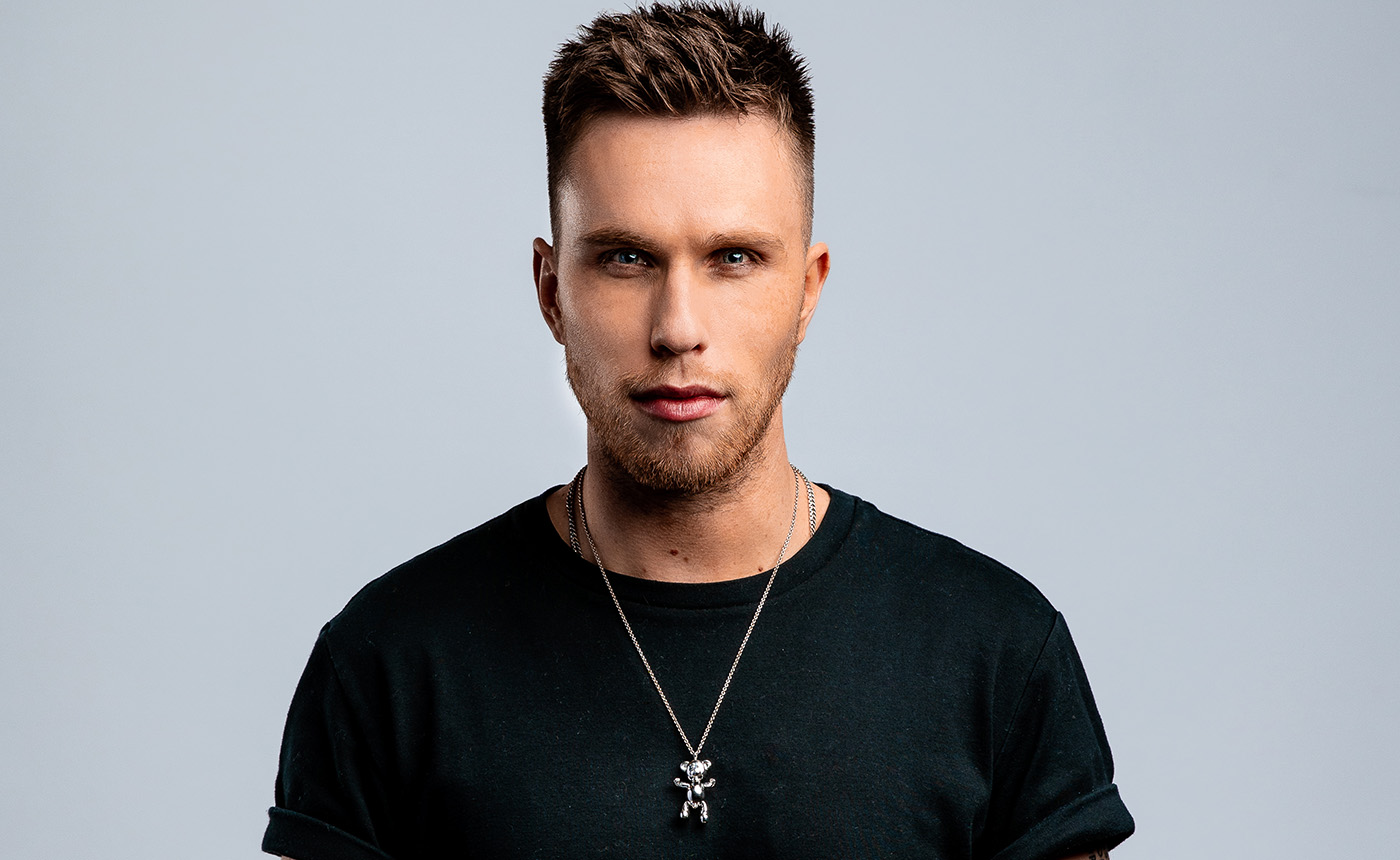
When Romero introduced Monocule in 2020, the project immediately suggested that there were parts of his musical taste that had never comfortably belonged under the Nicky Romero name.
The Monocule project moved away from the enormous drops and euphoric chord progressions associated with his mainstage identity, leaning instead towards deeper basslines, darker atmospheres, restrained arrangements and a more underground club aesthetic. Rather than forcing those ideas into an existing brand, Romero created a parallel space where they could develop without carrying the expectations attached to more than a decade of festival success.
The first Monocule releases revealed a producer interested in tension rather than immediate release, using atmosphere and groove where Nicky Romero productions might traditionally have relied on scale and melodic payoff.
What initially appeared to be a studio experiment gradually developed into a genuine second artistic identity. Tracks such as “Stargazing”, “Fine Day” and “You Don’t Know” expanded the project’s vocabulary, while Monocule eventually moved beyond releases and into dedicated live performances.
The significance of the alias goes beyond its darker production style. It demonstrates Romero’s recognition that longevity in electronic music sometimes requires separating different creative instincts rather than forcing them to coexist under one increasingly overloaded name.
Nicky Romero could remain connected to the melodic progressive-house heritage that defined his career, while Monocule could explore the club-focused territory sitting outside that history.
One identity carried the legacy. The other created space for experimentation.
Still Connected to the Mainstage
More than a decade after his breakthrough, Romero remains deeply connected to the festival circuit that originally established his international reputation.
Appearances at events such as Tomorrowland, Ultra and other major electronic festivals continue to place him in front of the enormous crowds associated with the original EDM era, but the context surrounding those performances has changed significantly. Romero is no longer simply one of the young producers competing to define the next festival sound. He is now part of the generation whose records helped create the language modern festival dance music still uses.
At the same time, Protocol continues developing new releases and artists, while Monocule offers another route through which Romero can engage with contemporary club music. New collaborations have also allowed him to move between generations and scenes rather than functioning purely as a representative of a previous era.
That combination may be the clearest explanation for his longevity.
The early records still matter enormously, but they no longer need to carry the entire weight of his career.
More Than “Toulouse”
The simplest way to explain Nicky Romero’s importance would still be to play the opening moments of “Toulouse”.
For an entire generation of electronic music fans, recognition would be immediate.
But his story becomes far more interesting when viewed beyond that synth line.
Romero emerged during one of the most transformative moments electronic music has experienced, when club producers became global headline artists, progressive house became arena music and DJ culture moved decisively into mainstream pop. He participated in almost every dimension of that transformation, from festival records and chart singles to pop production, label development and international touring.
He collaborated with Avicii during the period when melodic dance music was reaching its widest audience, worked closely with David Guetta as electronic production became increasingly central to pop, founded Protocol Recordings while his own career was still accelerating, and later used Monocule to investigate a very different side of the electronic spectrum.
Perhaps more importantly, he also lived through the pressures created by that success and was willing to speak openly about moments when the machinery surrounding the career threatened the creativity at its centre.
That is what makes Nicky Romero’s trajectory more compelling than a simple story about one producer surviving beyond the EDM boom.
His career is really about adaptation.
The records that made him famous belong unmistakably to a specific moment in electronic music history, but Romero never allowed that moment to become the only version of himself that could exist.
“Toulouse” helped put him on the mainstage. “I Could Be the One” showed how completely dance music could cross into global pop. Protocol turned an individual career into a platform capable of supporting other artists, while Monocule created an escape from the expectations attached to his own name.
More than fifteen years after the first breakthrough, Nicky Romero remains closely associated with the euphoric progressive-house sound that helped transform EDM into a global phenomenon, but the real reason his story continues is considerably more complex.
The mainstage made him famous.
Learning how to evolve beyond it is what kept him relevant.