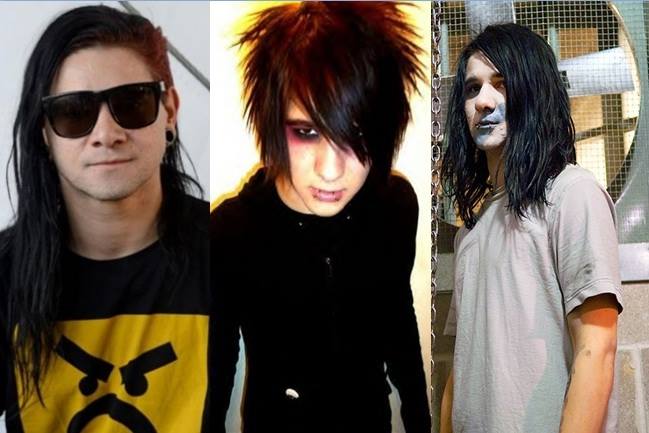
Before becoming one of the most influential figures in electronic music, Skrillex was simply Sonny Moore, a teenager deeply immersed in the American post-hardcore scene, performing with a microphone in his hand rather than standing behind a DJ booth. His journey from fronting the band From First to Last to becoming a nine-time Grammy Award winner represents one of the most extraordinary transformations in modern music, driven by creative experimentation, personal challenges and an instinctive ability to recognize new musical possibilities.
When Skrillex emerged as a solo electronic artist in 2010, his aggressive basslines, distorted synthesizers and unpredictable arrangements challenged conventional expectations of dance music. His productions helped bring a louder and more explosive interpretation of dubstep to mainstream audiences, influencing an entire generation of producers and reshaping the sound of electronic festivals around the world.
Yet reducing Skrillex to the dubstep explosion would overlook the most fascinating aspect of his career. From the emotional intensity of his early rock performances to the genre-blending experimentation of his recent productions, Sonny Moore has consistently refused to let a single musical identity define him.
His story is not simply about the rise of a successful DJ, but about an artist who repeatedly reinvented himself, transforming both his own sound and the electronic music landscape around him.
In This Article
The childhood and musical influences of Sonny Moore
From First to Last: the unexpected beginning
Leaving rock behind and discovering electronic production
Scary Monsters and Nice Sprites: the record that changed everything
Bangarang, the Grammy Awards and the global EDM explosion
Jack Ü, Justin Bieber and the crossover into mainstream pop
Beyond dubstep: collaborations and creative evolution
Quest for Fire and the remarkable comeback of 2023
A new chapter: artistic freedom and the 2025–2026 releases
Why Skrillex remains one of electronic music's most influential figures
Sonny Moore: A Childhood Between Rock Music and Electronic Experimentation
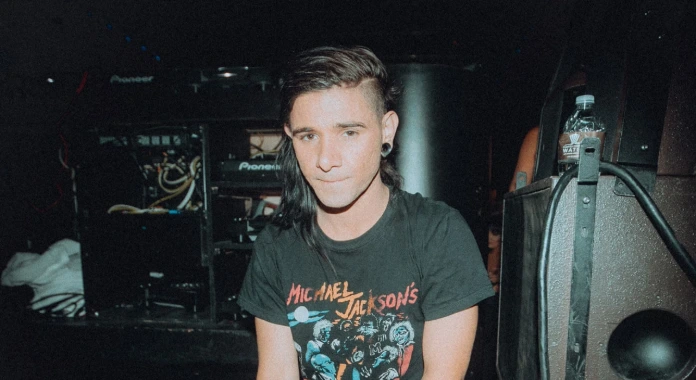
Born on January 15, 1988, in Los Angeles, California, Sonny John Moore grew up between Los Angeles and San Francisco, developing a fascination with music long before electronic production became his primary creative language. His early influences were remarkably diverse, ranging from punk rock and alternative music to experimental electronic artists such as Aphex Twin and Squarepusher, whose unconventional approach to rhythm and sound design would later resonate with his own productions.
As a teenager, Moore became involved in Southern California's alternative music scene, where underground concerts, independent bands and youth subcultures provided a creative environment far removed from the traditional music industry. Alongside his passion for guitar-driven music, he began experimenting with digital production software, discovering how computers and electronic instruments could transform unusual sounds into original compositions.
His adolescence also brought important personal discoveries, including learning at sixteen that he had been adopted. Although these experiences formed part of his personal development, music increasingly became the central element through which he expressed himself and connected with others.
What distinguished Moore from many aspiring musicians of his generation was his willingness to explore different musical worlds simultaneously. While rock provided his first real opportunity to perform before an audience, electronic music offered an almost limitless creative space, where traditional instruments, fixed arrangements and established genre boundaries no longer represented restrictions.
That openness to experimentation would eventually become the defining characteristic of Skrillex's entire career.
From First to Last: The Unexpected Beginning of a Future Electronic Icon
Long before millions of listeners associated his name with dubstep, Sonny Moore was the unmistakable voice of From First to Last, an American post-hardcore band whose emotional intensity, theatrical performances and explosive energy reflected the alternative music culture of the mid-2000s.
In 2004, at just sixteen years old, Moore joined the group after initially approaching its members about playing guitar. His vocal abilities quickly became apparent, and he eventually took on the role of lead singer, bringing a distinctive combination of vulnerability, aggression and youthful energy to the band's sound.
With Moore as frontman, From First to Last released Dear Diary, My Teen Angst Has a Body Count (2004), followed by Heroine (2006). Both records helped establish the group within the growing post-hardcore and emo scene, attracting an audience drawn to their emotionally charged songwriting, aggressive instrumentation and powerful live performances.
Touring became a major part of Moore's teenage years, allowing him to gain valuable experience on stage while also exposing him to the pressures of professional music. However, the demanding schedule placed considerable strain on his voice, eventually contributing to serious vocal problems that threatened his ability to continue performing.
In 2007, Moore officially left From First to Last, bringing an important chapter of his early career to an end. At the time, the departure appeared to represent a difficult turning point for a young musician who had already achieved recognition within the alternative rock scene.
In retrospect, however, it became the beginning of something far more significant.
The future architect of one of electronic music's most recognizable sounds was about to reinvent himself from the beginning.
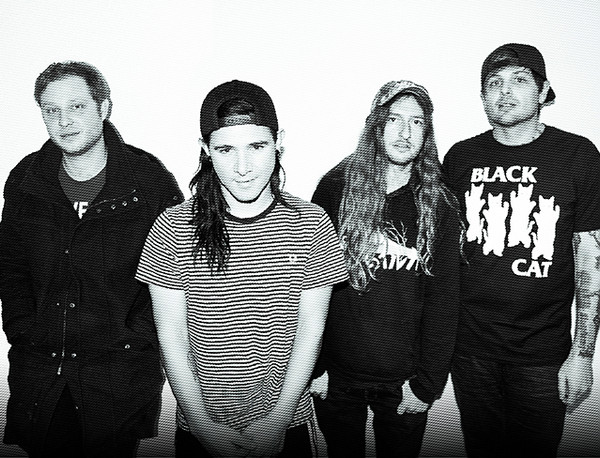
Leaving Rock Behind: The Birth of Skrillex
After leaving From First to Last, Moore initially continued recording and performing under his own name, exploring a mixture of electronic elements, alternative rock and pop-oriented songwriting. His 2009 release Gypsyhook reflected this transitional period, revealing an artist increasingly interested in combining different musical influences rather than remaining confined to the sound that had first brought him recognition.
At the same time, electronic music was becoming central to his creative process. Inspired partly by the experience of seeing Daft Punk perform live in 2007, Moore began investing more seriously in production software, synthesizers and digital sound design, discovering a musical environment in which he could independently control almost every aspect of a composition.
The change was fundamental. Instead of relying on a traditional band structure, he could now manipulate drums, melodies, distorted frequencies and vocal samples until they formed something entirely new. His background in rock remained an important influence, particularly in the intensity and dramatic contrasts that would later characterize his electronic productions.
By 2010, he had adopted the name Skrillex, derived from an earlier nickname, and released the EP My Name Is Skrillex as a free download through MySpace.
The project introduced listeners to an unpredictable combination of electro house, aggressive bass music and the restless energy that had defined his earlier performances. It also arrived at a moment when online music communities were transforming the industry, allowing independent producers to reach international audiences without depending entirely on traditional record labels or radio promotion.
Skrillex was not simply changing genres. He was creating a new musical identity, built around the freedom to experiment without restrictions.
Scary Monsters and Nice Sprites: The Record That Changed Everything
The decisive turning point arrived in October 2010 with the release of Scary Monsters and Nice Sprites, the EP that transformed Skrillex from an emerging electronic producer into one of the most recognizable figures in the rapidly expanding American bass music scene.
At a time when dubstep was becoming increasingly visible outside its British underground origins, Skrillex introduced an exceptionally aggressive approach to sound design. His productions combined heavily distorted bass movements, sharp rhythmic transitions, dramatic buildups and unexpected melodic passages, creating tracks that felt equally connected to electronic music and the intensity of heavy rock.
The EP's title track became its defining moment. Built around an unforgettable vocal sample and a dramatic contrast between melodic passages and explosive bass drops, Scary Monsters and Nice Sprites quickly spread through online communities, gaming videos, digital platforms and festival DJ sets.
For many listeners, it represented their first encounter with a heavier interpretation of dubstep. Although the genre had already developed a rich history within London's underground music culture, Skrillex helped popularize a particularly abrasive American variation that would later become closely associated with the term brostep.
His success was immediate, although not without controversy. Some longtime dubstep listeners criticized the commercialization and transformation of the genre, arguing that its original emphasis on space, atmosphere and sub-bass had been replaced by aggressive drops and increasingly spectacular production techniques. Others recognized that Skrillex was introducing electronic sound design to audiences who might never otherwise have discovered bass music.
Regardless of the debate, the influence of Scary Monsters and Nice Sprites was impossible to ignore. The record became a defining release of its era, encouraging a new generation of producers to experiment with distorted bass sounds and dramatically changing expectations surrounding electronic festival performances.
More importantly, it demonstrated Skrillex's ability to combine technical experimentation with an instinctive understanding of what makes music physically exciting.
An entirely new generation was discovering electronic music through the sound of Sonny Moore.
Bangarang, Grammy Awards and the Global EDM Explosion
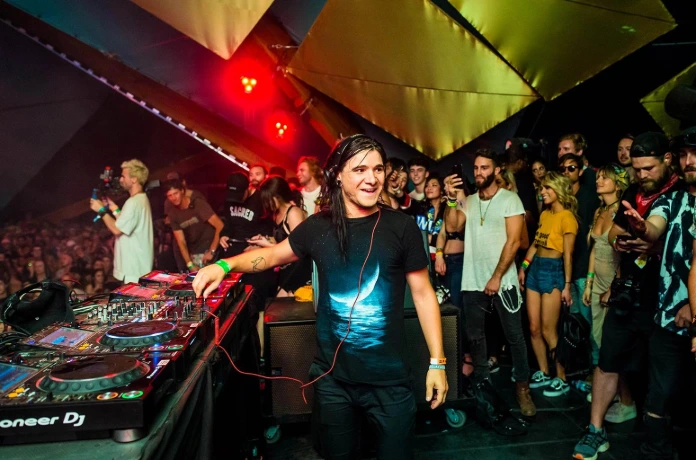
By 2011, Skrillex had become one of the defining names of the rapidly expanding electronic dance music movement in the United States. His productions were reaching audiences through social networks, streaming platforms and increasingly ambitious festival performances, while his distinctive appearance and explosive stage presence made him immediately recognizable.
The release of Bangarang in December 2011 reinforced his position at the center of that movement. Tracks such as Bangarang, Kyoto and The Devil's Den expanded his creative vocabulary, combining aggressive bass arrangements with influences from electro house, hip-hop and experimental electronic music.
What made Skrillex particularly important during this period was not simply the intensity of his sound, but the remarkable attention to detail contained within his productions. Distorted synthesizers, chopped vocal samples and unpredictable rhythmic interruptions were carefully arranged to create tension, movement and surprise, transforming individual tracks into experiences designed to provoke an immediate reaction.
In February 2012, his breakthrough received major industry recognition when he won three Grammy Awards, including Best Dance Recording and Best Dance/Electronica Album for Scary Monsters and Nice Sprites, alongside Best Remixed Recording for his remix of Benny Benassi's Cinema.
Three additional Grammy wins followed in 2013, confirming his position as one of the most influential figures in contemporary electronic music.
His impact extended well beyond his own releases. A generation of producers began experimenting with increasingly aggressive sound design, while major electronic festivals embraced the spectacular energy of bass-driven performances. During this period, Skrillex helped redefine what electronic dance music could sound like, contributing to the international popularity of a movement that would dominate much of the decade.
Nevertheless, even as his signature sound became a recognizable part of mainstream EDM culture, Moore was already beginning to explore musical territories beyond the style that had made him famous.
Jack Ü, Justin Bieber and the Moment Electronic Music Crossed Into Pop
While Skrillex had already established himself as a defining figure in electronic music, his collaboration with Diplo marked another significant turning point. Together, the two producers formed Jack Ü, a project that brought their experimental instincts into contact with an increasingly accessible approach to dance music, creating a connection between underground electronic production and international pop culture.
In February 2015, the duo released Skrillex and Diplo Present Jack Ü, an album combining elements of trap, dancehall, bass music and contemporary pop. Its most important single, Where Are Ü Now, featured Justin Bieber and became one of the defining electronic crossover records of the decade.
Rather than relying on the aggressive drops associated with Skrillex's earlier productions, the track explored a more restrained and atmospheric style, incorporating fragmented vocal melodies, unusual rhythmic textures and a distinctive manipulated vocal hook. The result demonstrated that electronic experimentation could coexist with mainstream songwriting without sacrificing originality.
The collaboration also helped reshape perceptions of both Skrillex and Bieber, revealing new creative possibilities for artists working across traditionally separate musical genres.
At the 2016 Grammy Awards, Jack Ü won Best Dance Recording for Where Are Ü Now and Best Dance/Electronic Album for their collaborative record, bringing Skrillex's total to eight Grammy Awards at that stage of his career.
More importantly, the project expanded his influence across the international music industry. Skrillex was no longer simply a pioneer of aggressive bass music; he had become a producer capable of influencing the broader direction of contemporary pop.
Beyond Dubstep: A Producer Who Refused to Follow One Formula
Throughout the second half of the 2010s, Skrillex increasingly moved away from the expectation that every release should reproduce the sound that had made him internationally famous. Instead, he pursued collaborations across hip-hop, pop, rock and experimental electronic music, gradually establishing himself as an artist whose identity was defined by versatility rather than loyalty to a single genre.
His work with artists such as Rick Ross, Justin Bieber and Boys Noize revealed different aspects of his production style, while projects including Dog Blood, his collaboration with Boys Noize, provided an opportunity to explore darker and more club-oriented electronic sounds.
The release of Purple Lamborghini with Rick Ross in 2016 demonstrated his ability to combine cinematic bass production with hip-hop, while other collaborations revealed a growing interest in rhythmic minimalism, vocal manipulation and unconventional arrangements.
Compared with the explosive success of his earlier releases, this period may have appeared quieter to listeners expecting another Bangarang. In reality, it represented a crucial stage in his artistic development, as Skrillex continued refining his approach to production while collaborating with an increasingly diverse range of musicians.
Rather than following the commercial trends he had helped establish, Moore appeared more interested in understanding how different musical cultures could interact with one another. His productions became less dependent on recognizable formulas, incorporating influences ranging from UK garage and house to experimental bass music and contemporary pop.
The artist who had helped define the sound of an entire EDM generation was now searching for something beyond it.
That willingness to evolve would prove particularly important when Skrillex returned to the spotlight in 2023.
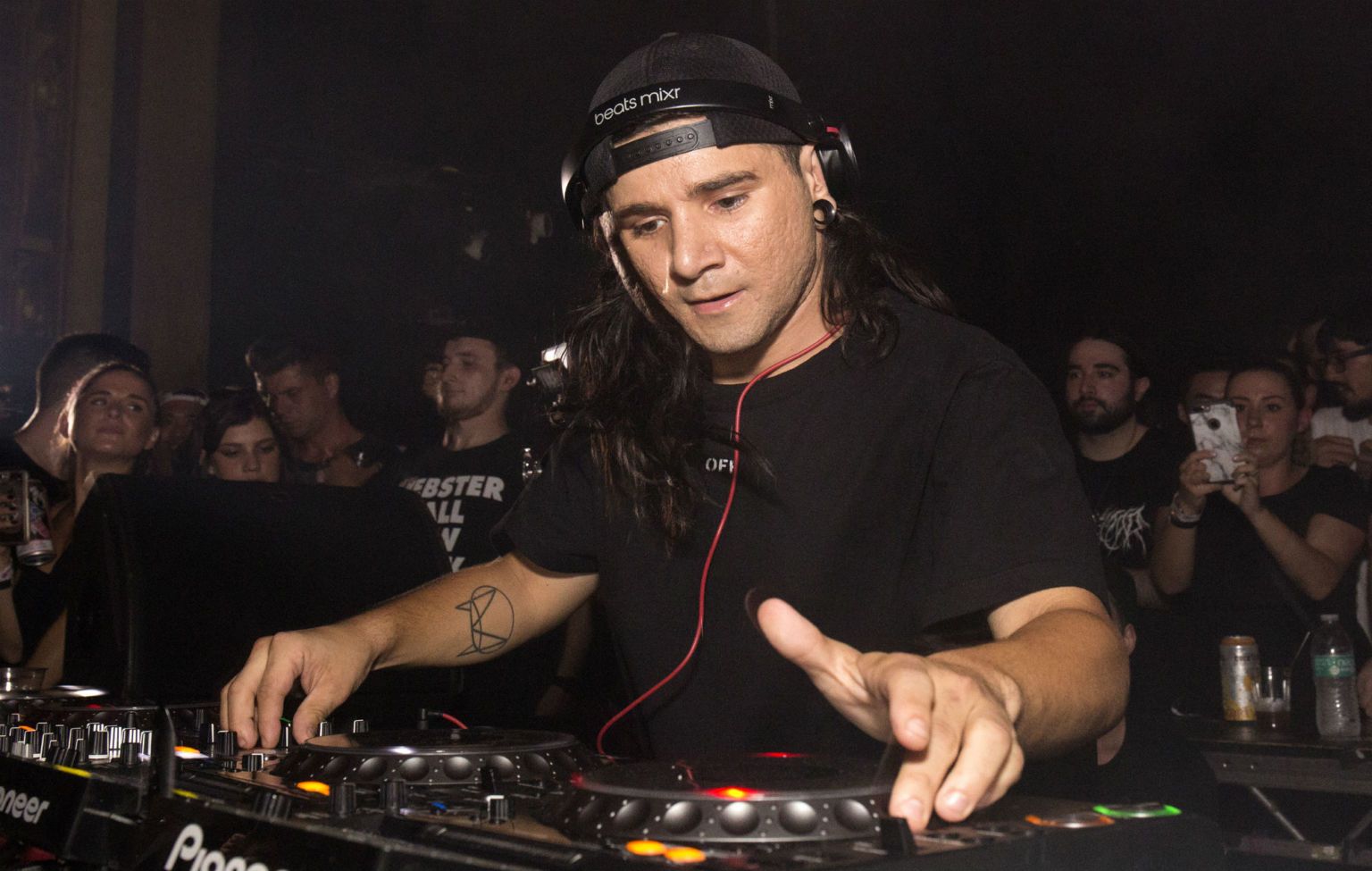
Quest for Fire: The Return That Reminded Everyone Who Skrillex Was
After nearly nine years without a full-length solo studio album, Skrillex made a remarkable return in February 2023, releasing two albums within two days: Quest for Fire and Don't Get Too Close.
The projects presented two complementary sides of his musical personality. While Quest for Fire explored club-oriented electronic music through bass, garage, house and experimental production, Don't Get Too Close offered a more melodic and personal approach, incorporating pop influences and an extensive range of vocal collaborations.
Songs such as Rumble, created with Fred again.. and Flowdan, demonstrated how effectively Skrillex could reinterpret contemporary club sounds without relying on nostalgia. Built around a commanding vocal performance, minimal rhythmic elements and enormous low-end pressure, the track quickly became one of the most recognizable electronic releases of the year.
His growing creative relationship with Fred again.. and Four Tet also resulted in a series of widely discussed performances, including their celebrated February 2023 show at Madison Square Garden in New York.
The renewed attention surrounding Skrillex was significant because it did not depend entirely on his earlier reputation. Younger listeners were discovering an artist whose current productions connected directly with the evolving sounds of underground dance music, while longtime fans witnessed a musician who had successfully reimagined his position within the industry.
In 2024, Rumble earned Skrillex his ninth Grammy Award, winning Best Dance/Electronic Recording and reinforcing the significance of his artistic return.
More than a conventional comeback, Quest for Fire represented the beginning of another creative chapter, proving that Skrillex could remain relevant and influential without attempting to recreate the formula behind his earlier success.
A New Chapter: Artistic Freedom and the Music of 2025–2026
If 2023 marked Skrillex's return to prominence, the following years demonstrated just how far he was willing to push his artistic independence.
On April 1, 2025, he unexpectedly released "FCK U SKRILLEX YOU THINK UR ANDY WARHOL BUT UR NOT!! <3", a sprawling 34-track project presented as a continuous and rapidly shifting musical experience. The album moved through dubstep, drum and bass, experimental electronics and fragments of previously unreleased material, bringing together different periods of his career within a single unconventional release.
The project also marked the end of his long-standing recording relationship with Atlantic Records, making its deliberately provocative title closely connected to a larger moment of professional transition.
Rather than presenting a carefully controlled collection of traditional singles, Skrillex embraced unpredictability, allowing abrupt transitions, distorted textures and stylistic contrasts to become fundamental parts of the listening experience.
The record suggested an artist increasingly interested in creative freedom rather than commercial expectations, someone prepared to challenge the conventions of the industry even after achieving considerable international success.
That direction continued in June 2026 with the surprise release of SOMA, a 13-track album that further expanded his musical vocabulary. Drawing inspiration from Brazilian funk, techno, jungle, Miami bass and other international club influences, the project reflected an increasingly global approach to electronic production.
Collaborations with artists including Blawan, RHR and Tracey highlighted his interest in working across different musical communities, while tracks such as Pente Rala demonstrated his fascination with the rhythmic complexity of Brazilian dance music.
The importance of this latest phase lies not simply in the number of releases, but in the way Skrillex continues to challenge expectations surrounding his artistic identity. Having already contributed to the mainstream acceptance of bass music, he now appears increasingly focused on exploring what electronic music can become when stylistic boundaries are treated as possibilities rather than restrictions.
For Sonny Moore, reinvention has never been a temporary phase. It has become an essential part of his creative philosophy.
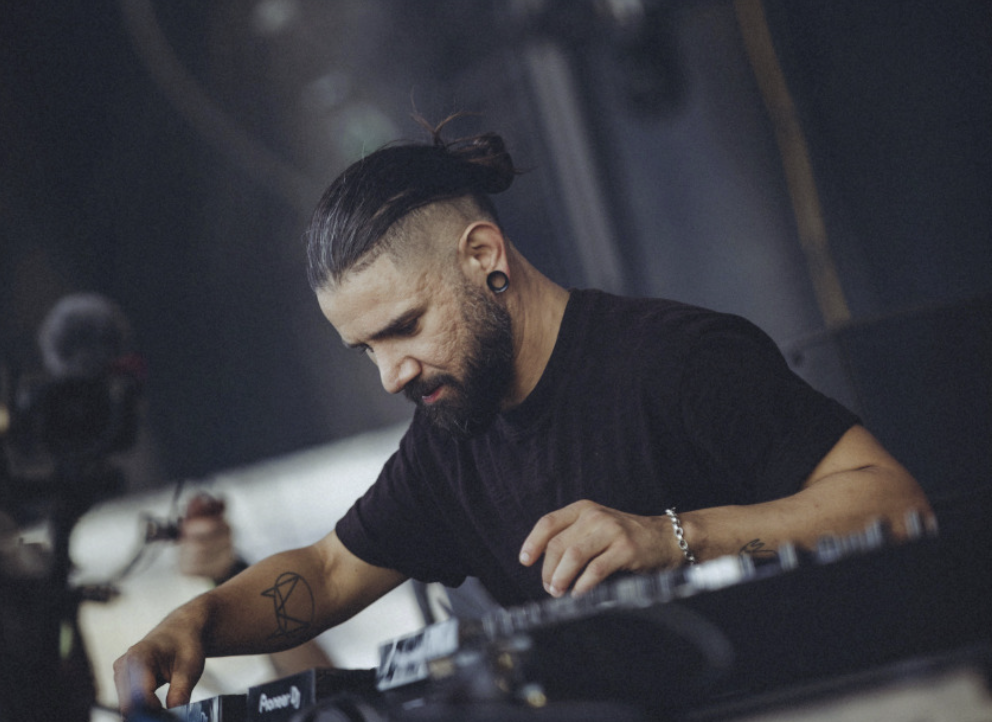
Why Skrillex Remains One of Electronic Music's Most Influential Figures
Few producers have experienced the kind of transformation that defines Skrillex's career. From performing in small venues as a teenage post-hardcore singer to influencing the sound of international electronic festivals, Sonny Moore has repeatedly demonstrated an unusual ability to reinvent his musical identity without abandoning the influences that shaped him.
His impact can be understood on several levels. As a producer, he helped popularize a more aggressive and technically elaborate approach to bass music, introducing new audiences to electronic sound design and encouraging countless young musicians to experiment with digital production. As a collaborator, he demonstrated how electronic music could move between underground clubs, rock, hip-hop and mainstream pop without necessarily losing its experimental character.
Yet perhaps his most important contribution has been the idea that electronic music should never remain static.
Throughout his career, Skrillex has consistently challenged the expectations surrounding his sound, occasionally disappointing listeners who wanted him to repeat previous successes, but continuing to search for new ways of combining rhythms, textures and musical cultures.
His legacy is therefore about more than the rise of dubstep or the commercial success of individual records. It is also about the creative freedom to abandon an established formula and the confidence to rebuild an artistic identity when the music demands it.
From the early days of From First to Last to the international electronic scene, Skrillex has helped demonstrate that experimentation and accessibility do not necessarily have to exist in opposition.
Instead, his career suggests that some of the most important developments in music occur when artists are willing to challenge established expectations.
Final Thoughts: The Artist Who Never Stopped Reinventing Himself
The story of Skrillex is ultimately one of transformation, experimentation and artistic independence. Sonny Moore began his career in a musical world defined by distorted guitars, emotional vocals and the intensity of the American alternative scene, yet he went on to become one of the producers most closely associated with the globalization of electronic dance music.
From Scary Monsters and Nice Sprites to Bangarang, from Jack Ü to Quest for Fire and SOMA, each chapter of his career has revealed a different approach to production, collaboration and artistic expression.
What makes his journey particularly compelling is that his success has never depended entirely on remaining faithful to the sound that first made him famous. Instead, Skrillex has continued exploring new musical territories, allowing his influences to evolve alongside the wider electronic landscape.
Skrillex did more than help change the sound of electronic music. He demonstrated that an artist's greatest strength can be the willingness to change with it.
And more than fifteen years after the release that introduced him to a global audience, Sonny Moore's story is still being written.