Amsterdam Dance Event 2026 is not just another festival on the electronic music calendar. It is the week when Amsterdam becomes the center of the global dance music industry, bringing together artists, labels, promoters, managers, producers, fans, journalists and music professionals from all over the world.
From October 21 to October 25, ADE returns for its 30th anniversary edition, turning the city into a full electronic music ecosystem made of conferences, club nights, networking events, label showcases, art projects and large-scale festival moments. It is one of the rare events where underground culture, business, education and massive mainstage energy can all exist in the same city at the same time.
In this post:
• What Is Amsterdam Dance Event?
• Why ADE 2026 Matters
• The 30 Years Edition
• ADE Pro: The Industry Side of Electronic Music
•The Festival Side: Amsterdam Becomes a Dancefloor
• Jean-Michel Jarre and the Legacy of Electronic Music
• AMF 2026 and the Mainstage Spectacle
• Why ADE Is Important for Artists and Curators
• Final Thoughts
What Is Amsterdam Dance Event?
Amsterdam Dance Event, usually called ADE, is one of the most important gatherings in electronic music.
It is not only a festival, and it is not only a conference. That is what makes it different. ADE is a full week where electronic music is discussed during the day and experienced at night. During the day, the focus is on panels, interviews, networking, masterclasses, business meetings and industry conversations. At night, Amsterdam turns into one of the biggest club circuits in the world.
This double identity is the reason ADE has become so important.
A normal festival gives you the music.
ADE gives you the music, the people behind it, the industry around it and the city that hosts it.
For artists, it can be a place to learn, meet labels, present demos and understand how the electronic music world works. For fans, it is a chance to experience an incredible number of events across different genres and venues. For professionals, it is one of the most useful weeks of the year to create connections, discover new talent and understand where the scene is moving.
That is why ADE feels bigger than a standard event.
It is a meeting point for the whole electronic music world.
Why ADE 2026 Matters
The 2026 edition is especially important because ADE celebrates its 30th anniversary.
That makes the event more than just another yearly edition. It becomes a moment to look back at the history of electronic music and, at the same time, imagine where the next phase of the scene is going.
Electronic music has changed completely over the last three decades. It moved from clubs and underground spaces into festivals, streaming platforms, fashion, gaming, visual art and global pop culture. ADE has followed that evolution closely, and in many ways it has helped shape it.
That is what makes the 2026 edition so interesting.
It is not only about who is playing.
It is about what ADE represents.
For a site like Victor Bendo Selections, covering ADE is important because it gives the platform a more professional and international identity. It shows that the site is not only interested in playlists and reviews, but also in the wider culture around electronic music: festivals, industry trends, artist development, labels, club culture and the future of the scene.
That is exactly what makes a music website feel more serious.
The 30 Years Edition
ADE 2026 takes place from October 21 to October 25 in Amsterdam.
The official ADE platform presents the 2026 edition as “30 YEARS ADE”, with an anniversary program that includes conference access, festival events, networking opportunities, arts and culture projects and professional activities across the city.
The numbers are impressive.
The ADE Pro Pass page mentions more than 1,200 events across over 300 venues, with more than 3,300 artists performing during five days and nights. That gives a sense of how much the city changes during ADE week.
This is not a festival contained inside one area.
The whole city becomes part of the event.
Clubs, theaters, cultural spaces, conference venues, hotels, business hubs and arenas all become connected by the same electronic music energy. That is what makes ADE unique. You can go from a daytime keynote to a small label showcase, then to a packed techno night, then to a huge arena event.
It is chaotic, but in the best possible way.
ADE is not something you simply attend.
It is something you move through.
ADE Pro: The Industry Side of Electronic Music
One of the strongest parts of ADE is ADE Pro.
This is where the event becomes more than nightlife. ADE Pro is built for the people who work inside electronic music: artists, managers, labels, promoters, publishers, booking agents, journalists, content creators, technology companies and curators.
The official ADE ticket page describes ADE Pro as a conference program with keynotes, masterclasses, professional tracks, networking events, matchmaking sessions and access to business hubs. It also gives Pro Pass holders access to the ADE Pro database, a professional networking tool used to connect delegates before, during and after the event.
This is very important.
Electronic music is often seen only from the outside: the DJ, the stage, the crowd, the drop. ADE Pro shows everything behind that.
How artists build careers.
How labels discover talent.
How festivals are programmed.
How technology changes music.
How streaming, promotion, publishing, management and branding work together.
For emerging artists, ADE can be extremely valuable because it offers learning and networking in a real industry context. For a curator or music platform, it is also important because it helps understand what is happening behind the releases and playlists.
That is why ADE has credibility.
It is not only entertainment.
It is education, business and culture.
The Festival Side: Amsterdam Becomes a Dancefloor
Of course, ADE is also about the nights.
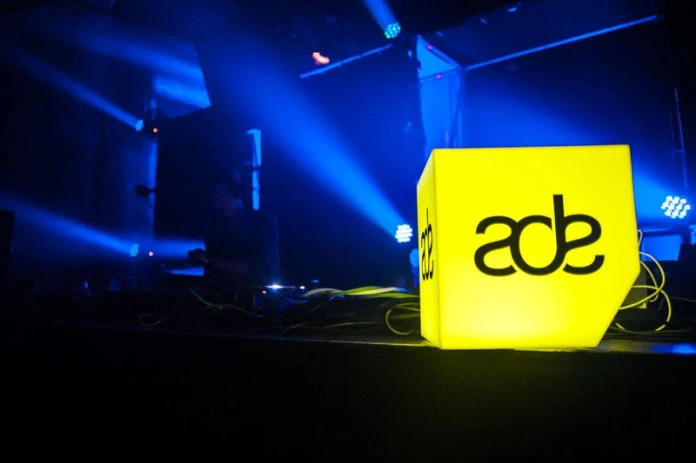
The festival side of ADE is one of the most exciting parts of the week because it spreads electronic music across the entire city. Instead of having one single festival ground, ADE uses Amsterdam itself as the stage.
This means every night can feel completely different.
One venue may host a techno label showcase.
Another may focus on house, trance, afro house, melodic techno, hard dance, drum and bass or experimental electronic music.
A smaller club can offer something more intimate and underground, while a large arena can deliver a full mainstage experience.
That variety is what makes ADE so powerful.
It is one of the few events where you can experience almost every side of electronic music in the same week. You can follow famous headliners, discover small producers, attend label events, explore new genres and understand how wide the electronic scene really is.
Personally, I think this is where ADE becomes special.
It does not reduce electronic music to one sound.
It shows the full map.
Jean-Michel Jarre and the Legacy of Electronic Music
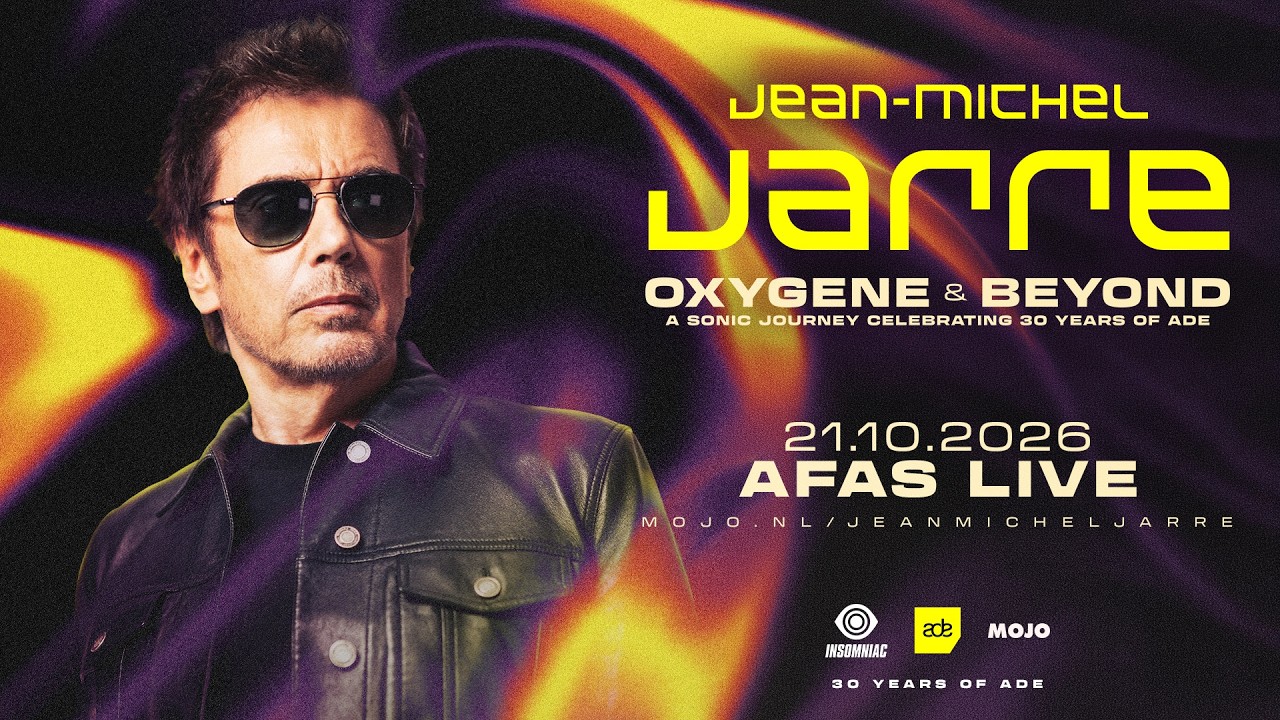
One of the most symbolic announcements for ADE 2026 is the presence of Jean-Michel Jarre as guest of honor.
Jarre will open the 30th anniversary edition with an official ADE Opening Concert at AFAS Live on October 21. His presence is especially meaningful because it connects ADE’s anniversary with the longer history of electronic music.
This is not just a normal booking.
Jean-Michel Jarre represents one of the foundations of electronic performance, combining music, technology, lights, visuals and large-scale live experiences long before these ideas became standard in today’s festival world.
His participation also coincides with the 50th anniversary of “Oxygène”, one of the most influential electronic albums ever made. That makes the opening feel like a bridge between past and future.
In a week often focused on new artists, new technology and the next wave of electronic music, bringing Jean-Michel Jarre into the center of ADE is a strong reminder that electronic music has history.
It has roots.
It has pioneers.
And its future makes more sense when we understand where it came from.
AMF 2026 and the Mainstage Spectacle
ADE is not only about clubs and conferences.
It also includes some of the biggest festival-scale events of the year, and AMF is one of the clearest examples.
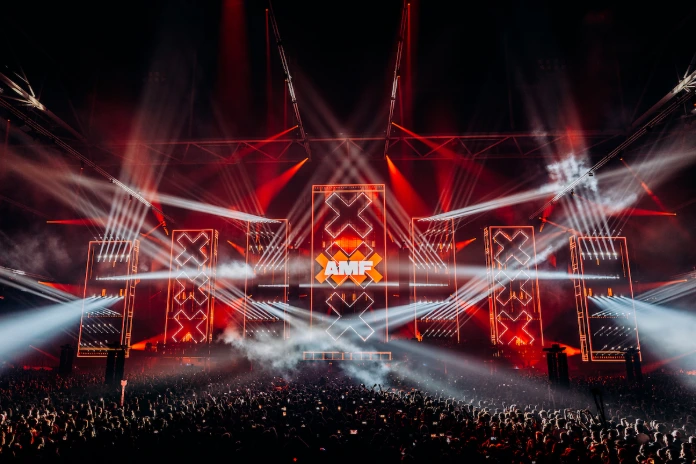
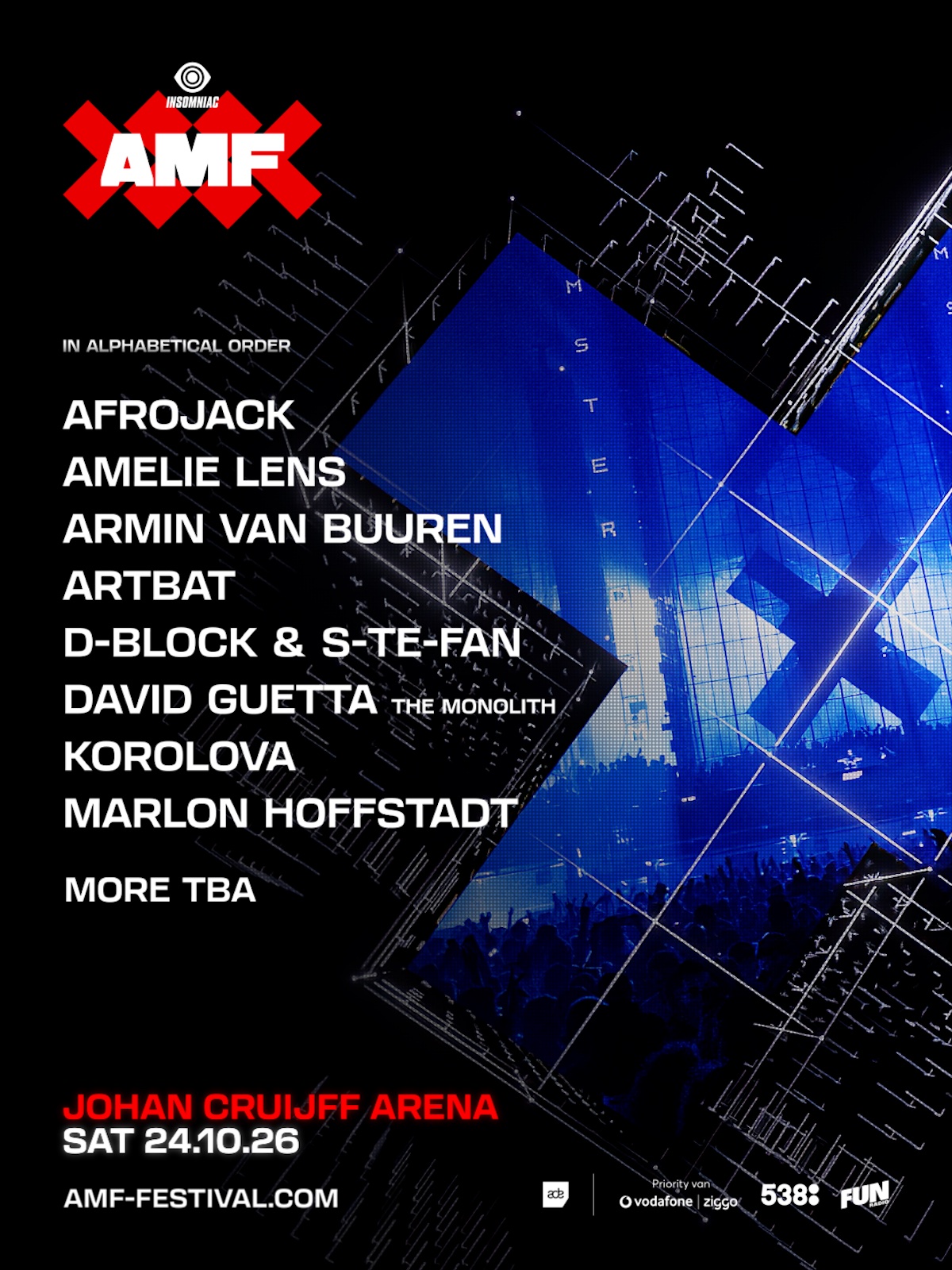
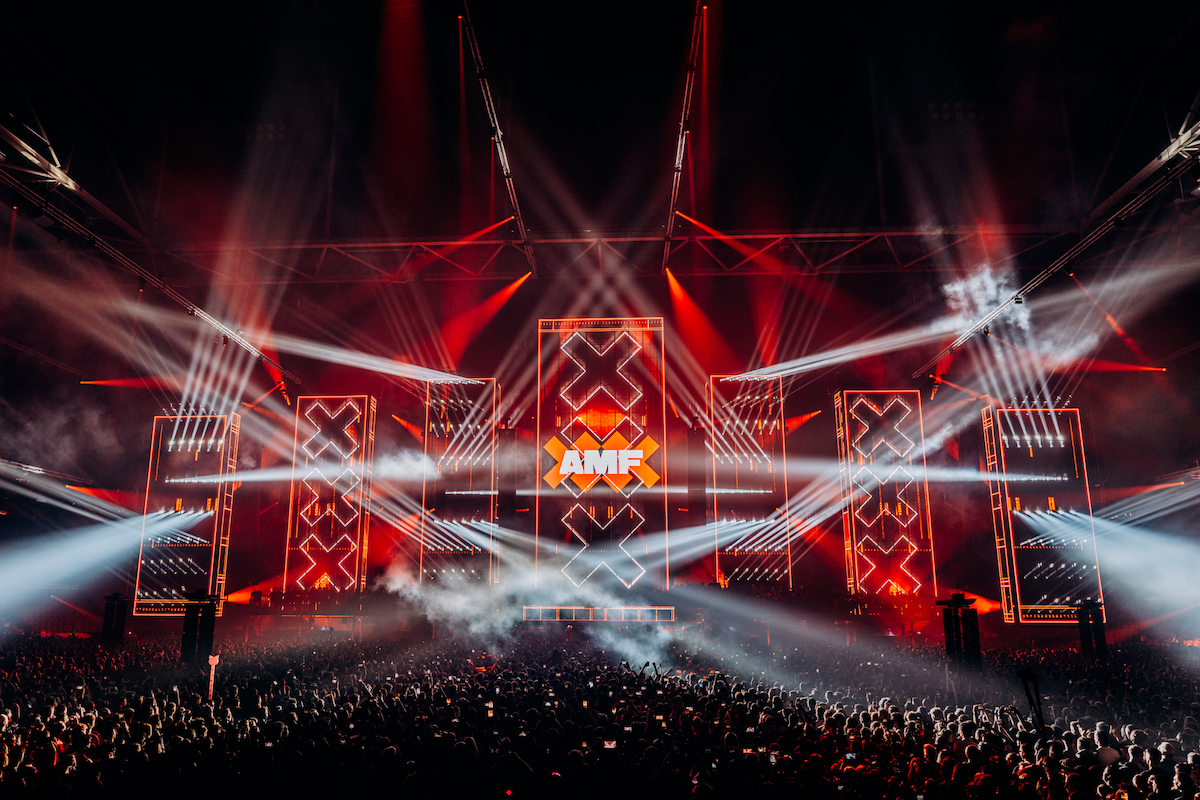
AMF 2026 returns to the Johan Cruijff ArenA on October 24, with David Guetta bringing The Monolith Show to Amsterdam during the ADE anniversary edition. The AMF lineup also includes names such as Afrojack, Amelie Lens, Armin van Buuren, ARTBAT, D-Block & S-te-Fan, Korolova and Marlon Hoffstadt.
This lineup says a lot about the current state of electronic music.
It mixes big room EDM, techno, trance, melodic sounds, hard dance and festival spectacle. That combination is exactly why ADE matters: during the same week, you can have intimate underground events and massive arena productions.
David Guetta’s Monolith Show adds another layer to the story.
It shows how electronic music is now deeply connected to visual performance, stage design and large-scale live concepts. The DJ set is no longer only about music. At this level, it becomes a full visual and sensory experience.
This is also part of ADE’s identity.
It shows both sides of electronic culture: the small room and the stadium.
Why ADE Is Important for Artists and Curators
ADE is especially relevant for artists, labels and curators because it shows how music moves through the industry.
For an emerging artist, ADE can be a place to understand how to present a project, how to meet the right people and how to position music inside a wider scene.
For a label, it can be a place to build relationships, promote showcases, discover new producers and create visibility.
For a playlist curator or independent music platform, ADE is useful because it gives access to trends, conversations and artists before they become more visible to the wider public.
This is why covering ADE on a music website is a smart move.
It gives the platform more authority.
It shows that the site is not only reacting to songs after they are released, but also following the spaces where electronic music is discussed, promoted and shaped.
For Victor Bendo Selections, ADE is a perfect topic because it connects everything the platform wants to represent: music discovery, playlist culture, artist promotion, festival coverage and the professional side of electronic music.
Final Thoughts
ADE 2026 is one of the most important electronic music events of the year because it brings together everything that makes the scene alive.
It has the festival energy.
It has the club culture.
It has the professional networking.
It has the educational side.
It has the history.
It has the future.
The 30th anniversary makes this edition even more meaningful. With Jean-Michel Jarre opening the event, AMF bringing David Guetta’s Monolith Show to the Johan Cruijff ArenA, and the city preparing for hundreds of events across Amsterdam, ADE 2026 feels like a celebration of electronic music in its widest possible form.
What makes ADE special is that it does not belong to only one type of electronic music fan.
It is for artists.
For DJs.
For labels.
For producers.
For clubbers.
For festival lovers.
For industry professionals.
For people trying to understand where electronic music is going next.
That is why ADE is not just Amsterdam’s electronic music week.
It is one of the most important meeting points for the global dance music community.
Hype Rating
Industry Relevance: 9.8/10
Festival Energy: 9.5/10
Networking Value: 9.7/10
Cultural Importance: 9.6/10
Lineup Potential: 9.4/10
International Impact: 9.8/10
Overall Rating: 9.7/10