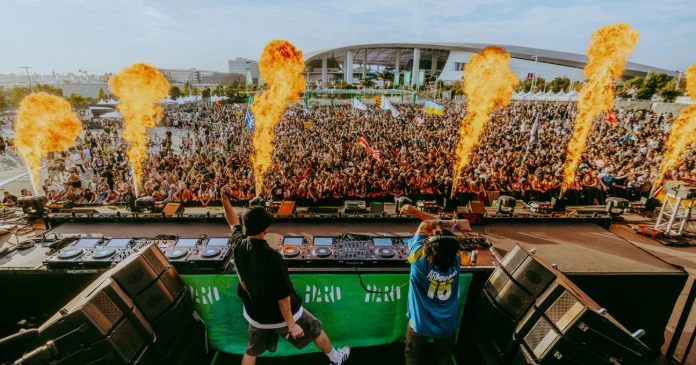
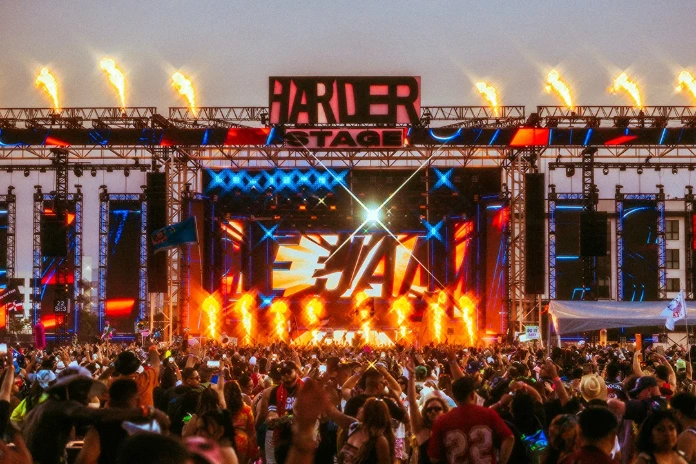
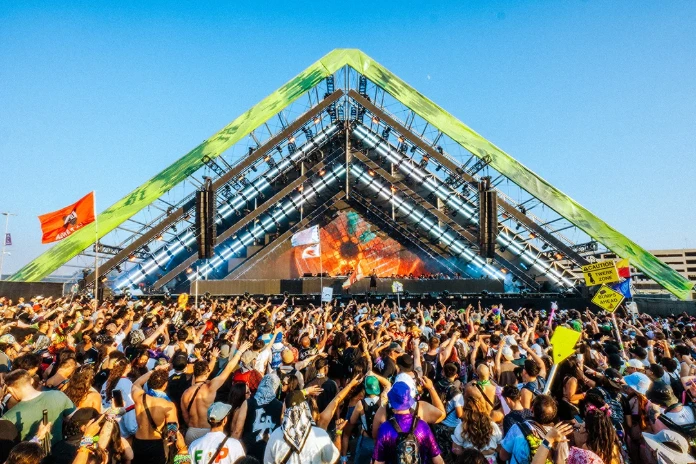
Some festivals build their identity around one clearly defined sound. HARD Summer has always taken the opposite approach.
Its lineups move freely between house, techno, bass music, hip-hop and the more experimental corners of electronic culture, often placing artists together who would rarely appear on the same festival poster elsewhere. That unpredictability has become part of the attraction. Attending HARD Summer is not simply about following the biggest names of the weekend, but about moving through very different musical environments without ever leaving the festival grounds.
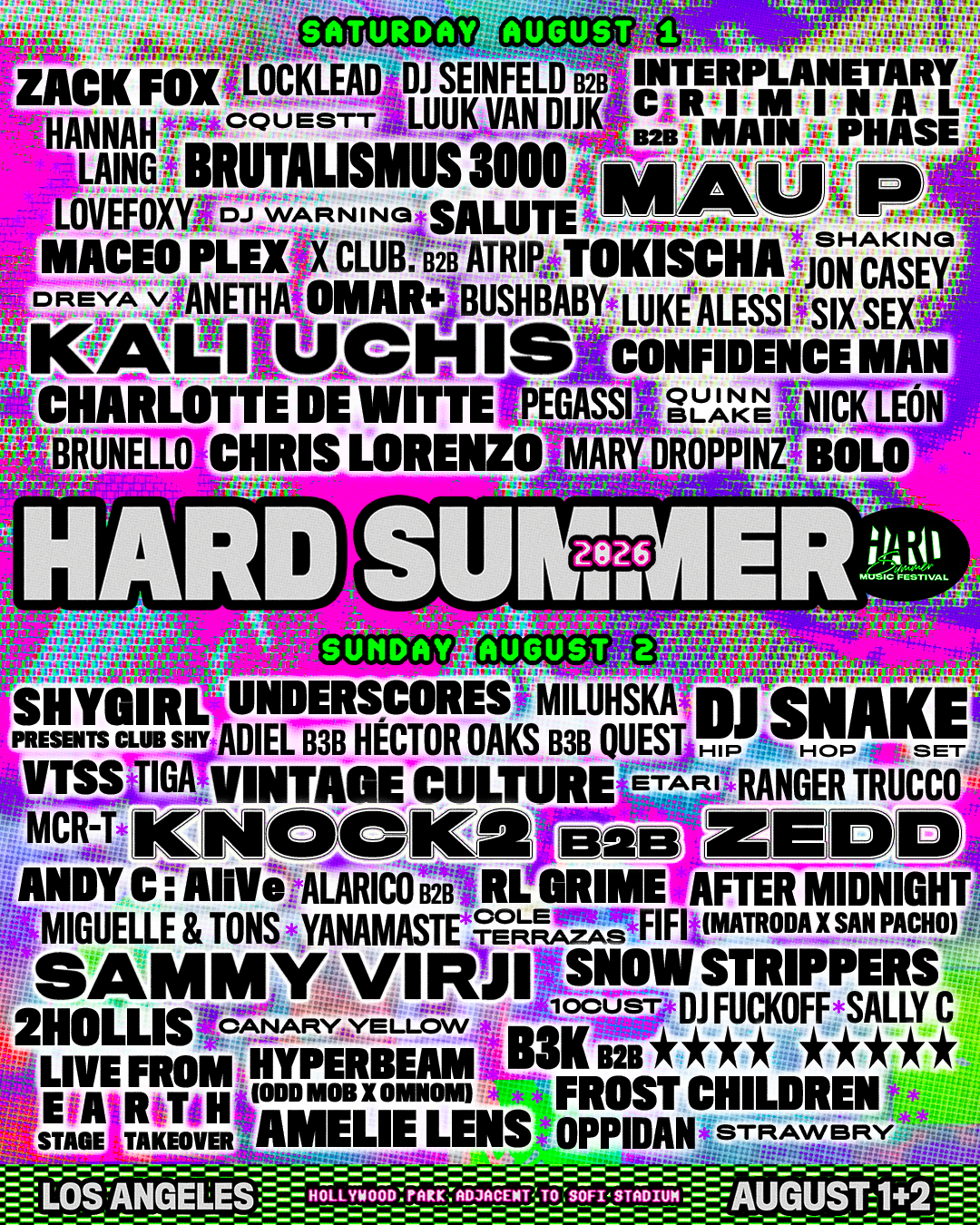
The 2026 edition returns to the Hollywood Park area in Inglewood, Los Angeles, on 1 and 2 August. Once again, the lineup reflects the restless personality that has defined HARD for years, bringing together Kali Uchis, Charlotte de Witte, Amelie Lens, Mau P, Sammy Virji, Vintage Culture, Brutalismus 3000, Maceo Plex, RL Grime and Chris Lorenzo, alongside one of the weekend’s most intriguing combinations: Knock2 and Zedd performing back-to-back. DJ Snake will also appear with a hip-hop set, offering a different side of an artist normally associated with global electronic stages.
Rather than presenting a simple division between commercial and underground music, HARD Summer places both worlds inside the same programme. House can lead into techno, bass music can share space with alternative pop, and a major festival artist can appear beside a specialist selector discovered only recently.
That contrast is exactly why HARD Summer 2026 deserves attention.
In this post:
• HARD Summer’s place in American festival culture
• The artists defining the 2026 lineup
• Why the back-to-back sets matter
• House music across the weekend
• A particularly strong year for techno
• Bass music and the harder side of HARD
• Kali Uchis and the festival’s wider musical identity
• The artists worth discovering beyond the headliners
• How to plan the weekend
• Final thoughts
A festival that has never wanted to fit into one category
HARD Summer occupies an unusual position within the American electronic festival scene.
It has the scale, production and major names expected from a large event, but its musical identity has traditionally been more flexible than that of a conventional EDM festival. The lineup does not attempt to create one continuous experience based on a single genre. Instead, HARD embraces the cultural overlaps that exist between Los Angeles nightlife, electronic music, hip-hop and alternative club culture.
That approach feels particularly appropriate in Los Angeles, a city where scenes constantly overlap. A warehouse techno event, a house party, a hip-hop show and a major electronic festival may attract different audiences, but those audiences are rarely completely separate. HARD Summer turns that reality into its programming philosophy.
The result is a festival where the next set is not always predictable from the one that came before it.
A visitor may spend the afternoon listening to rolling house music, move toward a faster techno performance and finish the night with bass-heavy festival production. Another person may build a completely different route around experimental artists, hip-hop influences and unusual back-to-back combinations.
This freedom is central to HARD’s appeal.
Many festivals encourage attendees to remain inside one musical identity for the entire weekend. HARD Summer rewards curiosity. It works best when visitors arrive with several essential artists in mind but remain willing to change direction when something unexpected begins on another stage.
For 2026, that philosophy is visible throughout the lineup.
A lineup built around contrasts
The first names that stand out on the HARD Summer 2026 poster represent several completely different sides of contemporary music.
Kali Uchis brings a form of global pop shaped by R&B, Latin influences and a highly recognisable visual identity. Charlotte de Witte and Amelie Lens represent the international rise of techno, both capable of translating intense club sounds onto enormous stages. Mau P, Vintage Culture, Sammy Virji and Chris Lorenzo offer different interpretations of modern house music, while RL Grime connects the festival to bass music and the American trap scene.
Brutalismus 3000 bring something more confrontational, combining fast electronic music with punk attitude and a live-performance energy that often feels deliberately uncontrolled. Maceo Plex occupies another space entirely, moving through house, techno and darker melodic sounds with the experience of an artist who has spent years resisting simple genre definitions.
The presence of all these names on one lineup gives HARD Summer its personality.
There is no single artist capable of summarising the entire weekend because the festival is built around movement between scenes. Kali Uchis may attract one of the broadest crowds, while Charlotte de Witte and Amelie Lens will appeal to those seeking relentless techno. Sammy Virji and Chris Lorenzo can draw listeners toward the current UK garage and bass-house revival, while RL Grime offers a connection to the heavier American electronic sound that has always been important to HARD.
This is not a lineup asking everyone to agree on one version of dance music.
It creates several versions at once.
Knock2 B2B Zedd could become the weekend’s defining set
Among the most discussed performances of HARD Summer 2026 is the back-to-back set between Knock2 and Zedd.
At first, the combination may appear unusual.
Zedd represents one of the most polished and globally successful sides of electronic music. His catalogue includes major melodic records, pop collaborations and productions built for huge festival audiences. Knock2 belongs to a younger generation shaped by bass house, internet-driven music culture and a more aggressive approach to club energy.
Their individual styles come from different periods of the EDM story, but that difference is precisely what makes the set interesting.
A back-to-back performance is most exciting when the artists do not simply reproduce the same sound. The format should create tension, forcing each person to respond to the other and opening possibilities that would not exist during a normal solo performance.
Zedd can bring structure, melody and familiarity. Knock2 can destabilise that structure through heavier rhythms, unexpected edits and faster transitions. The set could move between emotional festival records and much more physical club material, allowing both artists to show sides of themselves that are less visible during their regular performances.
There is also a symbolic dimension to the pairing.
Zedd was central to the period when electronic music became part of mainstream American pop culture. Knock2 represents a newer landscape, where genres move rapidly through online communities, unofficial edits become essential festival tools and artists can build global audiences without following the traditional route through radio.
Placed together, they connect two generations of large-scale electronic music.
Whether the performance becomes perfectly balanced or deliberately chaotic, it is likely to be one of the sets people discuss long after the weekend ends.
House music in several different forms
House music has one of the strongest presences across the 2026 lineup, but HARD Summer does not treat it as a single sound.
Mau P represents the heavier, more immediately recognisable side of modern festival house. His productions are often built around simple but powerful ideas, using bass pressure, short vocal phrases and arrangements that can create an instant reaction from very large crowds.
Vintage Culture approaches house music with a more melodic and emotional perspective. His sets often move between vocal records, darker club selections and moments designed to create a collective festival atmosphere. That flexibility makes him especially suitable for HARD, where audiences may arrive from several different parts of electronic music.
Sammy Virji brings a completely different rhythmic language.
His rise reflects the renewed international attention surrounding UK garage and bassline, styles built around swing, speed and movement rather than the straight structure associated with much contemporary tech house. His sets feel energetic without becoming predictable, and his presence could introduce many American festival visitors to a wider version of current British club culture.
Chris Lorenzo connects naturally to that world while bringing the heavier low-end character associated with bass house. His music can move between garage rhythms, house structures and more aggressive festival pressure, making him one of the artists best suited to HARD Summer’s genre-fluid identity.
The lineup therefore allows house fans to build several completely different weekends.
Someone looking for large, direct festival energy can follow Mau P. Those wanting melody and wider emotional progression may prefer Vintage Culture. Sammy Virji offers swing and speed, while Chris Lorenzo provides bass weight and club intensity.
The genre remains the same only in the broadest sense.
Each artist uses it to create a different type of movement.
Techno continues its move toward the largest stages
The presence of Charlotte de Witte and Amelie Lens confirms how central techno has become to major international festivals.
A decade ago, both artists might have been placed primarily within specialist clubs or dedicated techno events. Today, they can headline enormous stages while maintaining much of the intensity that first built their reputations.
Charlotte de Witte’s rise has been based on control.
Her sets are usually direct, focused and driven by a clear sense of tension. Even when the stage becomes larger, the performance rarely depends on conventional EDM structures. The energy comes from repetition, pressure and the gradual escalation of rhythm.
Amelie Lens brings a similarly powerful approach, although her performances often feel more openly emotional. The speed and percussion remain central, but there is usually a sense of momentum that can make the set feel like one continuous upward movement.
Their inclusion at HARD Summer also shows how festival audiences have changed.
The distinction between underground techno and large-scale electronic entertainment is no longer as rigid as it once appeared. Younger listeners move easily between warehouse events, social media clips, festival stages and specialist labels. An artist can maintain credibility within club culture while reaching crowds that would previously have been associated only with EDM.
Brutalismus 3000 push this development further.
Their music sits somewhere between techno, gabber, punk and live performance, rejecting the clean control associated with many large festival productions. Their sets can feel confrontational and deliberately unstable, offering a sharp alternative to more polished electronic performances.
Maceo Plex adds another dimension through experience and musical range. His work has moved between techno, house, electro and darker melodic territory, making him an ideal artist for listeners who want a longer journey rather than constant maximum intensity.
Together, these names make the 2026 edition particularly strong for techno.
The festival does not present the genre as one uniform wall of sound. It moves from the discipline of Charlotte de Witte to the momentum of Amelie Lens, the volatility of Brutalismus 3000 and the wider storytelling of Maceo Plex.
HARD Summer’s continued connection to bass music
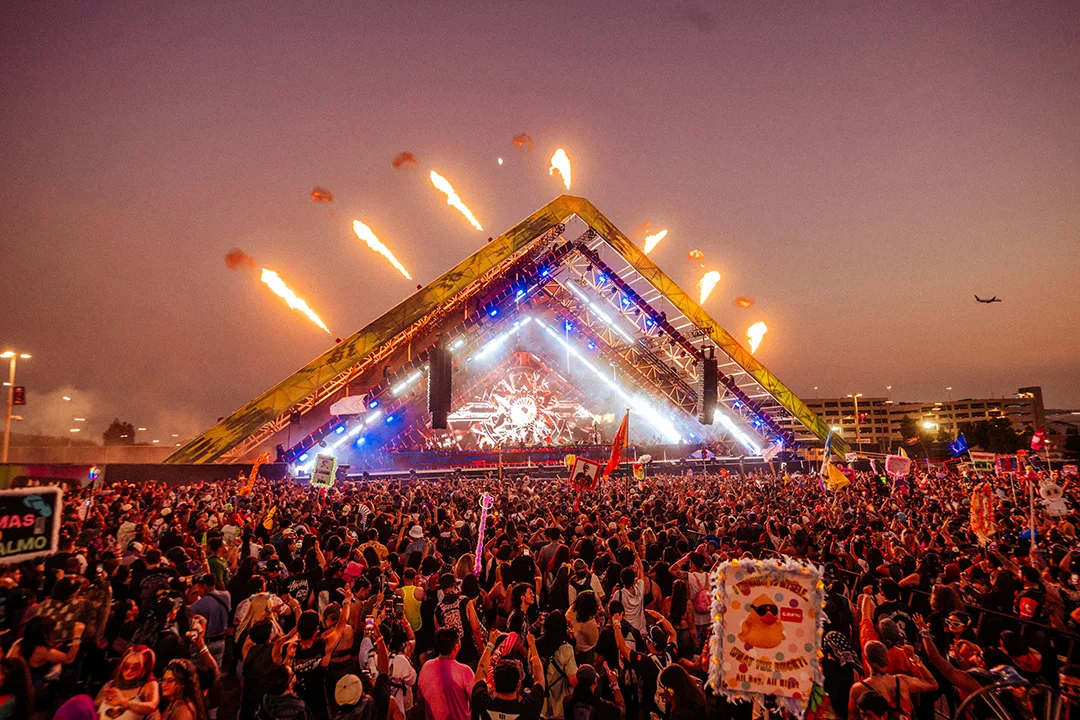
Although house and techno have become increasingly central to the festival, HARD Summer remains closely connected to bass music.
That history is important.
HARD developed during a period when American electronic music was being reshaped by electro, dubstep, trap and bass-heavy festival sounds. The event became a meeting point for audiences who did not necessarily identify with traditional house or techno culture but still wanted electronic music with physical impact.
RL Grime remains one of the clearest links to that history.
His work helped establish trap as a major force within American electronic festivals, combining hip-hop rhythms, cinematic builds and enormous low-end production. His sets can still create some of the most dramatic moments of a weekend because they move between emotional tension and sudden physical release.
Knock2 continues that tradition from a newer perspective.
His music often carries the directness of bass house, but it also reflects a generation comfortable moving between genres and online cultures. Tracks, edits and transitions arrive quickly, while the audience is expected to recognise references from different parts of electronic and pop music.
The harder side of the festival is therefore not limited to one stage or style.
It can appear through techno speed, trap production, bass-house drops or more experimental performances. This broad interpretation of intensity helps HARD avoid becoming tied to a particular era of American EDM.
The festival understands that the sound of “hard” electronic music changes over time.
Its role is not to preserve one formula, but to follow where the energy is moving next.
Kali Uchis widens the festival’s identity
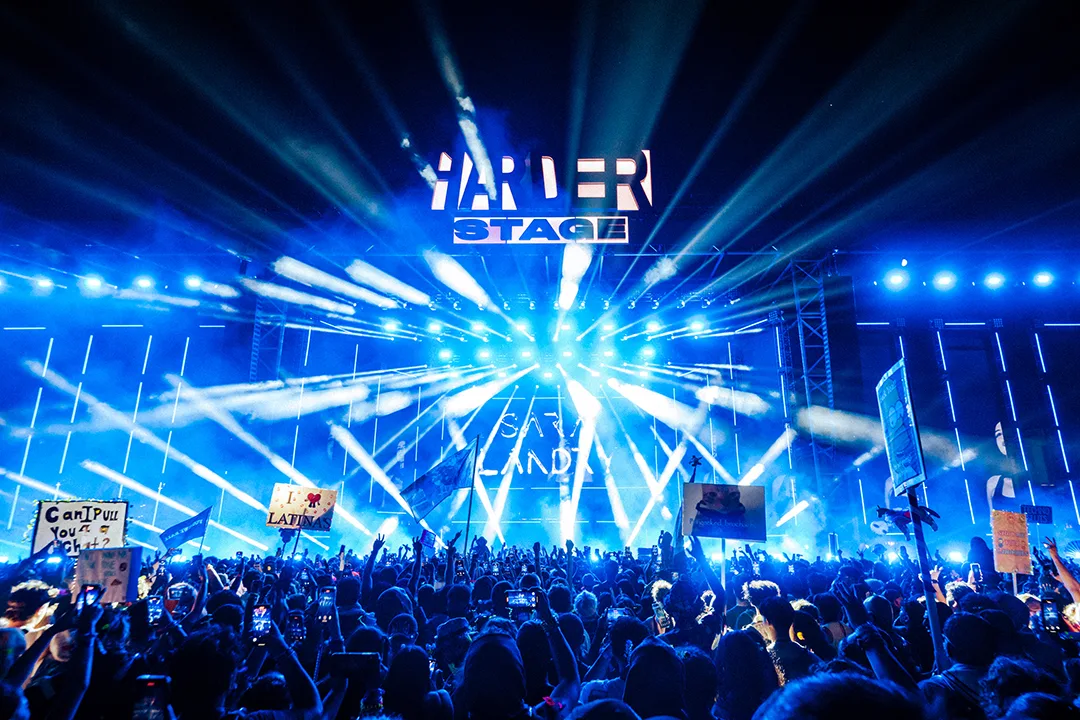
Kali Uchis is one of the lineup’s most important names precisely because she does not fit neatly into the traditional definition of an electronic festival headliner.
Her music moves between R&B, soul, pop and Latin influences, while her visual and artistic identity extends well beyond any one genre. Including her at HARD Summer reinforces the idea that the festival is not interested in protecting strict musical boundaries.
Her performance could also change the emotional rhythm of the weekend.
After hours of house, techno and bass music, a more song-oriented set offers a different kind of connection. The focus moves away from continuous DJ progression and toward voice, songwriting and stage presence.
This contrast is valuable.
Electronic festivals sometimes become exhausting because every artist attempts to create the biggest drop and the highest possible level of intensity. A performance built around songs and vocals can reset the audience’s attention, giving emotional weight to a lineup otherwise dominated by rhythm.
Kali Uchis also reflects the wider cultural identity of Los Angeles.
The city’s musical landscape is multilingual, cross-cultural and impossible to separate into clean categories. Her presence feels less like an unusual booking and more like a recognition of the audience HARD Summer actually serves.
It allows the festival to remain rooted in electronic culture while acknowledging that its visitors listen to much more than electronic music alone.
DJ Snake’s hip-hop set offers another unexpected direction
DJ Snake performing a hip-hop set is another example of HARD Summer using familiarity to create surprise.
Most festival audiences know him through global electronic hits, large-stage collaborations and an approach designed for immediate impact. A hip-hop performance creates space for him to return to influences that have always existed inside his work but may be less visible during a conventional EDM set.
The idea fits HARD particularly well.
Hip-hop and electronic music have repeatedly influenced one another, especially within trap, bass music and the wider American festival scene. DJ Snake’s career has often occupied that space, combining club production with rap vocals, international pop and festival-scale arrangements.
A dedicated hip-hop set could allow him to move beyond the expectations attached to his name.
Instead of building around his biggest records, he can focus on selection, rhythm and cultural references. The result may feel less like a traditional headline show and more like a DJ demonstrating the music that shaped his instincts.
For long-time fans, it could reveal a more personal side of his identity. For others, it may become one of the weekend’s most surprising performances.
Artists worth discovering beyond the largest names
The deeper part of the HARD Summer lineup is where the festival’s curatorial personality becomes clearest.
Anetha has become one of the most respected figures in contemporary European techno, known for sets that can move between intensity, emotion and unexpected stylistic changes. Her music is often fast, but never one-dimensional, making her an essential choice for visitors who want techno with a stronger sense of narrative.
Interplanetary Criminal represents the continuing rise of UK garage and bassline. His productions helped bring those rhythms back into international attention, and his sets can provide a looser, more unpredictable alternative to straightforward house music.
Main Phase operates in a similar area, bringing garage, breaks and bass culture into sets built around fast movement and detailed rhythm. For listeners familiar mainly with American festival house, both artists could become important discoveries.
DJ Seinfeld offers something more reflective. His music often balances house grooves with melancholy and intimacy, showing how dance music can remain physically effective without hiding emotional vulnerability.
Luuk van Dijk and Locklead represent the groove-focused house scene associated with the Netherlands, where minimal arrangements, detailed percussion and warm basslines can create long, hypnotic transitions.
Yousuke Yukimatsu brings a much less predictable approach. His sets have gained attention for moving radically between genres, creating performances based on emotional logic rather than conventional stylistic consistency. For a festival built around unexpected movement, he may be one of the most appropriate artists on the entire lineup.
These are the performances capable of transforming HARD Summer from a weekend of familiar names into a genuine discovery experience.
The headliners provide scale.
The deeper lineup provides character.
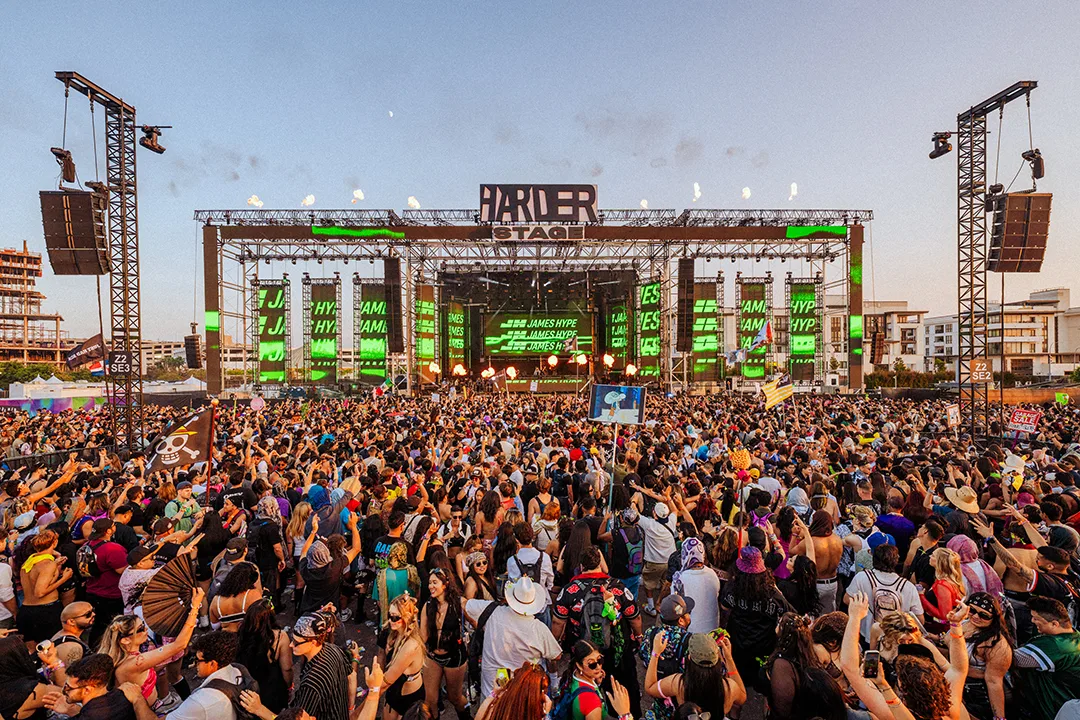
How to plan HARD Summer 2026
The best way to approach HARD Summer is to avoid creating a schedule based only on popularity.
The lineup is too varied, and many of the most interesting contrasts will probably happen between artists with completely different audiences. A rigid plan focused only on major names could remove the spontaneity that makes the festival distinctive.
A better strategy is to choose a small number of essential performances and use them as anchors.
Knock2 B2B Zedd should be treated as one of the weekend’s main priorities because the pairing is unique to the event and difficult to predict. Charlotte de Witte or Amelie Lens should be included for anyone curious about how modern techno translates onto a large American festival stage.
House listeners may need to choose carefully between Mau P, Sammy Virji, Vintage Culture and Chris Lorenzo, depending on whether they prefer festival pressure, garage rhythms, melody or heavier bass movement.
Kali Uchis offers an important change of pace, while RL Grime remains essential for anyone connected to the history of American bass music.
It is also worth leaving at least one part of each day unplanned.
Walking into a stage without knowing the artist can be more rewarding than spending the entire weekend moving between names already familiar from streaming platforms. HARD Summer’s lineup has enough depth to make that risk worthwhile.
Because the event takes place across two days, pacing also matters.
Trying to experience maximum intensity from the first afternoon may make the later headliners less enjoyable. Starting with groove-focused house, experimental selectors or more melodic performances can allow the weekend to develop naturally before moving into the hardest techno and bass sets.
The ideal HARD Summer route should not feel like a checklist.
It should feel like a sequence of discoveries.
Event information
Festival: HARD Summer Music Festival 2026
Dates: Saturday 1 and Sunday 2 August 2026
Location: Hollywood Park, Inglewood, Los Angeles
Main genres: House, techno, bass music, hip-hop and electronic pop
Key artists: Kali Uchis, Charlotte de Witte, Amelie Lens, Mau P, Sammy Virji, Vintage Culture, Brutalismus 3000, Maceo Plex, RL Grime and Chris Lorenzo
Special performances: Knock2 B2B Zedd and a hip-hop set from DJ Snake
Final thoughts
HARD Summer 2026 stands out because it does not attempt to present electronic music as one unified culture.
Instead, it accepts the contradictions inside the scene.
It places large-scale melodic artists beside underground techno, UK garage beside American bass music and an alternative pop figure such as Kali Uchis at the centre of a weekend still rooted in club culture. The lineup reflects the way audiences actually listen today: without remaining loyal to one genre, platform or generation.
The biggest names provide obvious reasons to attend.
Charlotte de Witte and Amelie Lens bring the force of contemporary techno. Mau P, Sammy Virji, Vintage Culture and Chris Lorenzo show how many different directions house music can take. RL Grime reconnects the festival to its bass-heavy history, while Brutalismus 3000 offer something more abrasive and unpredictable.
However, the most exciting element may be the combinations that are harder to imagine in advance.
Knock2 and Zedd could produce one of the year’s most unusual back-to-back sets. DJ Snake’s hip-hop performance may reveal a side of his musical identity that large festival crowds rarely hear. Artists such as Anetha, Interplanetary Criminal, Main Phase and Yousuke Yukimatsu can introduce listeners to scenes far beyond the obvious headliners.
That is what HARD Summer has always understood better than many other festivals.
A strong lineup is not only a collection of artists people already want to see. It should create the possibility of leaving with new favourites, new genres and a completely different understanding of the electronic landscape.
HARD Summer 2026 appears ready to do exactly that.
Los Angeles will provide the scale, the heat and the cultural mixture. The artists will provide several competing versions of what dance music can be. The audience will decide how those worlds connect.
The perfect HARD Summer weekend will not be the one where every planned set is completed.
It will be the one where the plan changes.
If you made it this far, thank you for reading.
Have a good music day.