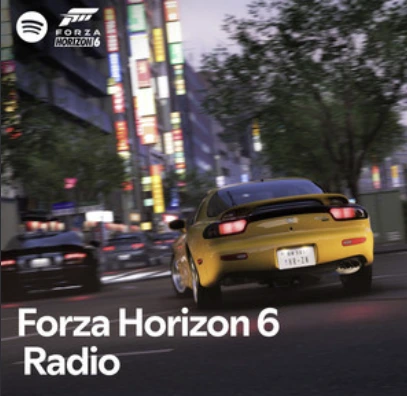
With over 200 tracks, nine radio stations and a musical selection spanning electronic music, drum & bass, rock, hip-hop and J-pop, Forza Horizon 6 puts music at the heart of the driving experience, featuring artists such as Calvin Harris, Barry Can't Swim, FISHER, Porter Robinson and Linkin Park.
In this article:
Forza Horizon 6: When a Video Game Becomes a Music Festival
Over 200 Tracks and Nine Radio Stations
Calvin Harris, Barry Can't Swim and FISHER: Electronic Music Takes Centre Stage
Horizon Pulse and Bass Arena: Two Sides of Dance Music
Hospital Records and the Return of Drum & Bass
From Linkin Park to J-Pop: A Soundtrack Without Musical Boundaries
Japan and the Importance of Musical Identity
Why Video Game Playlists Are Changing Music Discovery
Final Thoughts
Forza Horizon 6: When a Video Game Becomes a Music Festival
Music has always been one of the defining elements of the Forza Horizon universe. Since the earliest instalments, Playground Games has built the franchise around a distinctive concept, transforming what could have been a traditional racing game into a fully immersive festival experience, where freedom, speed, exploration and music come together to create something that extends far beyond the competition itself.
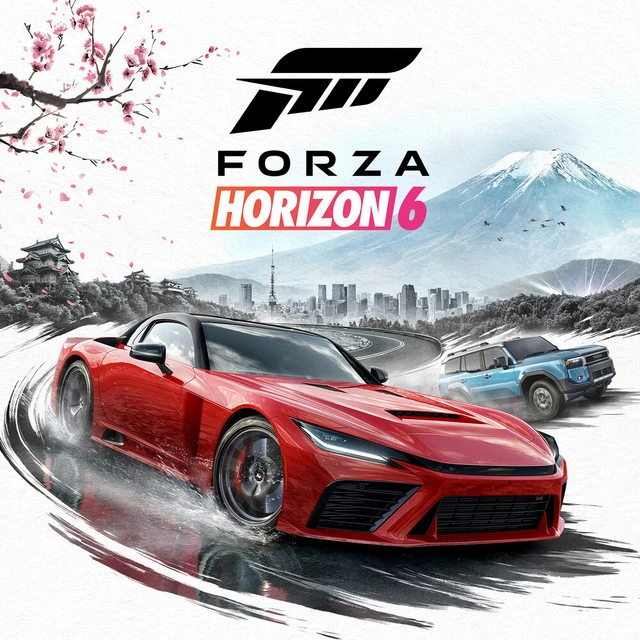
With Forza Horizon 6, released on 19 May 2026 and set in Japan, that philosophy reaches a new level. Tokyo's illuminated streets, mountainous landscapes and scenic driving routes provide the backdrop for an adventure accompanied by one of the most ambitious musical selections ever assembled for the series.
What makes this chapter particularly interesting is not simply its Japanese setting, but the increasingly important role that music plays in shaping the overall experience. Featuring more than 200 tracks across nine radio stations, the soundtrack brings together internationally recognised electronic music artists alongside rock, hip-hop, indie and Japanese contemporary sounds, reflecting both the diversity of modern music culture and the distinctive identity of the country in which the game takes place.
Rather than functioning as background entertainment, the soundtrack becomes an essential part of the journey, influencing the atmosphere of each drive and allowing players to build their own musical experience as they explore the game's open world.
For music enthusiasts, Forza Horizon 6 represents something particularly compelling: a virtual festival where the playlist is constantly evolving, the roads become the stage and every journey comes with its own soundtrack.
Over 200 Tracks and Nine Radio Stations: The Biggest Soundtrack in Forza Horizon History
For its sixth instalment, Playground Games has significantly expanded the musical offering, introducing nine radio stations, each with its own distinctive identity and artistic direction. With more than 200 licensed tracks, the game features the largest licensed soundtrack in the franchise's history, reinforcing the importance of music as a central element of the Forza Horizon experience.
The selection covers an impressive range of genres, from melodic house and contemporary dance music to drum & bass, rock, hip-hop, synthwave and Japanese pop. Rather than combining everything into one continuous playlist, the developers have created individual musical environments, allowing players to choose a soundtrack that reflects their preferences and the atmosphere of their journey.
The nine radio stations featured in Forza Horizon 6 include:
Horizon Pulse: Electronic music, house and electropop.
Horizon Bass Arena: EDM, bass music and high-energy dance productions.
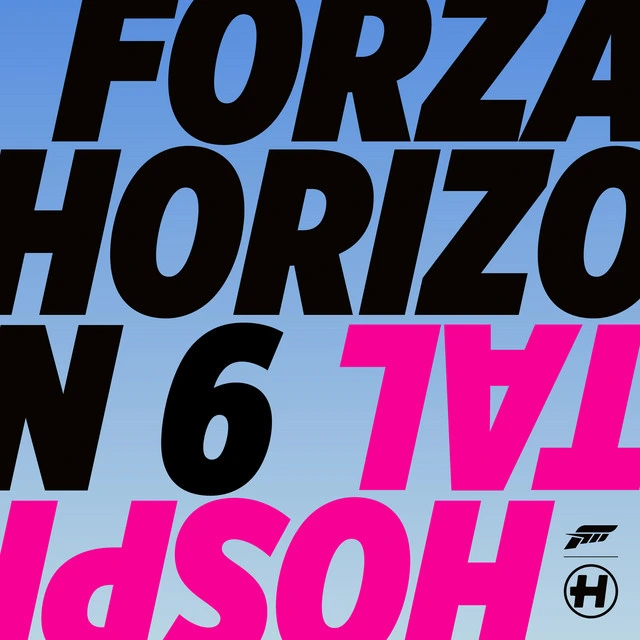
Hospital Records: Drum & bass and contemporary UK electronic music.
Horizon Block Party: Hip-hop and rap.
Horizon XS: Rock, punk and metal.
Gacha City Radio: J-pop and contemporary Japanese music.
Sub Pop Records: Indie and alternative music.
Horizon Wave: Synthwave and retrowave.
Horizon Opus: Contemporary classical music.
This musical diversity creates an experience in which every driving situation can have its own sonic identity. A peaceful journey through the Japanese countryside might be accompanied by atmospheric electronic productions, while a high-speed race through Tokyo can take on an entirely different character with powerful basslines, energetic drops and fast-paced rhythms.
It is an approach that reflects the broader evolution of video game soundtracks, which are increasingly curated with the same attention to artistic identity and audience engagement as major festivals and established music platforms.
Calvin Harris, Barry Can't Swim and FISHER: Electronic Music Takes Centre Stage
Among the most notable aspects of the Forza Horizon 6 soundtrack is its particularly strong connection to contemporary electronic music. The selection features some of the industry's biggest international names alongside artists who have helped redefine the boundaries of house, dance and experimental electronic production in recent years.
One of the most recognisable artists on the soundtrack is Calvin Harris, whose collaboration with Clementine Douglas, Blessings, appears through Odd Mob's remix. The track brings a club-oriented energy to the game, combining the accessibility of Harris's production style with the driving grooves and bass-heavy approach associated with modern house music.
His inclusion connects Forza Horizon 6 directly with the wider world of electronic music festivals, where major dance releases often become defining moments for audiences around the world.
Alongside Harris, Barry Can't Swim appears with Cars Pass By Like Childhood Sweethearts, offering a noticeably different musical perspective. Known for blending electronic production with melodic experimentation and influences from jazz, house and alternative music, the Scottish producer represents a generation of artists whose work moves beyond traditional dancefloor formulas.
His presence is particularly well suited to the open-world nature of Forza Horizon, where the soundtrack must do more than provide energy during competitive racing. The emotional and atmospheric qualities of his music create an interesting contrast with the more intense productions featured elsewhere in the game, demonstrating how electronic music can enhance both high-speed action and quieter moments of exploration.
The lineup also includes FISHER, with Stay, alongside Porter Robinson and Cheerleader, BLOND with Self Love, and LP Giobbi with You Are. Although these artists represent different approaches to electronic music, their inclusion reflects the genre's growing diversity, from festival-ready house productions to emotionally driven electronic songwriting.
What makes this selection particularly effective is the balance between internationally established names and more distinctive artistic identities. Rather than relying exclusively on familiar commercial hits, Forza Horizon 6 introduces players to different corners of the electronic music landscape, creating opportunities for discovery that extend beyond the game itself.
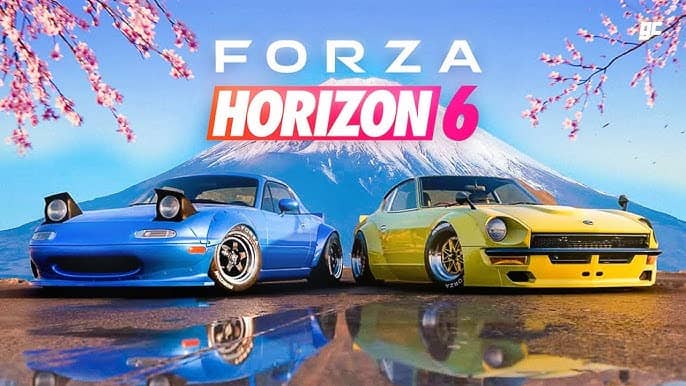
Horizon Pulse and Bass Arena: Two Sides of Dance Music
Within the game's extensive radio lineup, Horizon Pulse and Horizon Bass Arena represent two complementary interpretations of electronic music, highlighting how different sounds can create entirely different driving experiences.
Horizon Pulse focuses on the more melodic and atmospheric side of the genre, bringing together artists such as Tycho, Lane 8, Porter Robinson, Barry Can't Swim and Tame Impala. Its musical direction moves between melodic house, synth-pop and electronic productions with a more introspective character, making it particularly suitable for exploring Japan's landscapes and enjoying the sense of freedom that has always defined the Forza Horizon series.
Rather than constantly pushing the intensity higher, the station creates an atmosphere in which music and scenery can develop naturally together. A late-night drive through Tokyo or a journey across a quiet mountain road becomes an opportunity to experience electronic music in a different context, where melody and emotion are just as important as rhythm.
Horizon Bass Arena, meanwhile, takes a more energetic approach, featuring artists including FISHER, Calvin Harris, Dom Dolla, ISOxo, Tourist and Subtronics. Its selection is built around powerful basslines, high-impact productions and rhythms designed to generate momentum, bringing the atmosphere of clubs and electronic music festivals directly into the driving experience.
The contrast between these stations illustrates one of the soundtrack's greatest strengths: electronic music is not treated as a single, uniform genre, but as a broad musical landscape with different identities, audiences and emotional qualities.
For players, that distinction means being able to move effortlessly between the atmosphere of a melodic house set and the intensity of a bass-driven festival performance, all without leaving the game's virtual world.
Hospital Records: The Connection Between Drum & Bass and Speed
Another essential part of the soundtrack is the return of Hospital Records, the influential British record label that has maintained a close relationship with the Forza Horizon series since its second instalment.
Over the years, this collaboration has become one of the franchise's most recognisable musical partnerships, introducing players to a genre whose fast-paced rhythms and distinctive production techniques have proved particularly effective within racing environments.
For Forza Horizon 6, the Hospital Records station features artists including Fred V, Logistics, Makoto, Nu, S.P.Y and Metrik, continuing the label's role in representing drum & bass within the gaming world.
The connection between drum & bass and racing games feels almost instinctive. With its rapid breakbeats, deep bass frequencies and energetic arrangements, the genre creates a sense of movement that naturally complements acceleration, sharp turns and high-speed competition.
However, the significance of Hospital Records' involvement extends beyond this connection between rhythm and gameplay. By maintaining a dedicated radio station within one of gaming's most recognisable racing franchises, the label has gained a platform capable of introducing its artists and musical identity to an international audience that might otherwise have limited exposure to drum & bass.
This is an important example of how video games can support musical discovery, particularly for genres and independent labels whose influence within electronic music culture is not always reflected in mainstream charts.
From Linkin Park to J-Pop: A Soundtrack Without Musical Boundaries
Although electronic music plays a particularly prominent role in Forza Horizon 6, the game's musical identity extends well beyond the dancefloor. Playground Games has created a selection that connects different genres and cultural influences, giving players the freedom to experience Japan through a wide variety of sounds.
Horizon XS provides a more guitar-driven alternative, featuring major names from the international rock and metal scenes. Among them are Linkin Park, whose track Up From The Bottom appears alongside music from Biffy Clyro, Rise Against, Spiritbox, Turnstile and BABYMETAL.
These artists bring a more aggressive dimension to the soundtrack, introducing powerful guitar arrangements, intense vocals and the energy associated with live rock performances.
The inclusion of BABYMETAL is particularly interesting given the game's Japanese setting. Known for combining heavy metal with elements of Japanese pop culture, the group represents a musical identity that reflects the country's ability to bring together influences from seemingly distant genres and traditions.
That same cultural diversity is explored through Gacha City Radio, a new station dedicated to contemporary Japanese music. Featuring artists such as Ado and Creepy Nuts, the station introduces players to J-pop, J-rock and sounds connected to the wider world of Japanese entertainment and anime culture.
Rather than using Japan simply as a visual backdrop, Forza Horizon 6 incorporates elements of the country's musical landscape into its identity, allowing the soundtrack to become part of the broader cultural experience.
Japan as a Musical Identity: Where Tradition Meets Electronic Culture
The decision to set Forza Horizon 6 in Japan creates an opportunity to explore a musical landscape that has influenced global popular culture for decades. From J-pop and anime soundtracks to experimental electronics, underground club culture and contemporary alternative music, Japan has developed a remarkably diverse artistic identity.
Within the game, this diversity is reflected through the presence of Japanese artists and musical productions that connect local culture with international electronic trends.
One example is Hikaru Utada's Electricity, remixed by salute, which brings together one of Japan's most recognisable pop voices with a contemporary electronic production style. It is a collaboration that captures an important aspect of the soundtrack's direction: the ability to combine local musical identities with sounds that resonate across international audiences.
The inclusion of synthwave and Japanese contemporary music also complements the game's visual atmosphere, particularly during night-time sequences in Tokyo, where illuminated streets, modern architecture and urban landscapes create a setting naturally suited to electronic sounds.
Driving through the city accompanied by atmospheric productions or exploring Japan's quieter regions with melodic electronic music allows the soundtrack to take on a narrative role, shaping the emotional character of each journey.
In this sense, the game's musical direction is not simply about selecting tracks that sound good while driving. It is about creating a relationship between the location, the player and the music, making each journey feel distinctive.
Why Video Game Playlists Are Changing Music Discovery
The importance of video game soundtracks extends far beyond entertainment. Over the years, franchises such as Grand Theft Auto, EA Sports FC and Forza Horizon have helped create new connections between artists and audiences, transforming in-game playlists into valuable spaces for musical discovery.
Unlike traditional listening experiences, where users deliberately select an artist, album or playlist, music in video games is often discovered while players are engaged in an entirely different activity.
A song heard during a memorable race, an exploration sequence or a particularly emotional moment can become strongly associated with that experience, giving the music a personal significance that goes beyond the track itself.
This connection between sound and memory is one of the reasons why certain video game soundtracks remain culturally relevant long after their original release. Music becomes part of the player's experience, and individual tracks can continue to evoke memories of particular locations, challenges and moments.
In Forza Horizon 6, the presence of artists such as Barry Can't Swim, LP Giobbi, Tycho and Porter Robinson creates an opportunity for players to discover different styles of electronic music, while genre-specific radio stations encourage exploration beyond familiar listening habits.
The relationship with streaming platforms strengthens this connection. Playground Games has also made Spotify playlists available for the game's radio stations, allowing listeners to continue exploring the soundtrack outside the virtual environment.
For artists and record labels, this kind of exposure represents an interesting opportunity. A track included in a major video game can reach people who may never have encountered it through traditional radio, streaming recommendations or social media.
From this perspective, Forza Horizon 6 demonstrates how carefully curated playlists can create value beyond the listening experience, helping to shape the identity of a cultural product while encouraging audiences to discover new music.
Final Thoughts: When Music Becomes Part of the Driving Experience
With Forza Horizon 6, Playground Games reinforces the idea that music is not simply an additional feature of the franchise, but one of the elements that defines its identity. By bringing together internationally recognised artists, distinctive electronic producers and a wide range of musical genres, the game creates a soundtrack designed to accompany players throughout an extensive virtual journey across Japan.
The strong presence of electronic music, from melodic house and contemporary dance productions to drum & bass, highlights the natural relationship between rhythm, movement and speed. At the same time, the inclusion of rock, hip-hop, indie and J-pop gives the soundtrack a broader cultural dimension, allowing different musical communities to coexist within the same experience.
For Victor Bendo Selections, Forza Horizon 6 is another example of how playlists can extend beyond conventional music consumption, becoming an integral part of entertainment, digital culture and personal experiences.
As gaming, streaming and music continue to evolve together, the importance of thoughtful music curation is becoming increasingly clear. A carefully selected soundtrack can introduce new artists, strengthen the identity of a virtual world and create connections between music and memories that remain long after the game has ended.
Ultimately, Forza Horizon 6 shows that a great soundtrack does more than fill the silence between races. It can transform a virtual journey into a musical experience that continues long after the console has been switched off.