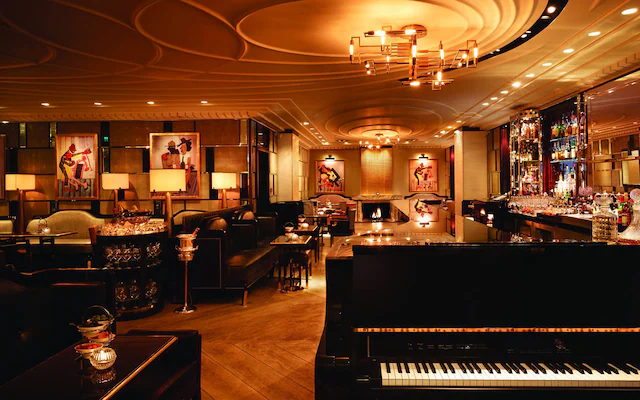
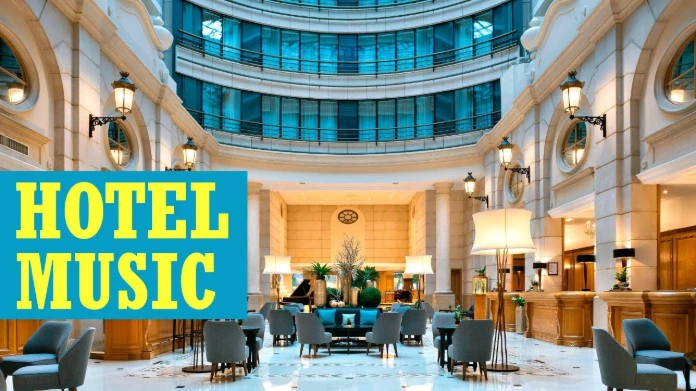
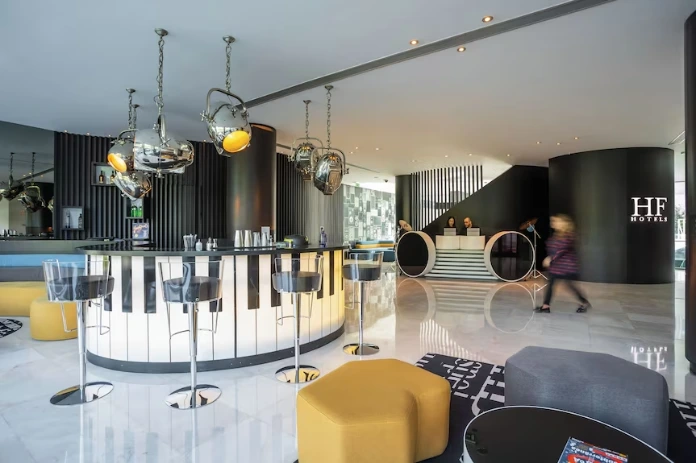
Hotel lobbies are not only designed through furniture, lighting and architecture. They are also designed through sound. The playlist playing in the background can change the way guests enter the space, the way they perceive the hotel and even the way they connect with the city they are visiting.
A good hotel lobby playlist does not simply fill silence. It creates a first impression. It gives rhythm to the room. It tells guests what kind of place they have just entered before anyone at reception says a word.
In this post:
• Why Hotel Music Matters
• The Lobby as a First Impression
• How Playlists Create a Sense of Place
• Luxury Is Also a Sound
• Local Music and the Guest Experience
• Why Hotel Playlists Are Different From Restaurant Playlists
• What Curators Can Learn From Hotel Soundtracks
• Final Thoughts
Why Hotel Music Matters
When we think about a hotel, we usually think about the room first.
The bed, the view, the design, the bathroom, the breakfast, the location. But the hotel experience begins before any of that. It begins when a guest walks through the entrance and feels the atmosphere of the lobby.
That first moment is extremely important.
The lobby is the emotional entrance to the stay. It tells the guest whether the hotel feels elegant, warm, modern, relaxed, exclusive, creative or forgettable. Music plays a big role in that feeling.
A hotel lobby without music can feel empty. A lobby with the wrong music can feel confusing. But a lobby with the right playlist can immediately make the space feel complete.
That is why hotel playlists are so interesting.
They are not made only for entertainment. They are part of the design of the place.
The music becomes invisible architecture.
It shapes the mood of the room without needing to be seen.
The Lobby as a First Impression
A hotel lobby has a very specific function.
It is not a restaurant, not a club, not a bedroom and not just a waiting area. It is a transition space. Guests arrive from airports, trains, taxis, meetings, long walks or stressful travel days, and the lobby is the place where they shift from the outside world into the hotel experience.
Music helps manage that transition.
A soft electronic playlist can make the space feel modern and calm. A deep house selection can create a stylish and international feeling. Jazz, soul or downtempo sounds can make the lobby feel warmer and more intimate. Ambient music can make guests slow down and breathe.
This is where the playlist becomes more than decoration.
It guides the guest’s emotional state.
The best hotel lobby music does not scream for attention. It does not need to be the main character. It works because it gives the room an identity while still leaving space for conversation, check-in, waiting, working or simply observing the environment.
A good lobby playlist should make guests think:
“This place feels good.”
Even if they do not immediately know why.
How Playlists Create a Sense of Place
One of the most interesting ideas in hotel music is the sense of place.
A hotel in Berlin should not necessarily sound like a hotel in Lisbon. A boutique hotel in Milan should not feel exactly like one in Amsterdam. Of course, a brand can have a consistent identity, but the music can still reflect the city around it.
This is where local playlists become powerful.
A study by HearDis! in collaboration with Motel One explored how local music can influence the hotel experience under real hotel conditions. The results showed positive effects on sense of place, guest satisfaction and cultural curiosity. In other words, guests did not just hear background music; the music helped them feel more connected to where they were.
That is very important.
Travel is not only about sleeping in a different city.
It is about feeling that city.
Local music can help a hotel become part of the destination instead of feeling like the same space copied everywhere. A carefully selected playlist can make the city audible. It can bring in local artists, local rhythms, local moods and a subtle cultural atmosphere that gives the stay more character.
This does not mean the playlist has to be obvious or stereotypical.
A hotel in Naples does not need to play only traditional Neapolitan songs. A hotel in Paris does not need to play only accordion clichés. The goal is not to create a postcard. The goal is to translate the personality of the place into music.
That is where real curation begins.
Luxury Is Also a Sound
Luxury is not only about expensive materials.
It is also about control.
A luxury space usually feels carefully designed because nothing seems accidental. The lighting is controlled. The scent is controlled. The service is controlled. The visual identity is controlled. Music should be controlled too.
This is why hotel lobby playlists can make a space feel more expensive.
The right soundtrack gives the impression that someone thought about every detail. It makes the lobby feel intentional. A random playlist can damage that feeling very quickly.
Imagine entering a beautiful hotel with perfect lighting and elegant design, but the music is too loud, too commercial or completely disconnected from the mood. The space immediately loses part of its magic.
Now imagine the same lobby with a warm, minimal, elegant and perfectly balanced playlist.
Everything changes.
The music does not need to be famous. In fact, luxury often works better when the music is not too obvious. If every song is too recognizable, the guest may focus on the track instead of the atmosphere. A great lobby playlist often uses music that feels familiar in mood, but not necessarily famous in title.
That makes the space feel curated.
And curated spaces feel premium.
Local Music and the Guest Experience
The HearDis! and Motel One study is useful because it gives real support to something many curators already feel instinctively: music can improve the way people experience a place.
According to the study, the effectiveness of local playlists was not mainly driven by whether guests recognized the songs. What mattered more was the ability of the music to communicate the character of the destination. This is a very important point for playlist curators.
Recognition is not everything.
Atmosphere matters more.
A playlist can be powerful even if guests do not know the artists. Sometimes that is exactly what makes it better. The music can feel fresh, specific and connected to the location without becoming predictable.
For hotels, this also creates an opportunity to support local artists.
If a hotel uses local music with intention, it can give visibility to artists from the city and make the guest experience more authentic. The hotel becomes not only a place to stay, but also a small cultural platform.
That idea is very interesting for music discovery.
A guest hears a track in the lobby, saves it, follows the artist and carries a piece of the city back home. The playlist becomes a bridge between travel, memory and discovery.
Why Hotel Playlists Are Different From Restaurant Playlists
Hotel playlists are different from restaurant playlists because the listening situation is different.
In a restaurant, music usually supports a meal. It influences conversation, appetite, rhythm and the mood of the table. In a hotel lobby, the playlist has to support many different situations at the same time.
Someone is checking in.
Someone is waiting for a taxi.
Someone is working on a laptop.
Someone is having a drink.
Someone has just arrived after a long trip.
Someone is leaving.
This means hotel music must be flexible. It has to create atmosphere without becoming too demanding. It should be present, but not invasive. Elegant, but not boring. Stylish, but not cold.
That balance is difficult.
A hotel lobby playlist has to feel good for people who are staying for two minutes and for people who are sitting there for an hour. It has to work in the morning, in the afternoon and in the evening, often with small changes in energy across the day.
That is why the best hotel playlists are not random Spotify collections.
They are soundtracks for movement, waiting, arrival and memory.
What Curators Can Learn From Hotel Soundtracks
Hotel playlists teach a very important lesson: playlist curation is about context.
A good playlist is not only a list of nice songs. It is music selected for a specific space, moment and emotional purpose.
For playlist curators, this is a powerful way to think.
Instead of asking only “Is this a good track?”, you can ask:
Where will this track live?
What mood does it create?
Does it match the listener’s situation?
Does it build identity?
Does it support the experience without taking over?
This is exactly why hotel lobby playlists are so useful as a case study. They show that music can shape perception without being the main focus. The playlist does not need to be loud to be important. It just needs to be right.
For a platform like Victor Bendo Selections, this idea is especially interesting. It connects playlist culture with real-life spaces: hotels, restaurants, cafés, gyms, stores and travel experiences. It shows that playlists are not only digital objects. They can change how we experience physical places.
That is what makes playlist curation feel more professional.
It is not just choosing songs.
It is designing atmosphere.
Final Thoughts
Hotel lobby playlists are the secret sound of luxury spaces because they shape the guest experience in a quiet but powerful way.
They create first impressions, support the identity of the hotel, connect guests to the destination and make the whole stay feel more intentional. The right music can make a lobby feel warmer, more elegant, more local and more memorable.
The most interesting part is that the music does not need to be famous to work. It needs to belong to the place.
A strong hotel playlist can make a city feel closer.
It can make a brand feel more refined.
It can make a guest feel more emotionally connected to the space.
That is why hotels should treat music with the same care they give to design, lighting and service. A playlist is not just background noise. It is part of the experience.
For playlist curators, hotel music is a perfect reminder of what great curation really means.
The best playlists do not only sound good.
They make a place feel like itself.