
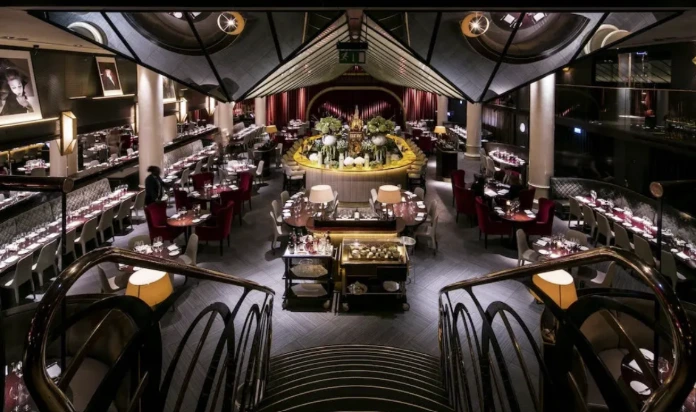
Music inside a restaurant is never just background noise. Even when we do not notice it immediately, the playlist changes the way we enter the space, the way we talk, the way we wait for food and even the way we remember the meal. A good restaurant playlist does not simply fill silence. It creates atmosphere, gives personality to the place and helps turn dinner into an experience.
In this post:
• Why Music Matters in Restaurants
• The Playlist as Part of the Brand
• How Sound Changes the Mood of a Meal
• Fast Food, Fine Dining and Different Listening Experiences
• Why the Right Playlist Makes People Stay Longer
• Restaurant Playlists and Music Discovery
• Final Thoughts
Why Music Matters in Restaurants
When we think about a restaurant, we usually think about food first.
The menu, the ingredients, the service, the design of the space, the lighting, the plates, the people we are with. Music often comes later, almost as something secondary. But in reality, music is one of the first things we feel when we walk in.
Before the food arrives, before we taste anything, the sound of the room is already telling us what kind of experience we are about to have.
A soft jazz playlist can make a restaurant feel intimate and elegant. A warm soul selection can make the space feel relaxed and welcoming. A house or disco playlist can make dinner feel more social, young and energetic. Even silence, if not intentional, can make a place feel cold or unfinished.
That is why restaurant playlists matter.
They help create the invisible part of the experience.
The food may be the main reason people come in, but the music helps decide how they feel while they are there.
The Playlist as Part of the Brand
A restaurant playlist says something about the identity of the place.
It tells customers whether the restaurant wants to feel elegant, casual, romantic, modern, traditional, international, cozy or energetic. It is almost like a hidden logo: people may not remember every song, but they remember the feeling the music created.
This is why restaurants that take music seriously usually feel more complete.
Everything matches.
The lighting, the interior design, the menu and the playlist all speak the same language. A small natural wine bar with indie, jazz and soft electronic sounds feels different from a beach restaurant playing tropical house and summer classics. A luxury hotel restaurant with piano, ambient and cinematic music feels different from a burger place playing upbeat rock and pop.
The playlist becomes part of the story.
It helps the restaurant say: this is who we are.
And when the music is wrong, people feel it immediately. A beautiful dinner can feel strange if the playlist is too loud, too aggressive or completely disconnected from the atmosphere. The food may still be good, but the experience feels less natural.
That is the power of music.
It can make a place feel coherent, or it can break the illusion.

How Sound Changes the Mood of a Meal
The interesting thing about restaurant music is that it changes the rhythm of the meal.
A slow playlist makes people relax, talk more calmly and stay longer. A brighter playlist gives more movement and energy to the room. Louder music can make a place feel exciting, but if it goes too far, it can also make conversation difficult.
This is why the best restaurant playlists are not random.
They are built around timing.
Lunch may need a different energy from dinner. A quiet weekday evening may need a different sound from a Saturday night. A coffee break in the afternoon is not the same as a late dinner with friends. The playlist should move with the space, not fight against it.
A good restaurant playlist knows when to stay in the background and when to give the room more personality.
It should not dominate the meal.
It should support it.
Personally, I think the best playlists are the ones you notice only in the right moments. You are talking, eating, enjoying the night, and suddenly a song comes in that perfectly matches the atmosphere. It does not interrupt the experience. It makes it better.
That is when music inside a restaurant really works.
Fast Food, Fine Dining and Different Listening Experiences
Not every restaurant needs the same type of playlist.
A fast food restaurant often needs music that feels quick, bright and familiar. The goal is movement. People come in, order, eat and leave. The playlist supports a faster rhythm.
A fine dining restaurant usually needs something more controlled. The music has to leave space for conversation, service and details. It cannot be too invasive. It should create elegance without becoming boring.
A trendy cocktail bar or modern bistrot can take more risks. These places often use music to create a stronger identity. Nu-disco, deep house, funk, Afro-house, indie pop or electronic sounds can help transform dinner into something closer to a social experience.
Then there are restaurants that use music almost like decoration.
Italian restaurants may use classic Italian songs to create familiarity. Japanese restaurants may use ambient or minimal sounds to suggest calm and precision. Beach restaurants often choose sunny, tropical or Balearic music to create a holiday feeling.
The point is simple: the playlist should match the promise of the place.
If the food says one thing and the music says another, the experience becomes confusing.
Why the Right Playlist Makes People Stay Longer
Music can influence how comfortable people feel in a space.
When the playlist is right, customers are more likely to relax, order another drink, stay for dessert or simply enjoy the evening without feeling rushed. The music creates emotional comfort.
This does not mean that every restaurant should play slow music.
It means that the sound should match the type of experience the restaurant wants to create.
A busy brunch spot may need energy. A romantic dinner spot may need warmth. A rooftop restaurant may need something more stylish and open. A wine bar may need music that feels intimate but not sleepy.
When the sound is right, people feel that the place understands them.
That is important because people rarely judge a restaurant only by the food. They judge the full memory: who they were with, how the room looked, how the staff treated them, what the food tasted like and how the atmosphere felt.
Music is part of that memory.
Sometimes, people return to a restaurant not only because they ate well, but because the whole evening felt good.
The playlist helps create that feeling.
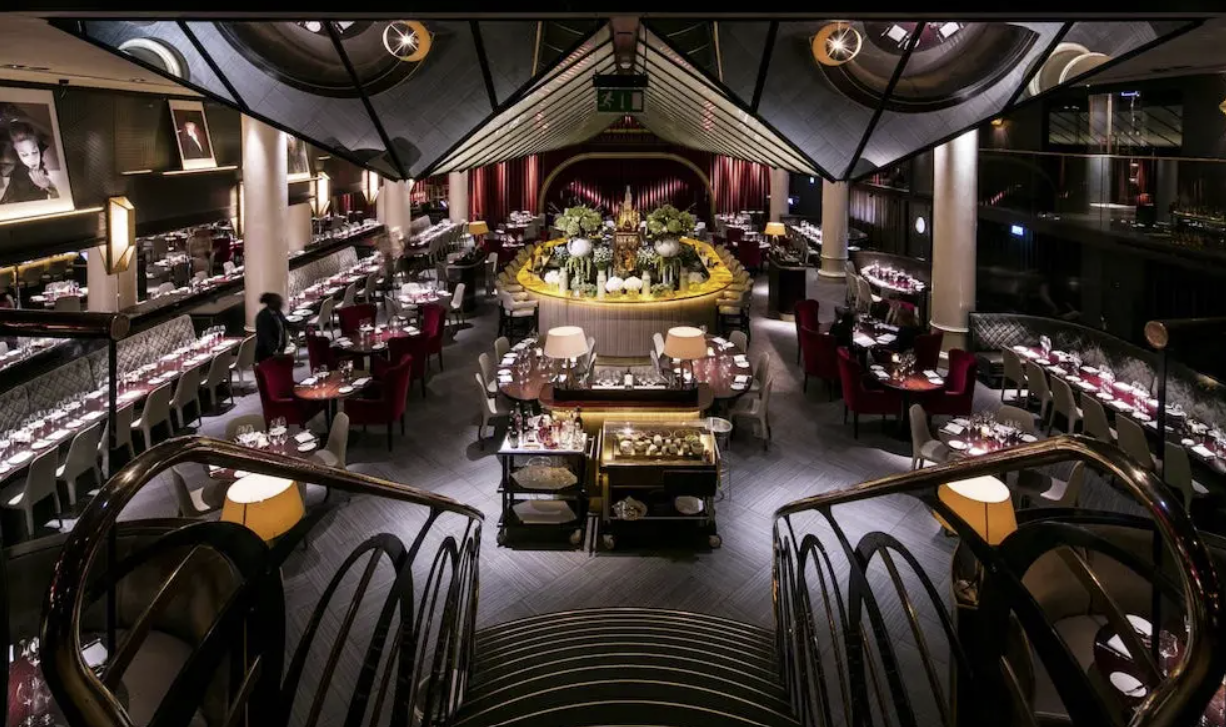
Restaurant Playlists and Music Discovery
Restaurant playlists can also become a powerful tool for music discovery.
Many people discover songs in cafés, bars, restaurants and shops without even looking for them. A track plays in the background, it matches the moment, and suddenly the listener wants to know what it is.
This is very interesting for artists and curators.
A restaurant playlist does not work like a normal personal playlist. It is shared by everyone in the room. It becomes part of a public experience. A song played in the right restaurant at the right time can feel more powerful than the same song heard alone at home.
This is why brands like Starbucks understood the value of music so well.
Music can extend the experience beyond the place itself. A customer hears a song in a café, saves it, follows the playlist, and takes that atmosphere home. In that moment, the playlist becomes part of the brand.
Restaurants can do the same.
A good Spotify playlist connected to a restaurant can become a way to keep the relationship alive after the meal. People can listen to it while cooking, working, driving or remembering a night out.
The restaurant becomes more than a place.
It becomes a mood.
Why This Matters for Playlist Curators
For playlist curators, restaurant music is a very useful way to think about selection.
A restaurant playlist must have taste, balance and context. It cannot be only a collection of good songs. It has to serve a specific environment.
That is also what makes a great playlist in general.
The best playlists are not random. They understand where they live. A gym playlist needs motivation. A summer playlist needs brightness. A study playlist needs focus. A restaurant playlist needs atmosphere.
This is why studying restaurant playlists can help any curator improve.
You start asking better questions.
Where will this music be played?
What feeling should it create?
Should it stay in the background or become part of the conversation?
Does the next song keep the mood or break it?
That is where playlist curation becomes more than choosing songs.
It becomes designing an experience.
Final Thoughts
Restaurant playlists change the way we experience food because they shape the emotional side of the meal.
The right music can make a room feel warmer, a dinner feel more special and a restaurant more memorable. It can support the brand, guide the rhythm of the evening and help customers feel connected to the space.
Food creates taste.
Music creates atmosphere.
Together, they create memory.
That is why restaurants should treat playlists with the same care they give to lighting, design and service. A good playlist does not need to be loud or obvious. It simply needs to belong to the place.
And when it does, the whole experience feels better.
For playlist curators, this is a perfect lesson: music is not only about tracks. It is about context. The same song can feel completely different depending on where, when and how it is played.
Inside a restaurant, a playlist can turn dinner into a story.
And sometimes, that story is what people remember most.
Playlist Tips Rating
Atmosphere Impact: 9.3/10
Brand Identity: 9/10
Music Discovery Potential: 8.8/10
Customer Experience: 9.2/10
Playlist Strategy: 9.1/10
Overall Relevance: 9.1/10