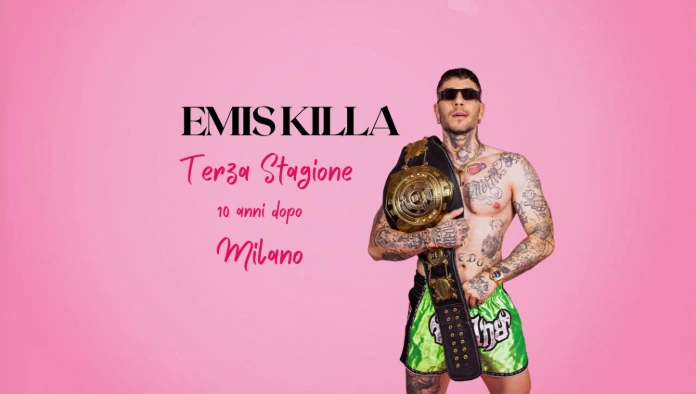
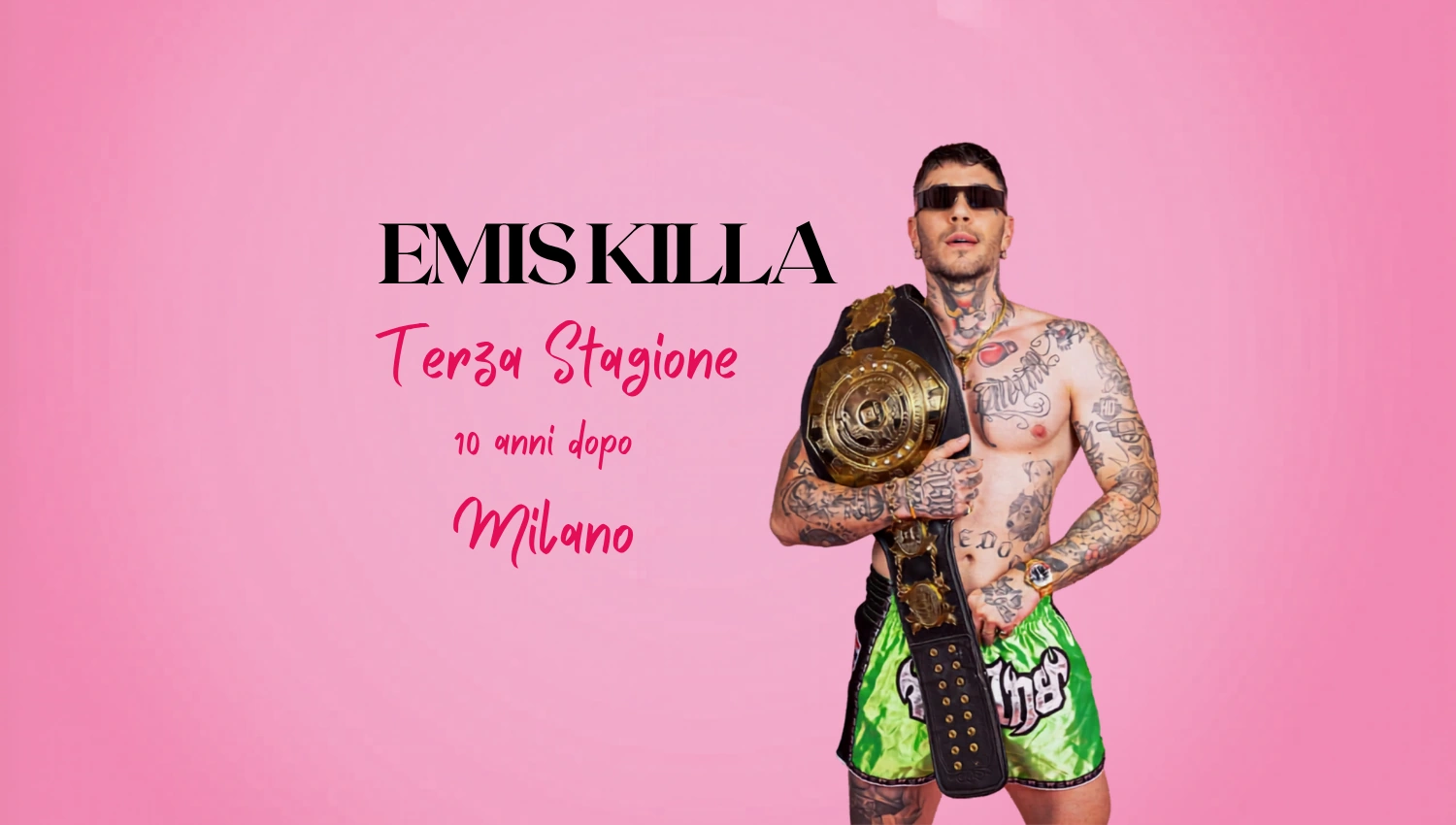
Ten years after one of the most important records of his career, Emis Killa is bringing Terza Stagione back to Milan for five sold-out shows at Magazzini Generali. For an artist whose story has always been deeply connected to the city, these dates feel less like an anniversary exercise and more like a return to where everything began.
In this article:
Milan Welcomes Emis Killa Back Home
Before the Platinum Records, There Was the Muretto
When L’Erba Cattiva Changed Everything
Why Terza Stagione Still Matters Ten Years Later
Five Nights in Milan, Five Sold-Out Shows
A Career That Has Never Stopped Moving
From Supereroe and 17 to Effetto Notte
Why These Shows Are About More Than Nostalgia
Emis Killa and Milan: A Story That Keeps Coming Back
The Full Milan Anniversary Dates
Milan Welcomes Emis Killa Back Home
There are artists who return to Milan because the city is simply another stop on a tour, and then there are artists whose careers are so closely tied to it that every return carries a different kind of weight.
For Emis Killa, Milan belongs firmly to the second category.
This October, the rapper will celebrate ten years of Terza Stagione with five sold-out shows at Magazzini Generali, scheduled for 14, 15, 21, 22 and 28 October 2026. What initially began as a special anniversary date quickly expanded as demand continued to grow, turning the celebration into a small residency in the city that shaped so much of his artistic identity.
It is an interesting choice of venue, too. Emis Killa has long since reached stages far bigger than Magazzini Generali, but that is exactly what gives these concerts their appeal. Rather than turning the anniversary into an oversized production, he is bringing the record back into a club environment, closer to the atmosphere in which much of his early reputation was built.
For longtime listeners, the dates are naturally a chance to revisit an album that marked a specific moment in Italian rap. For Emis himself, however, they also offer an opportunity to look back over almost two decades of music without treating the past as something frozen in time.ù
Before the Platinum Records, There Was the Muretto
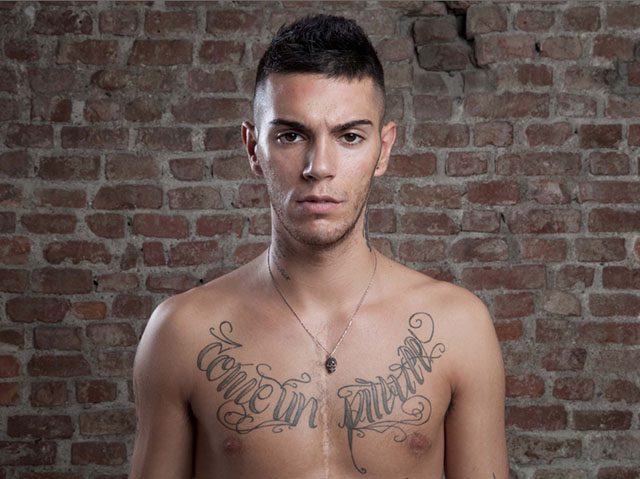
Long before the certifications, summer hits and large-scale concerts, there was Emiliano Rudolf Giambelli, born in Vimercate in 1989 and gradually finding his place inside Milan’s freestyle scene.
His early story is far removed from the polished career path associated with contemporary music. He attended technical school and later hospitality school without completing either course, worked jobs including construction while trying to fund his first recordings, and spent much of his teenage years developing his writing and freestyle technique.
Milan’s Muretto became one of the key spaces in that development.
During the 2000s, the area represented much more than a simple meeting point. It was one of the places where a generation of rappers could test themselves in person, exchange music and build reputations long before social media became the dominant route into the industry. Names such as Marracash, Guè and Jake La Furia were part of the wider Milanese rap world surrounding that period, while Emis Killa was still establishing himself primarily through battles.
His breakthrough arrived in 2007, when at just seventeen he entered Tecniche Perfette and won the national freestyle competition.
The victory gave him immediate credibility within the underground scene, but it did not suddenly turn his career into a mainstream success story. Instead, the following years were spent building slowly, first through Blocco Recordz and then through a series of mixtapes that circulated heavily among Italian rap listeners.
Keta Music arrived in 2009, followed by Champagne e Spine in 2010 and The Flow Clocker Vol. 1 in 2011. Those releases belonged to a very different era of Italian hip-hop, when mixtapes, forums, YouTube uploads and word of mouth could create a reputation before radio or major playlists became involved.
By the beginning of the next decade, Emis Killa was no longer simply a freestyle champion. He had become one of the names most clearly positioned to move from the underground into a much wider audience.
When L’Erba Cattiva Changed Everything
That transition happened with L’Erba Cattiva.
Released in 2012 after his move to Carosello, the album introduced Emis Killa to a public far beyond the battle rap circles that had followed him from the beginning. Most importantly, it contained “Parole di Ghiaccio,” the song that would become one of the defining records of his career.
The track revealed something that would remain central to Emis Killa’s music for years to come: he could move between technically sharp rap writing and a more accessible emotional language without sounding like two different artists.
That ability was crucial at a moment when Italian rap itself was changing rapidly.
Hip-hop was moving out of clubs and specialist magazines and into the centre of youth culture, television, radio and the charts. Emis arrived at exactly the right moment, but his success was not simply the result of timing. By the time the wider public discovered him, he had already spent years developing the technical foundations that gave his music credibility inside rap culture.
L’Erba Cattiva was followed by Mercurio in 2013, another major commercial step that confirmed he was not going to disappear after a single breakthrough album. From there, his career began opening in several directions at once, moving between street rap, pop structures, introspective writing and increasingly ambitious live shows.
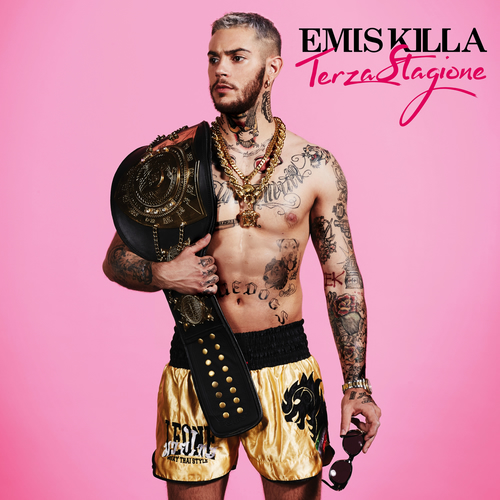
Then, in 2016, came Terza Stagione.
Why Terza Stagione Still Matters Ten Years Later
By the time Terza Stagione was released, Emis Killa was already a mainstream artist. That is partly what makes the album interesting.
Rather than leaning completely into the most accessible side of his success, the record pushed back toward a darker and more direct form of rap. It was not a return to the underground in any literal sense — Emis was far too established by then — but it felt like a deliberate attempt to reconnect with the instincts that had first shaped him as a rapper.
The title itself suggested a new phase.
There is more tension on the record, more awareness of the pressures surrounding success and more willingness to sit inside uncomfortable moods. At the same time, Terza Stagione never abandons the melodic instinct that had already become one of Emis Killa’s strengths. Instead, the album works because those two sides exist together.
Tracks such as “Cult,” “Dal Basso” and “Non Era Vero” sit alongside collaborations and more melodic moments, creating a record that feels suspended between different versions of his career.
Ten years later, that position has become even clearer.
Terza Stagione now stands almost at the midpoint between the young rapper who emerged from battles and mixtapes and the established artist who would later move through Supereroe, 17, Effetto Notte and a new generation of collaborations.
It is not necessarily the album that contains his biggest crossover moment, nor the record most casual listeners immediately associate with his name. Yet for many fans, it represents one of the points where the different sides of Emis Killa met most naturally.
That is why an anniversary tour around it makes sense.
Five Nights in Milan, Five Sold-Out Shows
The response in Milan suggests that the audience feels the same way.
The anniversary celebration was initially announced as a single date at Magazzini Generali on 14 October, but demand quickly led to additional nights. By the time the full run was announced, Emis Killa had five Milan concerts on the calendar, all of them sold out.
The final schedule includes 14, 15, 21, 22 and 28 October 2026, followed by another anniversary show at Orion in Rome in November.
Five sold-out dates in the same club say more than simply “strong ticket sales.”
For an artist who has already played much larger venues, choosing to repeat the same intimate room across several nights changes the dynamic completely. The audience is closer, the energy is less dispersed and songs written ten years ago can return in a space that feels much closer to the world they originally came from.
It also allows the anniversary to avoid becoming a museum piece.
These shows are not built around the idea that 2016 was somehow a better era that needs to be recreated exactly. Instead, they place Terza Stagione inside the artist Emis Killa has become since then, the difference matters.
A Career That Has Never Stopped Moving
One reason Emis Killa has remained relevant for so long is that his career has rarely followed a single sound for more than a few years.
After Terza Stagione, Supereroe pushed further toward melody and radio-friendly songwriting while still retaining rap at its core. Songs such as “Rollercoaster” and “Fuoco e Benzina” became some of his most immediately recognisable records from that period, showing just how comfortable he had become moving between rap and mainstream Italian pop without completely dissolving the identity he had built earlier.
Then came 17, the joint project with Jake La Furia in 2020.
On paper, the collaboration made perfect sense: two artists with deep roots in Milanese rap culture, both carrying years of history behind them, but each arriving from a different corner of the same scene. The result was much more street-oriented than some of Emis Killa’s previous work and reminded listeners how naturally he could still operate over harder production.
By that point, a younger generation of Italian rappers had already changed the sound of the scene around him. Trap had become dominant, streaming had transformed the way music was consumed, and many of the structures that existed when Emis started were disappearing.
Instead of trying to compete with those changes by pretending to be a new artist, he increasingly used them to reposition himself.
From Supereroe and 17 to Effetto Notte
That evolution became particularly clear with Effetto Notte in 2023.
The album was built around cinema, with the idea of treating songs almost like individual films inside a larger project. It showed an Emis Killa who had become more interested in atmosphere, narrative and perspective than simply proving technical ability.
By then, proving that he could rap was no longer the point.
The more interesting question was how far he could stretch the language around it.
His collaborations over recent years tell a similar story. Working alongside artists from different generations, including Lazza, Simba La Rue, Baby Gang and others — has allowed him to remain connected to the present without erasing where he came from.
At the same time, his live career has continued to grow.
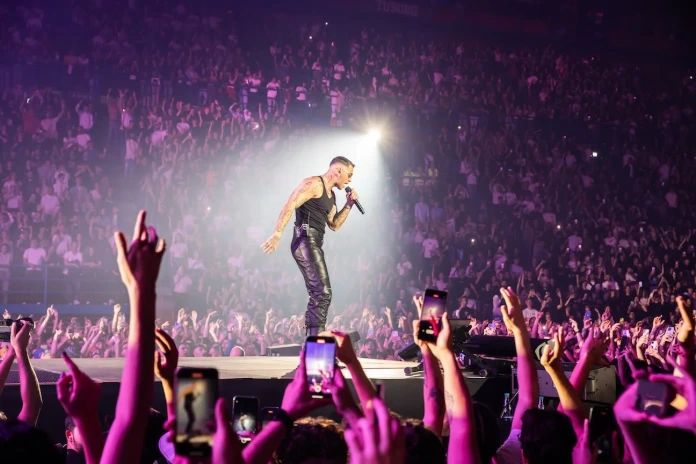
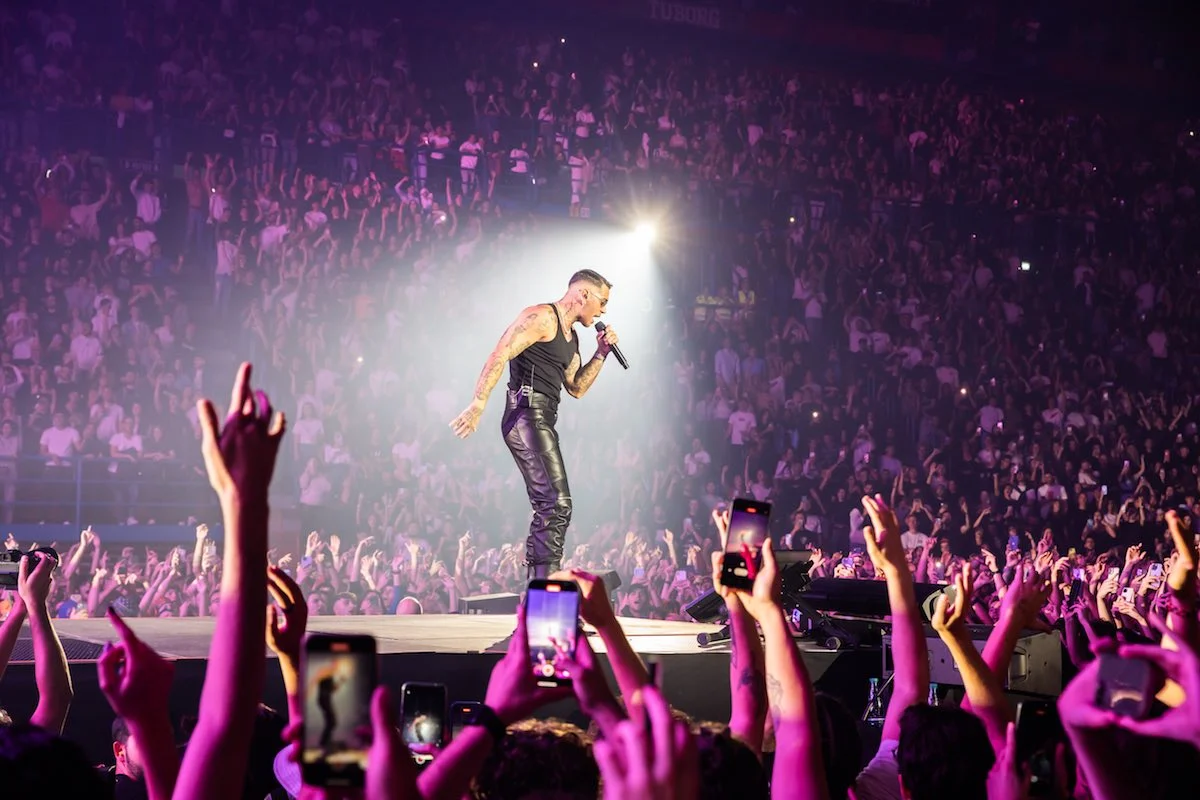
In 2024, EM15 at Fiera Milano Live became one of the largest celebrations of his career, bringing tens of thousands of people together for a show that looked back over fifteen years of music. Later came the No Phone Party at Fabrique, built around the simple but increasingly unusual idea of asking an audience to experience a concert without watching it through a screen.
Those events showed two very different sides of his relationship with live music: the scale of a career celebration and the intimacy of a club experience, the Terza Stagione anniversary sits somewhere between the two.
Why These Shows Are About More Than Nostalgia
Anniversary concerts can easily become predictable.
The album is played, the audience remembers where they were ten years earlier, the artist tells a few stories, and the evening becomes a carefully packaged version of nostalgia.
The Milan dates have the potential to work differently because Emis Killa never really disappeared between then and now.
The person performing Terza Stagione in 2026 is not returning after years away from music. He has continued releasing records, collaborating with younger artists, changing his sound and performing for increasingly large crowds, that makes the contrast more interesting.
Songs written when he was approaching thirty are now being performed by an artist with another decade of experience behind him. Lyrics inevitably land differently. Tracks that once represented the present have become part of a career history, while newer material provides a reminder that the story did not stop there.
For fans who were already listening in 2016, the concerts will inevitably carry memories. For younger listeners who discovered Emis Killa through later releases, they offer a chance to understand one of the records that helped connect different phases of his career.
And for both groups, the decision to stage the shows inside Magazzini Generali keeps the focus where it should be: on the songs.
Emis Killa and Milan: A Story That Keeps Coming Back
Milan has appeared so often throughout Emis Killa’s career that it is difficult to separate the artist from the city.
The early battles happened here. The Muretto culture that surrounded his development belonged to Milan. Many of the artists who shaped the same generation emerged from the same environment. His biggest career celebrations have repeatedly returned to the city, and his most recent live projects have continued to use Milan as both a destination and a starting point.
That relationship also reflects something broader about Italian rap.
For years, Milan was one of the places where the genre built its infrastructure before it became part of mainstream pop culture. Crews, labels, freestyle contests, clubs and independent releases all existed before streaming platforms made careers appear instantaneous.
Emis Killa belongs to the generation that experienced both worlds.
He remembers the period when recognition had to be built face-to-face, battle by battle and mixtape by mixtape, but he also became one of the artists who helped carry rap into the era of platinum singles, streaming numbers and huge live productions.
The October shows bring those two eras unusually close together.
A rapper who once built his reputation through freestyle battles will walk into a club in Milan with nearly twenty years of career behind him and perform a record that is itself already ten years old, and yet nothing about the demand surrounding the dates suggests a career living only on its past.
The Full Milan Anniversary Dates
Emis Killa – Terza Stagione: 10 Years Later
14 October 2026 — Magazzini Generali, Milan — SOLD OUT
15 October 2026 — Magazzini Generali, Milan — SOLD OUT
21 October 2026 — Magazzini Generali, Milan — SOLD OUT
22 October 2026 — Magazzini Generali, Milan — SOLD OUT
28 October 2026 — Magazzini Generali, Milan — SOLD OUT
The anniversary run will later continue with a special date at Orion in Rome on 5 November 2026.
Ten years after Terza Stagione, Emis Killa is not simply reopening an old chapter. He is placing it back inside the larger story of an artist who has spent almost two decades moving between the underground and the mainstream without completely belonging to only one of them.
In that sense, five nights at Magazzini Generali feel like the right way to celebrate it.
Not because they recreate the past, but because they bring it back into the room.