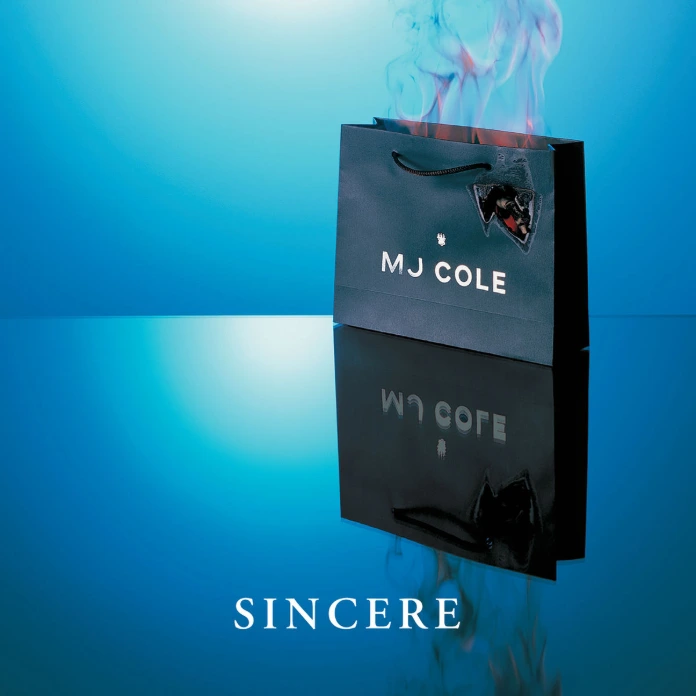

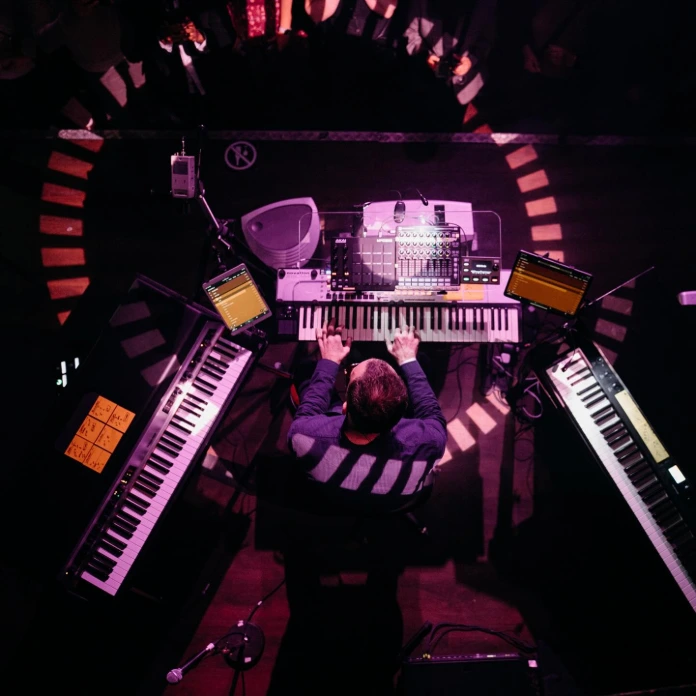
Released in 1998, “Sincere” remains one of the most influential records in British UK Garage history. Created in Matt Coleman's bedroom studio, the track transformed an unconventional approach to production into one of the defining sounds of London's underground electronic scene, helping bring 2-step Garage to a wider audience.
In This Article
From Classical Music to London's Underground Scene: Matt Coleman's musical education and his first encounters with electronic music and UK Garage.
The Birth of “Sincere”: How an experimental bedroom production became one of the genre's most recognisable records.
Pete Tong and the Breakthrough Moment: The role of radio support and the track's initial success in the UK charts.
The 2000 Reissue and the “Sincere” Album: The record's commercial breakthrough and the release of MJ Cole's debut album.
The Legacy of “Sincere” in UK Garage History: How the production helped shape the melodic and soulful identity of British Garage.
A Sound That Transcends the 1990s: Why the track continues to represent an important chapter in electronic music history.
Some records capture an entire musical era through just a few elements: an unmistakable bassline, an infectious rhythm and a melody that stays with you long after the music stops. “Sincere” by MJ Cole is undoubtedly one of them. Originally released in 1998, the track became one of the defining productions of the early UK Garage movement, standing out for its distinctive combination of club-ready grooves, soulful influences and sophisticated arrangements shaped by its producer's classical musical background.
Behind the name MJ Cole is Matt Coleman, a London-born producer whose journey into electronic music followed a rather unconventional path. Before becoming one of the most respected figures in British dance music, Coleman developed a strong classical foundation, eventually bringing together influences that might initially have seemed worlds apart.
His story is one of experimentation, musical curiosity and an ability to turn unconventional ideas into a distinctive sound.
From Classical Music to London's Underground Scene
Matt Coleman developed an interest in music at a very young age. He began studying piano when he was just five years old, later expanding his musical education to include the oboe and classical composition. His studies eventually took him to the Royal College of Music, where he further developed his understanding of harmony, arrangement and musical structure.
At first glance, this background had little in common with the emerging rave and club culture of the United Kingdom. However, it would eventually become one of the defining elements of his production style.
During his early years, Coleman became increasingly interested in music technology and electronic production. He explored jungle, drum and bass and the evolving sounds of British underground dance music, experimenting with samplers, sequencers and computer-based production.
After completing his studies, he began working as a sound engineer at Sound of the Underground, a record label associated with the drum and bass scene. He subsequently became involved with the growing UK Garage movement, working with different artists and developing a deeper understanding of the genre's distinctive rhythms.
It was within this environment that Coleman began shaping the musical identity that would eventually lead to “Sincere”.
The Birth of “Sincere”: An Experiment That Became a Classic
The story of “Sincere” began in 1998, when Coleman decided to combine his musical influences into a production of his own.
The track was created in his bedroom studio in Twickenham, far removed from professional recording facilities and major-label production budgets. The equipment behind the record reflected the technological landscape of the time: an Atari ST computer, an Akai MPC3000XL sampler and a collection of instruments and samples assembled through an experimental creative process.
In an interview with MusicRadar, MJ Cole explained how his initial lack of familiarity with traditional Garage production techniques actually became an advantage. Rather than trying to reproduce the established sound of the genre, he approached it through his own musical perspective.
The result was a slightly unconventional interpretation of UK Garage, built around sophisticated harmonies, carefully constructed chord progressions and atmospheric arrangements.
The vocal elements also played a crucial role in defining the track's identity. The voices of Jay Dee and Nova Caspar, taken from sampled material and reconstructed through carefully selected vocal fragments, gave the production its distinctive ethereal quality.
These elements were complemented by warm Rhodes electric piano sounds, adding emotional depth and melodic richness to the rhythm section.
Unlike many club productions of the period, which relied primarily on energy and rhythmic intensity, “Sincere” created a more atmospheric experience. Its intricate 2-step groove remained firmly rooted in dance music, while its melodic arrangements introduced a more sophisticated and soulful dimension.
Pete Tong and the Breakthrough Moment
Before becoming one of the defining records of British Garage, “Sincere” needed the support of influential figures within the underground music industry.
The track was initially released through Metrix Recordings in 1998, after attracting the attention of Arthur, a figure connected to independent record distribution. Despite some initial uncertainty about its commercial potential, the production gradually began gaining recognition among DJs and industry professionals.
A decisive moment came when Pete Tong, the legendary British DJ and BBC Radio 1 presenter, started playing the record on his Essential Selection radio show.
Repeated airplay helped introduce “Sincere” to a much wider audience, attracting attention from across the British dance music industry.
The single eventually reached number 38 on the UK Official Singles Chart in May 1998, while also climbing to the top of the UK Dance Chart.
Its growing popularity attracted the attention of Gilles Peterson, who offered Coleman a recording deal through his influential label Talkin' Loud. The agreement also opened the door to the production of a full-length album, marking a major turning point in MJ Cole's career.
The 2000 Reissue and the “Sincere” Album
Two years after its original release, “Sincere” returned with a new version, known as “Sincere (Re-Cue'd)”, featuring a fresh mix and additional reinterpretations of the original production.
Released in August 2000, the reissue arrived at a particularly important moment for UK Garage, as the genre was experiencing increasing commercial success across the United Kingdom.
This time, the single reached number 13 on the UK Official Singles Chart, firmly establishing MJ Cole as one of the leading names in British electronic music.
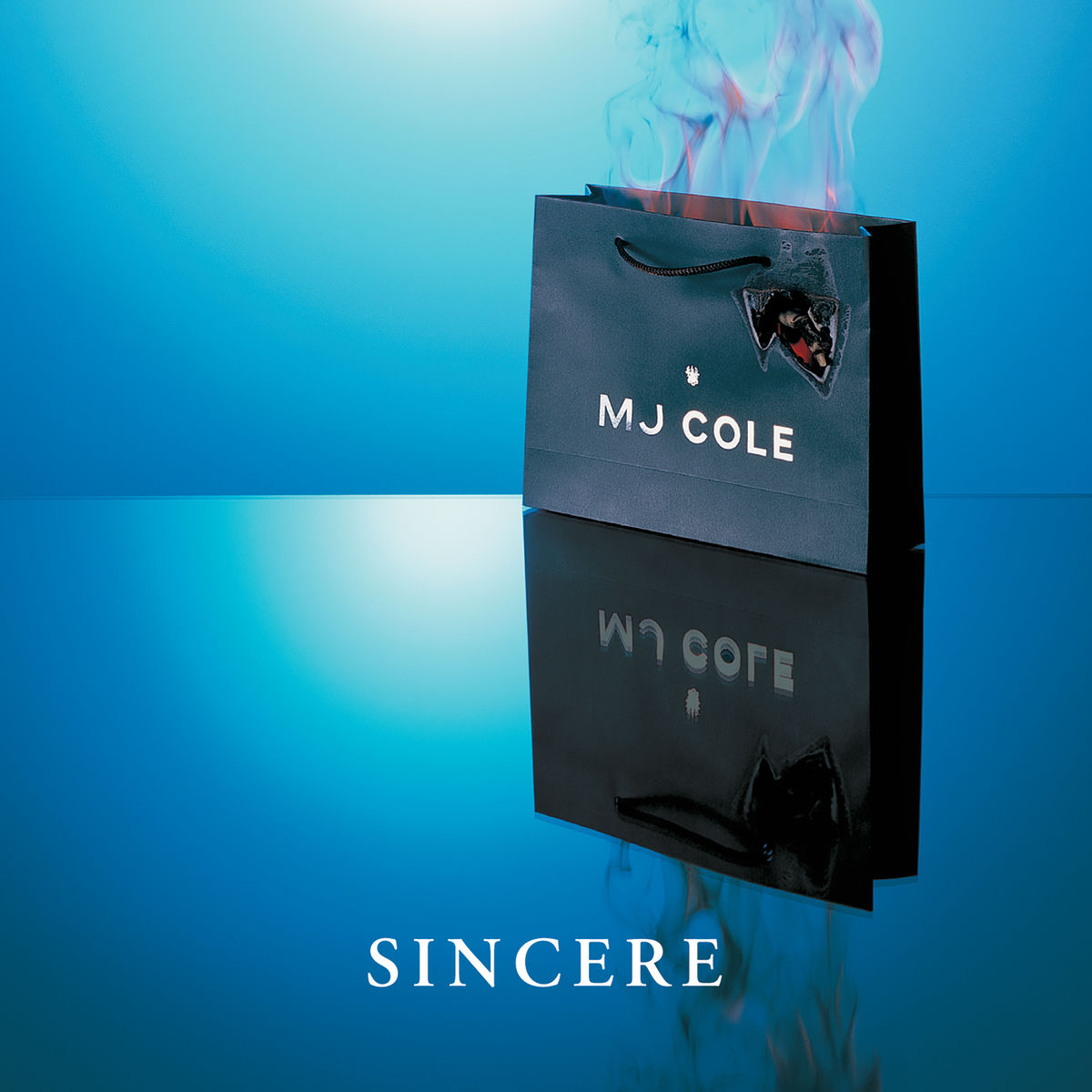
The same period also saw the release of “Sincere”, his debut studio album, issued through Talkin' Loud in August 2000.
Expanding on the musical foundations of the original single, the album explored a broader combination of UK Garage, house, soul and electronic influences.
It reached number 14 on the UK Albums Chart and received significant critical recognition, earning nominations at the BRIT Awards and the Mercury Prize. Cole's growing reputation was further strengthened by recognition at the MOBO Awards.
The album represented an important milestone not only for the producer himself, but also for the wider recognition of UK Garage as a genre capable of achieving both underground credibility and mainstream success.
The Legacy of “Sincere” in UK Garage History
To understand the importance of “Sincere”, it is essential to consider the musical landscape in which it was released.
By the late 1990s, UK Garage was developing its own identity through a combination of house, R&B, soul and influences from Britain's underground dance scene. The emergence of 2-step, with its distinctive syncopated rhythms and deep basslines, was becoming one of the defining characteristics of this evolution.
Within this context, MJ Cole helped demonstrate that Garage could be much more than music designed exclusively for the dancefloor.
Through sophisticated arrangements, rich harmonic structures and a strong emphasis on melody, he introduced a different musical sensibility into the genre.
The influence of “Sincere” extended well beyond its original commercial success. The track became an important reference point for producers and DJs interested in exploring the more melodic and atmospheric side of UK Garage, remaining relevant to subsequent generations of electronic music artists.
Its importance lies particularly in its ability to connect two seemingly different worlds: traditional musical education and the immediacy of underground club culture.
A Sound That Transcends the 1990s
More than twenty-five years after its original release, “Sincere” remains one of the most compelling examples of how experimentation can develop into a distinctive musical identity.
Its story also highlights an important principle of electronic music production: the value of not simply following the established rules of a genre.
MJ Cole was not trying to create the perfect Garage record according to the conventions of the time. Instead, he developed his own interpretation, bringing together his classical training, studio experience and exposure to London's underground club scene.
This combination ultimately transformed “Sincere” into something much greater than a successful dance record.
Born in a bedroom studio, built with the technology of its time and shaped by an unconventional creative vision, the track became one of the most important milestones in British UK Garage history.
A timeless production that continues to capture the moment when London's electronic music scene was finding a new direction.