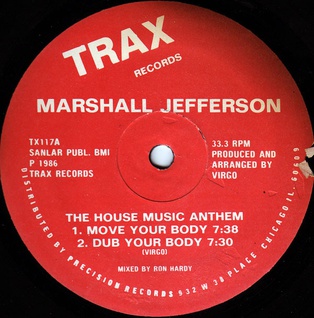
Some records dominate the charts for a season. Others become part of music history, influencing generations of producers long after their release. "Move Your Body (The House Music Anthem)" by Marshall Jefferson belongs firmly to the second category.
Released in 1986 under the alias On the House, the track arrived during the early years of Chicago house music, when the genre was still taking shape inside underground clubs rather than festival main stages. What made "Move Your Body" different wasn't simply its infectious groove—it was the emotion hidden inside the production. By introducing uplifting piano chords, soulful vocals and an irresistible sense of optimism, Marshall Jefferson created a record that would forever change the sound of dance music.
Nearly forty years later, "Move Your Body" remains one of the most celebrated house records ever produced, continuing to inspire DJs, producers and clubbers across every generation.
In this post
- The birth of Chicago house
- Marshall Jefferson's musical vision
- Why the piano changed everything
- The song that united dancefloors
- Its influence on modern electronic music
- Final Thoughts
Chicago: Where house music found its heartbeat
To understand the importance of "Move Your Body," it's impossible not to start in Chicago during the mid-1980s.
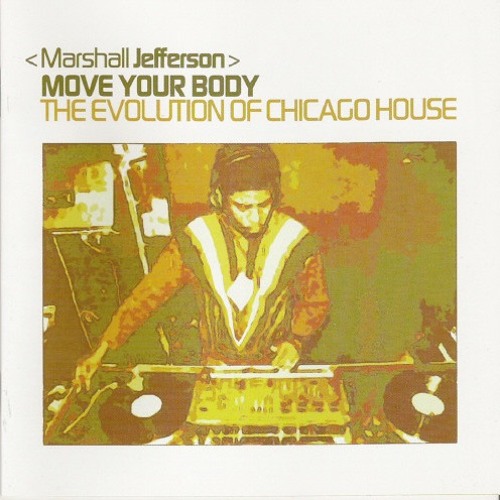
Inside legendary clubs like The Warehouse and The Music Box, DJs such as Frankie Knuckles, Ron Hardy and Marshall Jefferson were experimenting with drum machines, disco records and synthesizers, gradually creating what would soon become known as house music.
Most productions of the time focused on repetitive rhythms designed for the dancefloor. They were functional, hypnotic and energetic, but rarely emotional.
Marshall Jefferson believed house music could become something more.
He imagined a record that could make people dance while simultaneously making them smile.
That vision would eventually become "Move Your Body."

A piano riff that rewrote the rules
The defining moment of the record arrives within seconds.
Those bright piano chords immediately transformed the atmosphere, introducing a warmth that few house productions had explored before. Today, piano house feels completely natural, but in 1986 it was an almost revolutionary decision.
Jefferson wasn't trying to create a commercial record.
He simply followed what sounded right to him.
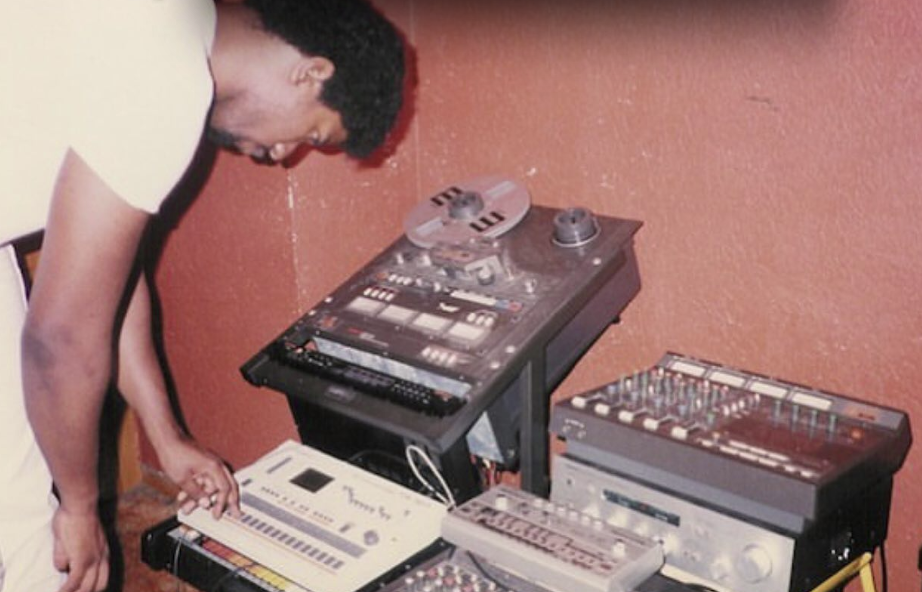
The combination of the Roland drum machines, soulful vocals and expressive piano created a completely new emotional language for house music. Suddenly, electronic music wasn't only mechanical, it could also feel joyful, uplifting and deeply human.
That single creative decision would influence thousands of producers over the following decades.
Simple lyrics, universal emotion
Unlike many iconic songs remembered for elaborate storytelling, "Move Your Body" communicates through simplicity.
The repeated invitation to "move your body" became more than just a vocal hook. It represented the entire philosophy of early house culture: inclusion, freedom and collective celebration.
Inside Chicago's clubs, race, background and social status disappeared once the music started.
Everyone shared the same dancefloor.
That universal message helped the record travel far beyond Chicago, eventually becoming one of the songs that introduced house music to audiences throughout Europe, particularly in the United Kingdom, where the emerging rave scene embraced its uplifting energy almost immediately.
The birth of piano house
It would be difficult to imagine modern house music without "Move Your Body."
The record effectively established the blueprint for what later became known as piano house, inspiring an entire generation of producers throughout the late 1980s and early 1990s.
Artists across Europe adopted Jefferson's formula, combining energetic drum patterns with emotional piano melodies to create records that balanced club functionality with genuine musicality.
Its influence can still be heard today.
Whether in classic vocal house, modern festival anthems or contemporary melodic productions, the DNA of "Move Your Body" remains unmistakable.
Few records have shaped an entire genre so profoundly.
Why DJs still play it nearly forty years later
Dance music evolves incredibly quickly.
Genres appear, disappear and constantly reinvent themselves.
Yet every year, "Move Your Body" continues to find its way into DJ sets around the world.
Part of that longevity comes from its timeless arrangement. Nothing feels excessive. Every musical element serves a purpose, allowing the groove to breathe naturally while the piano provides moments of pure euphoria.
The record doesn't rely on fashionable production techniques or temporary trends.
Instead, it captures something far more powerful: the pure joy of dancing together.
That feeling never goes out of style.
Marshall Jefferson's greatest legacy
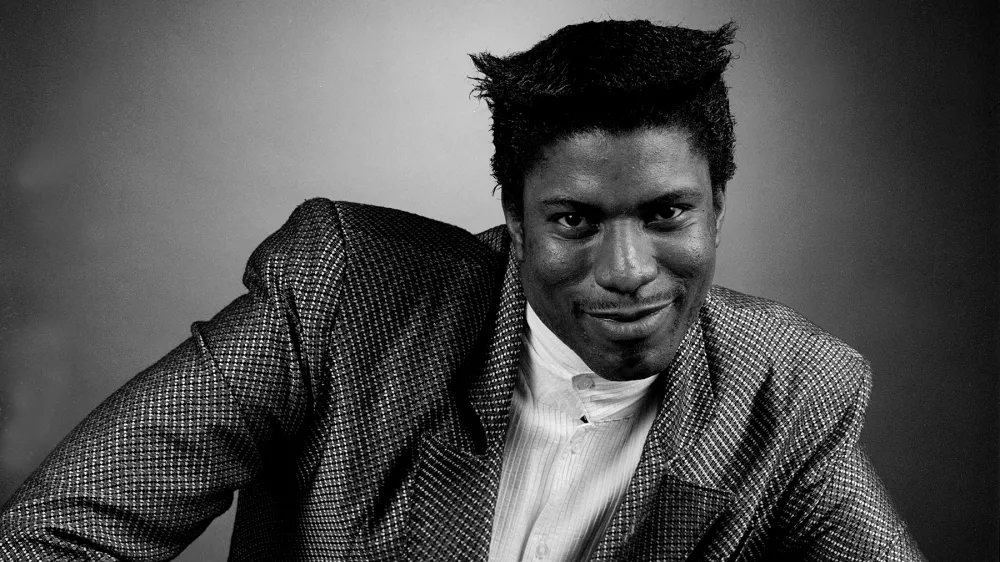
Marshall Jefferson has produced many influential records throughout his career, but "Move Your Body" remains his defining masterpiece.
More than simply creating a successful house record, he demonstrated that electronic music could express genuine emotion without sacrificing dancefloor energy. His approach fundamentally changed how producers thought about melody, harmony and musical storytelling within club music.
Without "Move Your Body," the evolution of house music, and perhaps electronic music as a whole—would have looked very different.
Its influence stretches from the original Chicago underground to today's biggest festivals, connecting generations of artists through one unforgettable piano melody.
Final Thoughts
Some songs become classics because they define a particular moment.
"Move Your Body" became timeless because it helped define an entire genre.
Marshall Jefferson transformed house music from a local underground movement into something capable of connecting audiences across continents, proving that electronic music could be uplifting, emotional and universally accessible at the same time.
Nearly four decades after its release, the record still feels remarkably fresh.
Its piano remains instantly recognisable.
Its groove remains impossible to resist.
And its message remains just as relevant today as it was inside Chicago's underground clubs in 1986.
Sometimes, the greatest dance records aren't remembered because they were the biggest.
They're remembered because they changed everything that came after.
Track Breakdown
Production
Minimal yet incredibly effective, blending classic drum machines with one of dance music's most iconic piano riffs.
Songwriting
Simple, direct and unforgettable, transforming a few words into one of house music's most universal messages.
Legacy
Few electronic tracks have influenced the evolution of house music as profoundly as "Move Your Body," making it one of the genre's true cornerstones.
Replay Value
Whether played in an intimate club or on a festival main stage, the track still delivers the same uplifting energy nearly forty years after its release.