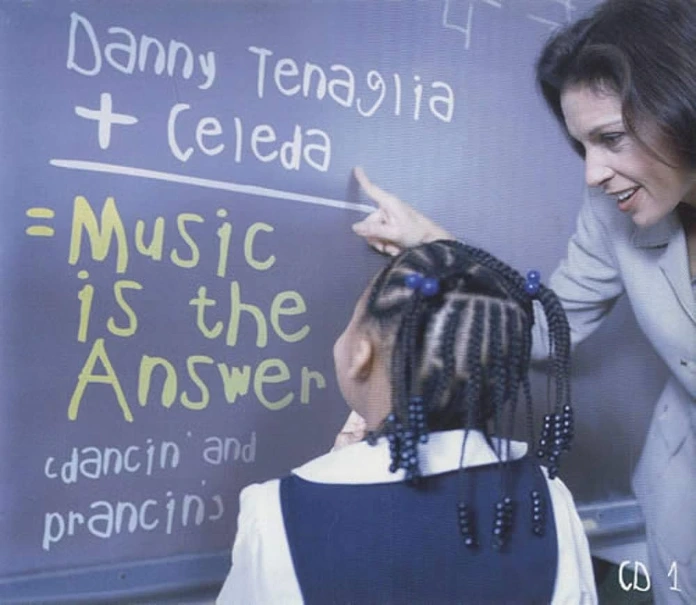

Some house records survive because of a bassline, a vocal or a moment in club history. Danny Tenaglia and Celeda’s “Music Is the Answer” survived because it managed to turn the entire philosophy of the dancefloor into one simple sentence.
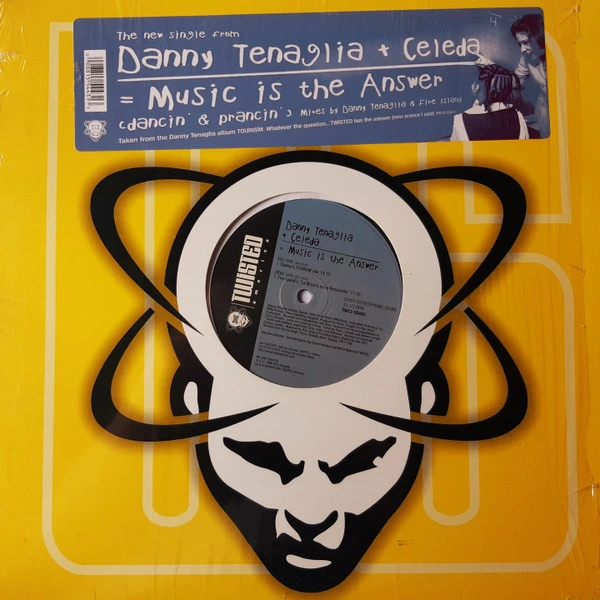
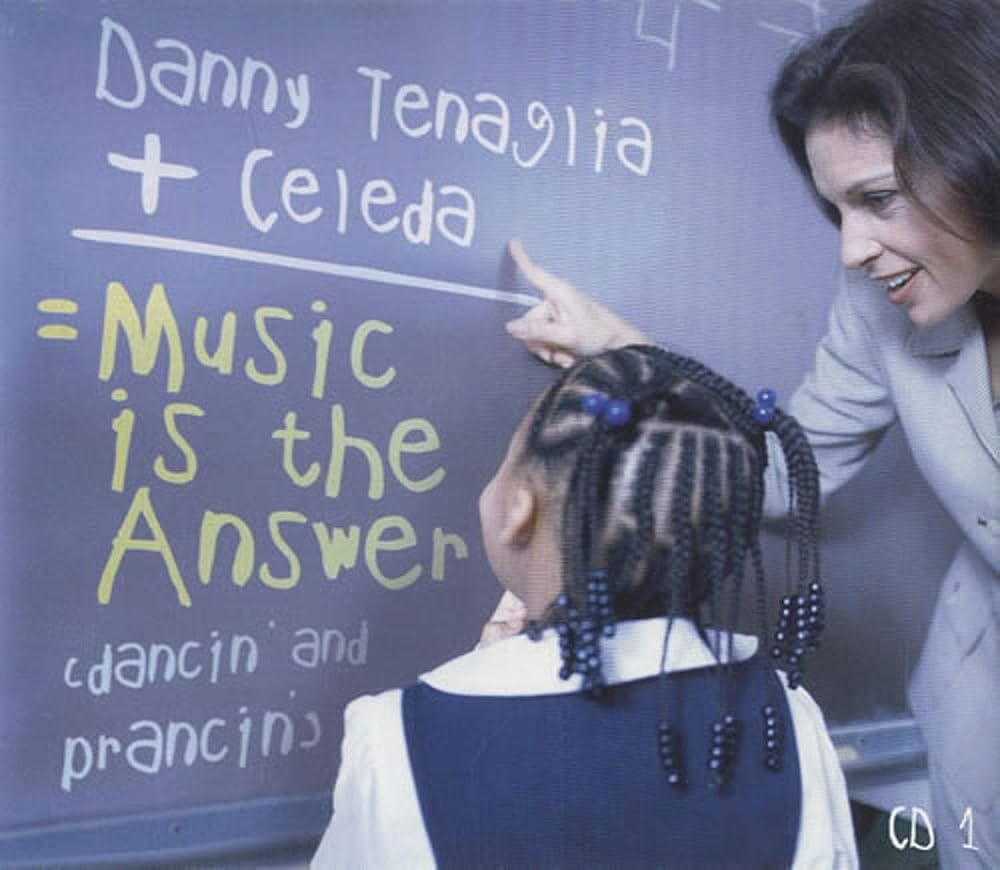
Released in 1998 as part of Danny Tenaglia’s Tourism era, “Music Is the Answer (Dancin’ and Prancin’)” became one of those rare house records whose message eventually grew larger than the track itself. More than twenty-five years later, its central refrain still appears in clubs, festivals and DJ sets across generations, functioning less like a lyric and more like a statement of belief.
The story behind it is surprisingly simple. There was no complicated writing camp, no calculated attempt to create a crossover anthem and no elaborate concept developed over months. According to Tenaglia, Celeda called him with an idea for a song and sang the phrase that would eventually become one of dance music’s most recognisable vocal lines. The two met in New York and completed the track during a single studio session.
What emerged was deeply connected to the history that had shaped Tenaglia as a DJ: Paradise Garage, New York house, disco, soulful vocals and the belief that a dancefloor could become something more meaningful than a room full of people moving to a beat.
That is why “Music Is the Answer” still feels different, it is a club record about the reason people go to clubs in the first place.
In this article:
How Celeda's phone call started “Music Is the Answer”
Danny Tenaglia's journey from Brooklyn to New York club culture
The influence of Paradise Garage and Larry Levan
Why the track arrived at a crucial moment for house music
Celeda's vocal and the message behind the song
Sound breakdown: piano, organ, bass and groove
The importance of the extended mixes
How “Music Is the Answer” crossed from New York to Europe
Why the record still works more than twenty-five years later
The lasting meaning behind one of house music's simplest lyrics
Before “Music Is the Answer”: Danny Tenaglia and the New York dancefloor
To understand why “Music Is the Answer” sounds the way it does, it helps to understand the environment that shaped Danny Tenaglia long before the record existed.
Born and raised in Brooklyn, Tenaglia became obsessed with records and DJ culture at a young age. By his late teens he was regularly visiting Paradise Garage, the legendary New York club where Larry Levan's marathon sets helped redefine what a DJ could be.
Paradise Garage was not built around short, functional sets or the constant search for recognisable hits. Levan could move between disco, soul, electronic music, post-punk and house precursors over the course of a night, creating an emotional journey in which the DJ was responsible not simply for playing records but for shaping the atmosphere of the entire room.
That approach left a profound impression on Tenaglia.
He later moved to Miami in the mid-1980s, where his early residencies allowed him to introduce elements of New York and Chicago house to a scene already heavily influenced by Latin music and electro. When he returned to New York around 1990, the city's club culture was changing, and Tenaglia gradually developed a musical identity that combined the soulful traditions of disco and house with increasingly powerful, tribal and technologically driven rhythms. Insomniac describes the combination as the “hard & soul” approach that became associated with his productions and DJ sets.
By the middle of the decade he was no longer simply another New York DJ. Residencies at clubs including Twilo, Tunnel and later Vinyl placed him at the centre of one of the most competitive and creatively important nightlife scenes in the world.
“Music Is the Answer” would emerge from that world, but its message would reach far beyond it.
The phone call that started everything
The beginning of the record was remarkably direct.
In 1998, vocalist Celeda contacted Tenaglia with the idea for a song. During the phone call she sang the concept that would become the heart of the track, built around a message so simple that it almost sounded inevitable once it existed.
Music is the answer, Tenaglia immediately understood its potential, The two met in New York, went into the studio and completed the song in a single session.
That simplicity matters because “Music Is the Answer” never sounds like a record searching for its identity. From the beginning, everything is organised around one idea. The arrangement does not compete with the vocal, and the vocal does not attempt to tell an overly complicated story. Instead, production and lyric repeatedly reinforce the same feeling.
When life becomes difficult, when the outside world becomes overwhelming and when words stop being enough, the dancefloor offers another language, music becomes the answer.
It is one of the oldest ideas in club culture, but Tenaglia and Celeda condensed it into a phrase that could be understood immediately by almost anyone standing in front of a sound system.
A house record arriving at a changing moment
The timing of the release was significant.
By 1998, New York's traditional house and disco culture was sharing space with increasingly harder and more futuristic forms of electronic music. Progressive house and trance were becoming major forces internationally, while DJs such as Sasha and John Digweed represented a different vision of long-form club music that was gaining enormous influence in Europe and the United States.
Tenaglia was aware of those changes, but “Music Is the Answer” did not abandon his roots in order to follow them.
Instead, the record looked backwards and forwards at the same time.
Its piano and organ textures recalled the warmth of classic New York house, while the rhythm and extended arrangements possessed enough weight to function inside the increasingly powerful club systems of the late 1990s. Insomniac notes how the track deliberately evoked the piano melodies and organ stabs associated with earlier New York house at a moment when much of the scene was becoming fascinated by European progressive sounds.
That tension is part of what makes the record interesting today, it feels soulful without sounding delicate, it feels classic without becoming nostalgic.
And it has enough rhythmic force to sit comfortably inside a long underground DJ set without sacrificing the emotional centre of the song.
Celeda and the power of one simple message
The vocal is what transforms the production from an excellent house record into something much larger.
Celeda does not approach the song like a conventional pop singer trying to dominate the instrumental. Her performance works more like a voice emerging from inside the club itself.
The words are direct and repetitive because repetition is part of their purpose.
In house music, a vocal phrase does not always need to develop through verses and choruses in the traditional sense. Sometimes repetition changes the function of language. A sentence heard once communicates information; the same sentence heard repeatedly over a powerful groove begins to function like a mantra.
That is exactly what happens here, the phrase becomes increasingly detached from ordinary conversation until it starts to represent the feeling of the entire room.
This tradition runs deeply through house music. The genre has always contained records that speak directly about music, dancing, freedom, release and the communal experience of the club itself. Insomniac places “Music Is the Answer” within that history of self-referential house records, where repeated vocal declarations become part of the physical and emotional experience of dancing.
Celeda's performance understands that instinctively, she is not explaining why music is the answer, she is making you feel that it is.
Sound breakdown
The production of “Music Is the Answer” is effective because almost every element is designed to serve the groove and leave space around the vocal.
There is no need for an enormous modern drop or constant arrangement changes. The track develops through repetition, subtle variation and the gradual accumulation of energy, reflecting the way Tenaglia approached extended DJ sets.
Rather than demanding attention every few seconds, it allows listeners to enter the groove, that distinction is fundamental.
A large part of modern electronic music is designed around anticipation and release: build tension, reach the drop, reset and repeat.
“Music Is the Answer” belongs to another tradition, the reward is the groove itself.
The piano and organ
The keyboard elements immediately connect the record to classic house.
Warm piano chords and organ-like textures give the production a soulful character that contrasts with the physical weight of the drums. They do not attempt to create an elaborate melody; instead, they establish a harmonic environment that feels familiar, uplifting and deeply rooted in New York dance music.
This is one of the reasons the record has aged so well.
The sounds are unmistakably connected to house music history, but they are not dependent on a short-lived production trend. Piano, organ, voice, bass and drums were already fundamental tools of the genre, and Tenaglia uses them without overcomplicating the arrangement.
The result feels timeless because the production does not try too hard to sound futuristic, it simply tries to sound right on a dancefloor.
The groove
Underneath the vocal sits the element that ultimately carries the entire record: the groove.
The kick provides the constant four-on-the-floor foundation, while percussion and rhythmic details gradually create movement around it. The low end remains physical without overwhelming the rest of the mix, giving the track the kind of rolling momentum required for a long club session.
Tenaglia's background as a DJ is particularly noticeable here.
The arrangement feels designed by someone who understands what happens when a record is played at three or four in the morning rather than simply listened to at home, elements enter slowly, patterns repeat long enough for the body to understand them.
Transitions have room to breathe, the track is not constantly asking where it should go next because it understands the value of staying exactly where it is, that restraint is one of its greatest strengths.
The vocal as percussion
Celeda's voice carries meaning, but it also becomes part of the rhythm.
The repetition of the central lines interacts with the beat almost like another percussion instrument, creating a call-and-response relationship between language and groove.
This is particularly effective in the extended versions, where the vocal can disappear for long periods before returning and immediately changing the emotional character of the room.
Tenaglia would later use this principle extensively in his DJ sets and compilations, allowing vocals and a cappellas to appear over different tracks as callbacks to earlier moments in a set. On his 1999 Global Underground: Athens compilation, “Music Is the Answer” appeared both as a brief vocal moment and through the extended D-Tour Groove Mix, reinforcing how flexible the record had become as a DJ tool.
The song could function as a complete production, but its individual elements could also live independently inside a set, that is a sign of exceptional dancefloor design.
Why the extended versions matter
Understanding “Music Is the Answer” through a short radio edit only tells part of the story.
The original club versions stretch the idea across a much larger space, allowing the groove to develop patiently. The track appeared on Tenaglia's 1998 album ** Tourism **, whose version runs for more than nine minutes, while other mixes extended the concept even further.
That length was not excessive within the club culture from which the record emerged, it was functional.
DJs needed time to blend records together, introduce elements gradually and manipulate the energy of a room. Long intros, instrumental sections and extended outros were part of the language of the format.
In that environment, a song was not necessarily a fixed three-minute object, it was material for the DJ.
Tenaglia understood that better than almost anyone, because he had spent decades learning how to make records communicate with one another across marathon sets.
From New York to Europe
Although deeply rooted in New York house culture, “Music Is the Answer” travelled far beyond the city.
The record became part of Pete Tong's Essential Selection compilations and later appeared within Tenaglia's influential Global Underground: Athens mix, helping introduce his particular combination of New York soul and harder club rhythms to a broader European audience.
Its commercial performance was respectable rather than pop-dominating: the single reached No. 36 on the UK Singles Chart, while becoming far more significant within dance music itself, reaching No. 1 on the UK's Official Dance Singles Chart in 1998.
That difference is important.
“Music Is the Answer” did not need to become one of the biggest mainstream singles of its year to become one of the records people still associate with the era, its real life happened in clubs.
A chart measures how many records people buy during a particular period, a dancefloor classic is measured differently, it is measured by how many DJs continue carrying it with them after the chart has moved on.
The connection with Paradise Garage
Behind the production lies an even deeper historical thread.
Tenaglia has repeatedly spoken about the influence of Paradise Garage and Larry Levan on his understanding of DJing. He began visiting the club when he was young, absorbing an approach in which musical genres mattered less than emotional continuity and the relationship between the DJ and the people on the floor.
“Music Is the Answer” can be heard as an extension of that philosophy, the message is inclusive rather than exclusive, there is no technical knowledge required to understand it.
No scene credentials, no explanation of genre.
The idea is almost deliberately universal: when people gather around music, divisions can temporarily become less important than the shared experience taking place in the room.
This is also part of why the song remains closely associated with the values of traditional house culture community, release, freedom and self-expression.
Those ideas existed before the record, Tenaglia and Celeda simply found one of the clearest ways of expressing them.
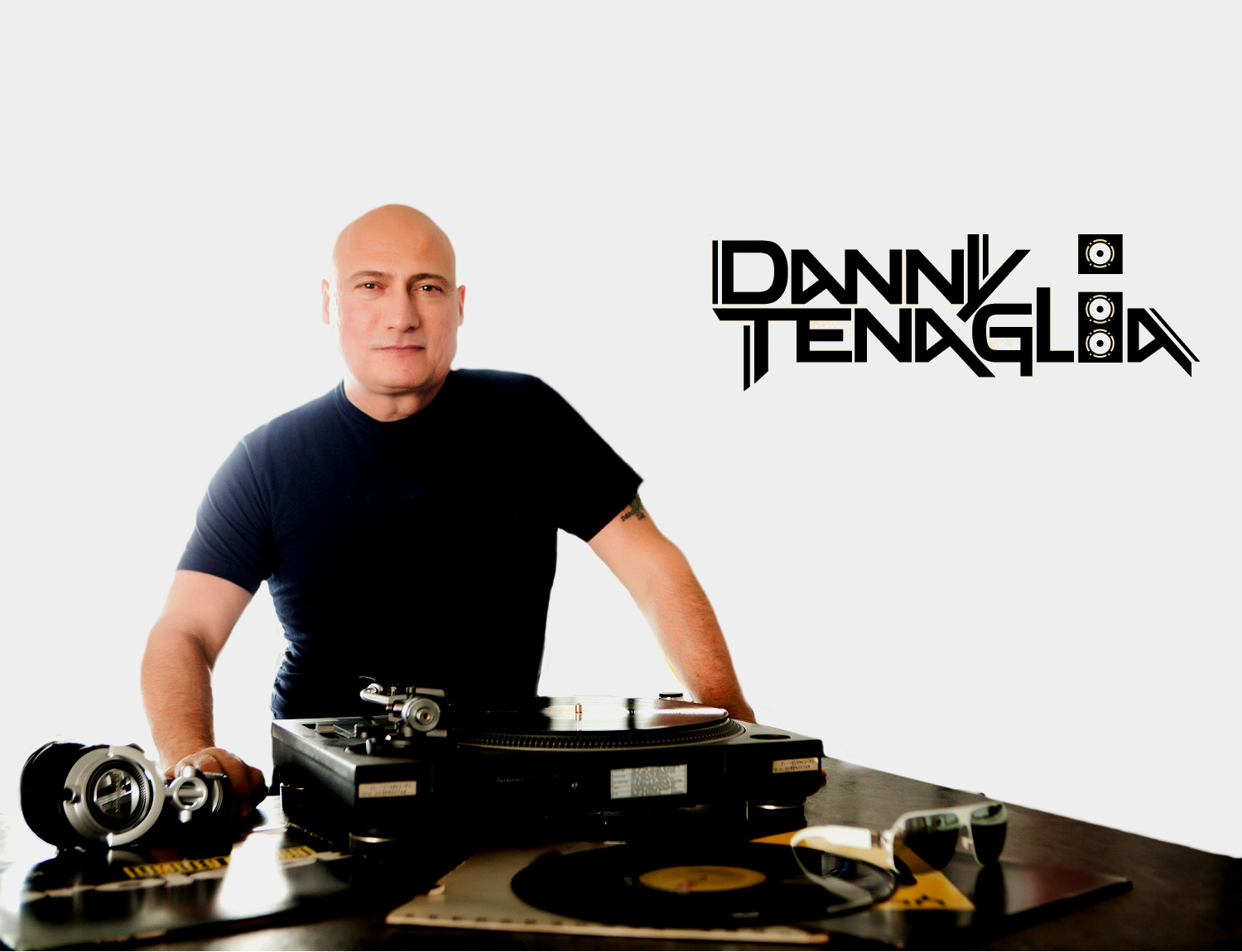
More than a slogan
After decades of repetition, “music is the answer” could easily have become a cliché.
Yet the track continues to prevent that from happening because of where the phrase lives.
Inside the record, it is not presented as a motivational slogan printed on a wall. It exists inside bass, drums, sweat, repetition and the physical environment of the club, that context changes its meaning.
The phrase works because dance music has always offered forms of temporary escape and community that can be difficult to reproduce elsewhere. For generations of listeners, the club has provided a place where identity can be expressed differently, where strangers can share an experience without needing to speak and where a DJ can change the emotional direction of thousands of people simply by choosing the next record.
Tenaglia's own career reflects that philosophy, half a century after beginning his journey behind the decks, he continues to speak about DJ culture not simply in terms of technique but in terms of atmosphere, community and the almost transcendent moments that can happen when everything inside a room aligns.
“Music Is the Answer” is perhaps the clearest musical expression of that worldview.
Why “Music Is the Answer” still works
Dance music production has changed enormously since 1998.
Software replaced much of the hardware that defined earlier studios. Tracks became louder and increasingly compressed. Festival culture transformed arrangement structures. Genres divided, merged and divided again, while streaming changed how listeners encounter electronic music altogether.
Yet very little of what makes “Music Is the Answer” effective depends on any of those things.
Its foundation remains simple, s strong groove, warm keys, a recognisable voice, space, repetition.
A message that almost anyone can understand, that combination allows the record to exist beyond nostalgia, someone who danced to it in a New York club in 1998 can hear their own history inside it, but a listener discovering it for the first time today does not need those memories to understand why it works.
The production may identify the period, the feeling does not.
Final thoughts
The story of “Music Is the Answer” is unusual because one of house music's most enduring messages began with something as ordinary as a phone call.
Celeda had an idea, she sang it to Danny Tenaglia, they met in New York. and within a single studio session, that idea had become a record.
Everything that happened afterwards its place on Tourism, its circulation through New York clubs, its journey into Europe, the extended mixes, compilations and decades of continued DJ support gave the track scale, but none of those things explains its longevity completely.
The real reason is simpler the Tenaglia and Celeda found words for something dance music had been expressing long before 1998.
The piano gives the record warmth, the drums give it movement.
Celeda gives it humanity, Tenaglia gives it space to breathe.
But the idea at the centre belongs to everyone who has ever walked onto a dancefloor looking for something they could not find outside it.
More than twenty-five years later, styles have changed, clubs have disappeared, new ones have opened and generations of DJs have come and gone.
The answer remains the same.
Music.