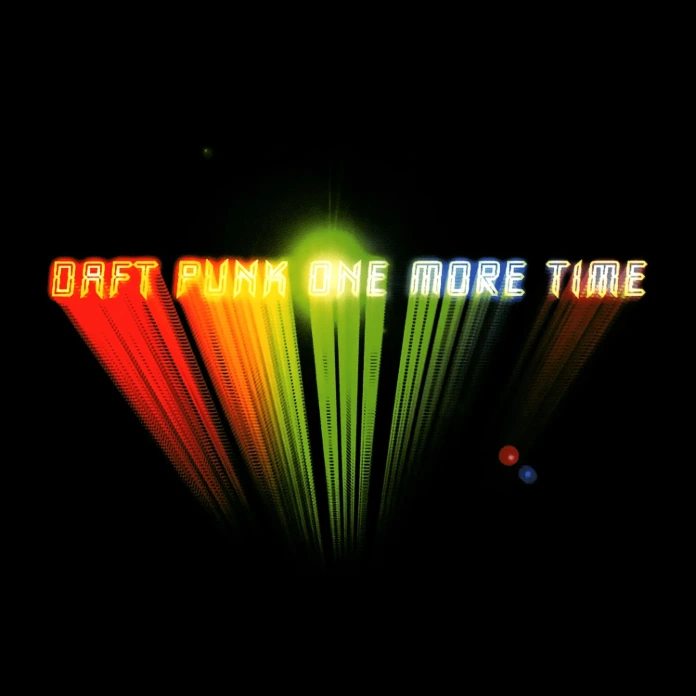
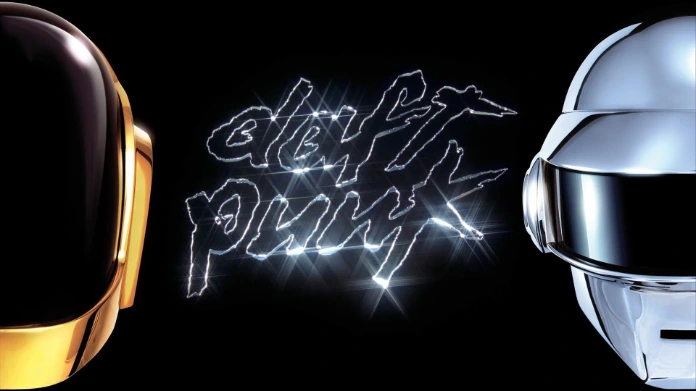
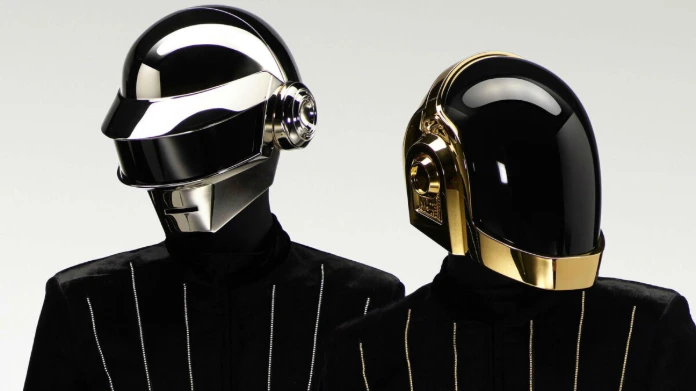
Daft Punk’s “One More Time” is one of the most important dance tracks of the 21st century. Built around a transformed disco sample, Romanthony’s iconic processed vocal and the emotional brightness of French house, the song became much more than a club anthem. It became a celebration of repetition, joy, nostalgia and the power of electronic music to feel deeply human.
In this post:
The Story Behind “One More Time”
The Sound of Discovery
Romanthony’s Vocal and the Power of Auto-Tune
The Eddie Johns Sample
Sound: French House at Its Most Emotional
The Groove and the Celebration
The Breakdown and the Long Release
The Interstella 5555 Visual World
Production Perspective
Why the Track Still Works Today
Playlist / Curator Perspective
Final Thoughts
One More Time: The French House Anthem That Made Dance Music Feel Human
Some dance songs are built to make people move.
“One More Time” was built to make people celebrate.
Released as the lead single from Daft Punk’s second album “Discovery”, the track became one of the defining songs of modern electronic music. It is joyful, repetitive, hypnotic and strangely emotional. On the surface, it feels like a party anthem. But underneath its bright house groove and celebratory vocal, there is something deeper: a sense of nostalgia, release and human connection.
That is what makes “One More Time” so special.
It does not try to impress through complexity. It does not rely on aggression, darkness or dramatic tension. Instead, it creates a feeling of endless celebration, as if the song exists in one perfect moment that keeps repeating.
The title says everything.
One more time.
Again.
One more chorus, one more dance, one more memory, one more night before the moment disappears.
The Story Behind “One More Time”
“One More Time” arrived at a turning point for Daft Punk.
Their 1997 debut album “Homework” had already established Thomas Bangalter and Guy-Manuel de Homem-Christo as central figures in French house. That record was raw, club-focused and connected to the underground energy of the 1990s. With “Discovery”, released in 2001, they moved into a brighter, more melodic and more emotional world.
“One More Time” was the perfect introduction to that new era.
It showed that Daft Punk were no longer interested only in making club tracks. They were building a complete universe. The song carried house music, disco, pop melody, science-fiction imagery and emotional songwriting into one instantly recognizable form.
This was not just a single.
It was a doorway into “Discovery”.
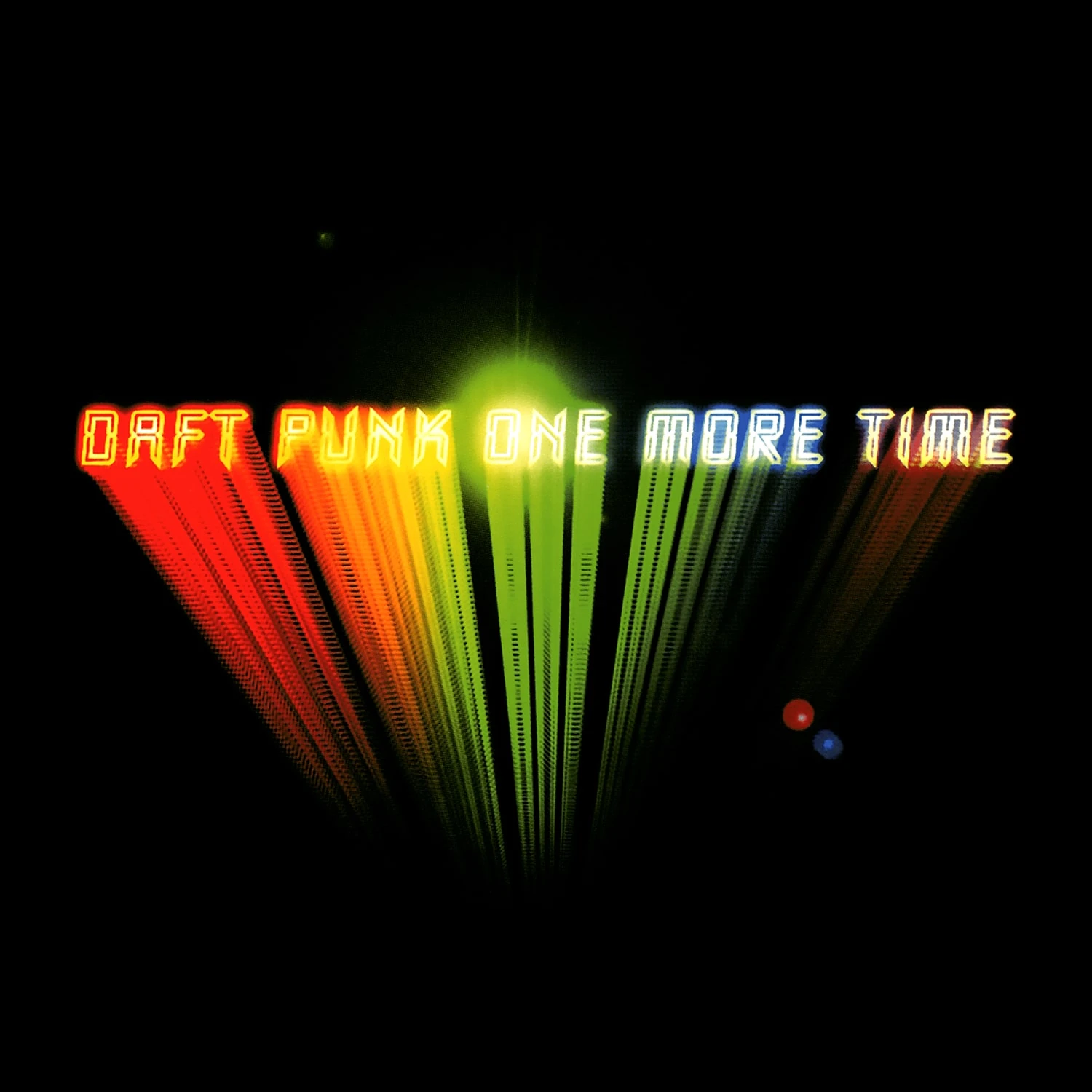
From the first seconds, the track announced that Daft Punk had expanded their vision. The sound was bigger, warmer and more accessible, but it still carried the groove and sample-based intelligence that made their early work so powerful.
The Sound of Discovery
“Discovery” changed the way many listeners understood electronic music.
Instead of presenting dance music as cold, mechanical or purely functional, Daft Punk made it feel colorful, emotional and cinematic. The album mixed house, disco, rock, pop, soul, vocoder vocals, anime aesthetics and futuristic world-building into something that felt completely new.
“One More Time” sits at the center of that transformation.
It is a dance track, but it behaves almost like a pop hymn. It has a vocal that people can sing, a groove that works in clubs and a brightness that makes it feel universal. The track does not choose between underground credibility and mainstream emotion. It brings both together.
That balance is one of Daft Punk’s greatest strengths.
They understood how to make electronic music accessible without making it empty. They could reach pop audiences without losing the physical and repetitive power of house music.
“One More Time” is proof of that rare ability.
Romanthony’s Vocal and the Power of Auto-Tune
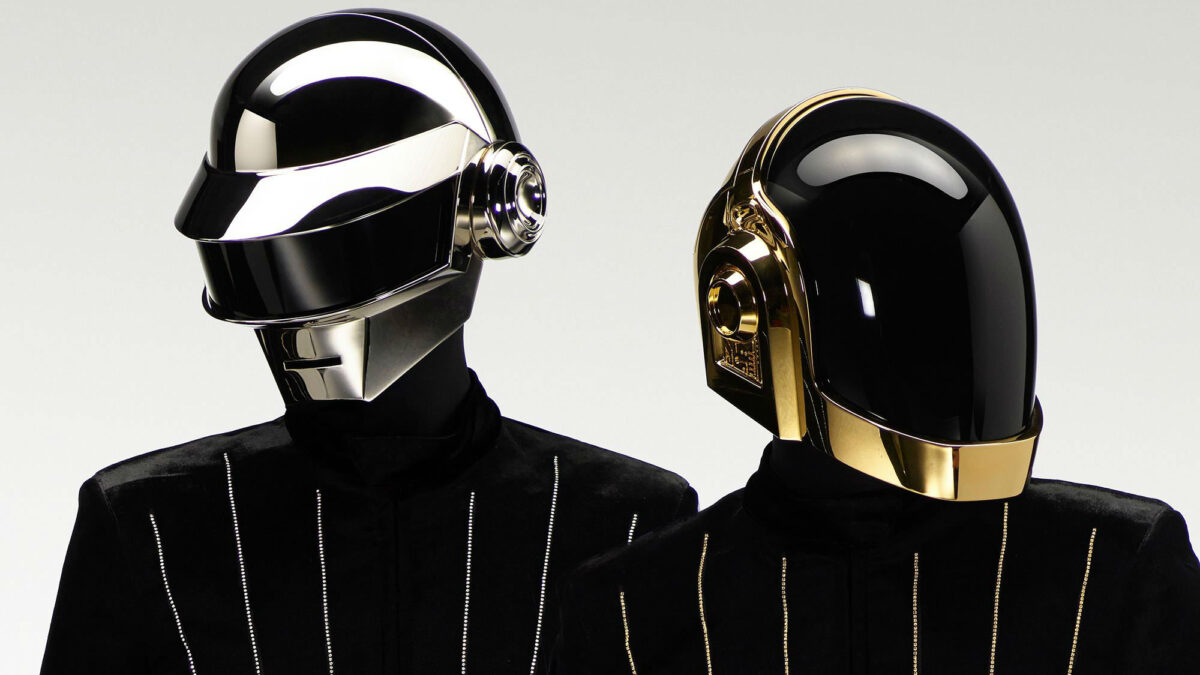
A huge part of the song’s identity comes from Romanthony’s vocal.
His performance gives “One More Time” its human center. The vocal is simple, repetitive and direct, but it carries an unmistakable emotional warmth. It sounds like a celebration, but not in a superficial way. There is a soulful quality underneath the processing, as if the technology is not hiding the human voice but transforming it into something larger.
The use of Auto-Tune is essential.
At the time, heavily processed vocals were often associated with novelty or futuristic effects. Daft Punk used the effect differently. They made the processed voice feel emotional, stylish and timeless. Rolling Stone notes that Romanthony’s Auto-Tuned performance gave the track a retro-futuristic feeling while also anticipating the way pop vocals would later evolve.
This is one of the reasons “One More Time” was ahead of its time.
The vocal sounds robotic and human at once.
That contradiction is the magic of Daft Punk.
They were always interested in the relationship between people and machines. On “One More Time”, that relationship becomes joyful. The machine does not remove emotion. It amplifies it.
The Eddie Johns Sample
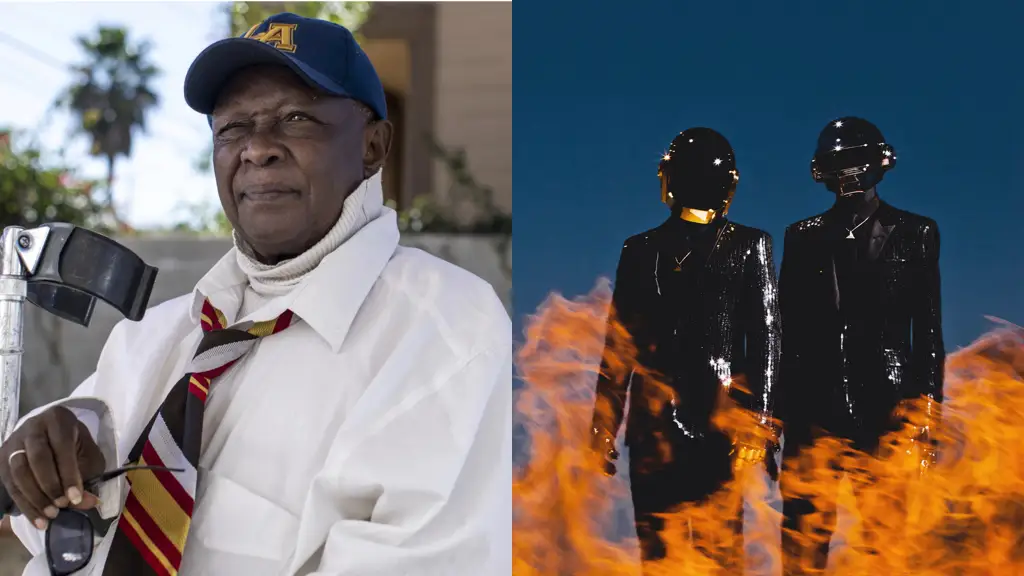
The foundation of “One More Time” is often linked to Eddie Johns’ 1979 disco track “More Spell on You”.
Daft Punk’s genius lies in how they transform the source material. They do not simply place a disco loop under a beat and let nostalgia do the work. Instead, they reshape the sample into something almost unrecognizable: brighter, tighter, more euphoric and fully integrated into the world of the track.
This is sample-based production at its most imaginative.
The sample is not just a reference. It becomes architecture.
It gives the track movement, texture and warmth. It connects “One More Time” to disco history while pushing it into a futuristic house context. That is exactly what made French house so powerful at the turn of the millennium: it could take fragments of the past and make them feel like the future.
The result is a song that feels both familiar and new.
That is one of the hardest things to achieve in dance music.
Sound: French House at Its Most Emotional
Musically, “One More Time” is one of the clearest examples of French house crossing into global pop culture.
The drums are steady and direct. The groove is repetitive but never lifeless. The bass and sample textures create warmth, while the vocal gives the track its emotional identity. Everything is polished, but it does not feel sterile.
The sound is bright, compressed and celebratory.
Unlike many club tracks that rely on darkness or tension, “One More Time” uses joy as its main energy source. The track feels open and inviting. It is not built to intimidate the listener. It is built to bring people together.
This is why the song works in so many different contexts.
It can play in a club, at a festival, in a movie, at a party or through headphones, and the emotional effect remains the same. It creates lift. It creates movement. It creates a feeling of shared happiness.
That universality is rare.
Many dance songs are tied to a specific scene or moment. “One More Time” feels bigger than that.
The Groove and the Celebration
The groove of “One More Time” is simple, but it is also extremely effective.
It does not constantly change direction. It does not try to surprise the listener every few seconds. Instead, it locks into a steady celebratory pulse and lets the repetition do the work.
That repetition is important.
In dance music, repetition is not a weakness when the core idea is strong. It becomes a form of hypnosis. “One More Time” repeats its title phrase again and again, but each repetition feels like another invitation to stay inside the moment.
The song is about continuation.
Keep dancing.
Keep celebrating.
Keep holding onto the feeling.
That is why it feels so powerful on a dance floor. It gives people permission to remain in the moment for a little longer. It turns repetition into emotion.
The Breakdown and the Long Release
One of the most interesting parts of “One More Time” is the way it handles release.
Instead of functioning like a modern EDM track with a sharp build-up and explosive drop, the song stretches pleasure across time. The energy rises, but it does not rely on one sudden impact. It works through continuation, layering and return.
The famous breakdown gives the track space to breathe. It creates a moment where the celebration becomes almost suspended. The rhythm pulls back, the atmosphere opens and the listener is left inside the emotional core of the song.
When the groove returns, it feels less like a drop and more like a re-entry.
This is different from the festival logic of later EDM. “One More Time” does not attack the listener with impact. It invites them back into the groove.
That makes the song feel more timeless.
It is not dependent on shock.
It is dependent on feeling.
The Interstella 5555 Visual World
The visual identity of “One More Time” is deeply connected to “Interstella 5555”, the animated film created around the music of “Discovery”.
The video introduced a world of blue-skinned alien musicians, cosmic performance and emotional science-fiction storytelling. This gave the track a visual mythology that made it feel even larger than a traditional single.
The music was already futuristic and nostalgic at the same time. The animation made that duality visible.
Instead of giving the song a standard club video, Daft Punk placed it inside a fictional universe. This helped “One More Time” feel less like a normal release and more like part of a complete artistic world.
That was one of Daft Punk’s greatest innovations.
They did not only make songs.
They built worlds around them.
Long before today’s artists were expected to create full visual identities across social media, video, branding and live performance, Daft Punk understood that music could become a universe.
Production Perspective
From a production perspective, “One More Time” is a masterclass in transformation.
The track takes a disco-rooted sample, a processed soulful vocal and a house groove, then blends them into something that feels effortless. But that effortlessness is deceptive. The song works because every element is carefully placed.
The vocal is processed, but not emptied of feeling.
The sample is looped, but not boring.
The groove is repetitive, but not static.
The mix is bright, but not hollow.
The arrangement is simple, but not weak.
This is the kind of production that sounds easy only after someone has already done it perfectly. Many tracks have tried to capture the same combination of nostalgia, joy and electronic polish, but very few have reached the same level.
“One More Time” is simple in structure, but sophisticated in emotional design.
Everything serves the feeling.
Why the Track Still Works Today
“One More Time” still works today because its emotional message is timeless.
Celebration does not go out of style.
The sound may come from a specific moment in French house history, but the feeling is universal. The desire to keep dancing, to extend the night, to repeat a beautiful moment before it disappears — that is something everyone understands.
The song also continues to feel relevant because of how forward-thinking it was.
The processed vocal anticipated the future of pop production. The sample-based structure connected dance music to older musical traditions. The visual world of “Discovery” predicted the importance of multimedia identity. The track’s balance of underground house and mainstream accessibility created a blueprint for countless artists who came after.
More than twenty years later, “One More Time” still feels alive because it was never only about production.
It was about emotion.
It was about memory.
It was about joy.
Playlist / Curator Perspective
From a playlist perspective, “One More Time” remains one of the strongest dance classics ever made.
It works in French house playlists, dance classics, disco house selections, party playlists, electronic essentials, road trip collections, feel-good playlists and festival throwback sets. But its real value is not only functional. It creates a moment of instant recognition.
When “One More Time” starts, the mood changes immediately.
It brings brightness. It brings movement. It brings a sense of collective celebration. It is one of those rare tracks that can make a playlist feel bigger, warmer and more iconic.
For curators, it is a perfect emotional peak.
It is not aggressive. It is not dark. It is not difficult. It is open, joyful and instantly understood.
That makes it one of the most reliable dance records of all time.
Why It Became a Classic
“One More Time” became a classic because it combined the right elements in a way that felt completely natural.
It had a vocal people could remember.
It had a sample with disco warmth.
It had a groove rooted in house music.
It had a futuristic visual identity.
It had a universal message of celebration.
Most importantly, it sounded like nothing else at the time.
Daft Punk took the language of house music and made it feel like pop without making it feel cheap. They made electronic music emotional without making it sentimental. They made a party song that somehow feels philosophical.
That is the genius of “One More Time”.
It is simple enough for everyone.
But deep enough to last forever.
Final Thoughts
Daft Punk’s “One More Time” is one of the most important electronic songs of the 21st century because it changed how dance music could feel.
It proved that house music could be joyful, emotional, futuristic and universal at the same time. It turned a disco sample into a new world. It made Auto-Tune sound soulful. It transformed repetition into celebration.
More than two decades later, the song still feels timeless because it captures something bigger than a trend.
It captures the desire to stay inside a perfect moment.
To dance a little longer.
To celebrate one more time.
And that is why it remains one of the greatest dance records ever made.
Sound Breakdown Rating
Hook: 10/10
Vocal Identity: 9.8/10
Sample Use: 9.7/10
Production: 9.6/10
Cultural Impact: 10/10
Replay Value: 10/10
Overall Rating: 9.9/10