

Some electronic records are remembered because they dominated a particular summer, while others eventually become inseparable from the period in which they were released. Galantis’ “Runaway (U & I)” belongs firmly to the second category. More than a decade after its arrival, hearing its opening vocal is enough to bring back the atmosphere of mid-2010s electronic music: enormous festival stages, melodic drops, crossover radio hits and a generation discovering dance music at the height of the global EDM explosion.
Released in 2014, “Runaway (U & I)” arrived at a moment when electronic music was becoming increasingly ambitious in scale. Festival producers were competing for bigger drops and louder mainstage moments, yet Galantis found a different route to the same sense of euphoria. Instead of building their record around aggression, they combined an intensely emotional vocal with bright melodies and a production that continuously moves between intimacy and release. The result was a track that could fill a festival without losing the vulnerability at the heart of the song, and that contrast would eventually become one of the defining characteristics of the Galantis sound.
In this post:
- Before Runaway: Galantis Find Their Sound
- The Sound: Melancholy Hidden Inside Euphoria
- The Vocal That Became Part of the Production
- The Drop: When Melody Was Enough
- The Seafox and the World Around Galantis
- From 2014 Hit to a Symbol of an EDM Generation
- Why “Runaway (U & I)” Still Works
- More Than a Festival Anthem
Before Runaway: Galantis Find Their Sound
By the time “Runaway” appeared, Galantis were still establishing themselves as a project, but the musicians behind it were far from newcomers. The Swedish act brought together Christian Karlsson and Linus Eklöw, producers with considerable experience in songwriting, pop and electronic music. That background would prove essential to the identity they were developing: their records were designed for dancefloors, but they were structured with the melodic instincts and immediacy of pop songs.
During 2014, that identity began to become much clearer. Earlier material had already introduced the colorful, emotional electronic sound associated with Galantis, but “Runaway (U & I)” pushed it onto a considerably larger scale. At the time of its release, Dance Music Northwest noted that the record sounded bigger than the duo’s previous work while being too layered to simply classify as another big-room production. That distinction helps explain why the song aged differently from many festival records of the same period: Galantis were interested in creating a huge moment, but the size of that moment came from songwriting and melody rather than sheer impact.

The Sound: Melancholy Hidden Inside Euphoria
The most fascinating aspect of “Runaway (U & I)” is the contradiction at its centre. Lyrically, the song revolves around longing and the desire to leave everything behind with another person, an idea that could easily have produced a melancholic electronic ballad. Galantis instead surround that emotion with one of the brightest productions of their career, transforming the feeling of wanting to escape into something celebratory.
The arrangement constantly plays with that contrast. The vocal sections leave enough space for the emotional character of the song to emerge, while the production gradually expands around them through percussion, synth layers and increasingly wide melodic textures. When the track finally reaches its larger sections, it does not feel as though a completely different song has suddenly arrived; rather, the emotion introduced earlier has simply been amplified. What begins as an intimate desire becomes something capable of being shared by an entire festival crowd.
This was already evident in contemporary reactions to the record. Dance Music Northwest described the vocals as capturing the feeling of wanting to disappear somewhere with someone you love, while the progressive production simultaneously pulled the listener towards the dancefloor. That balance between vulnerability and celebration is arguably the real foundation of “Runaway.” The record does not ask listeners to forget the emotion in order to dance; it uses dancing as the release of that emotion.
The Vocal That Became Part of the Production
Much of the identity of “Runaway” comes from its instantly recognizable vocal treatment. Rather than presenting the voice in a completely natural form, Galantis manipulate it until it occupies an unusual space between human vocal and electronic instrument. Its high, processed character cuts through the production immediately, but instead of making the song feel artificial, it becomes one of the elements that gives the record its emotional personality.
The production around the vocal is equally important. Galantis do not simply place a singer over a dance instrumental; the voice is integrated into the melodic architecture of the song, interacting with the synths and becoming part of the texture itself. This approach was particularly effective during a period when vocal manipulation was becoming increasingly important in electronic music, yet “Runaway” managed to make the technique feel closely connected to the songwriting rather than simply using it as a production effect.
Then there is the hook itself. The central “U & I” idea is remarkably simple, and that simplicity becomes one of the track’s greatest strengths. A festival audience does not need to know every lyric to participate in the song because a handful of words are enough to recognize and sing the defining moment. What begins as the voice of an individual therefore becomes something collective, allowing thousands of people to attach their own memories and relationships to the same melody.
The Drop: When Melody Was Enough
To understand why “Runaway” felt distinctive, it is worth remembering the electronic landscape surrounding its release. By 2014, big-room house had become one of the dominant sounds of major festivals, and producers were increasingly building tracks around enormous kicks, aggressive leads and drops designed primarily for maximum physical impact. Galantis borrowed the scale of that era without completely adopting its formula.
The payoff in “Runaway” is undeniably made for large crowds, but its energy is driven primarily by melody. Bright synths expand across the mix while the four-on-the-floor rhythm provides the physical foundation underneath them, allowing the emotional character established by the vocal to continue through the instrumental sections. The drop therefore feels less like an interruption and more like the natural conclusion of everything that has been building before it.
That decision also gave the record extraordinary versatility. It was energetic enough for festival mainstages and clubs, but melodic enough to cross comfortably into radio and mainstream listening. People who were not necessarily immersed in electronic music could connect with the vocal and songwriting, while dance audiences still received the euphoric release expected from a Galantis performance. The melody itself became the drop, and that helped “Runaway” reach far beyond the boundaries of a conventional festival record.
The Seafox and the World Around Galantis
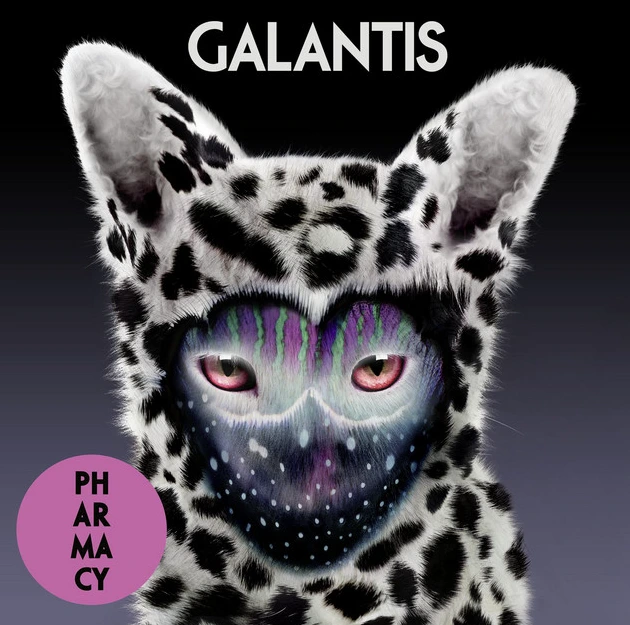
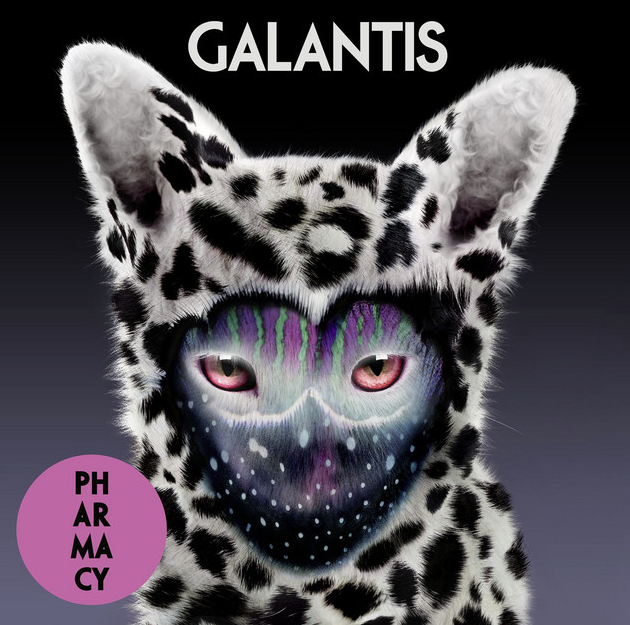
The musical identity of early Galantis was accompanied by an equally distinctive visual world, centred around the mysterious Seafox. Rather than relying entirely on conventional artist imagery, the creature became a recurring symbol for the project and helped give Galantis an immediately recognizable visual language during their early rise.
The official video for “Runaway (U & I)” expanded that mythology while also reflecting the emotional theme of the song. BuzzFeed described the Seafox as Galantis’ mythical spirit animal and explained how the video follows the character through a strange but surprisingly human story. Despite experiencing success, the Seafox remains alone until eventually encountering another creature like itself, leading to a moment of connection that mirrors the central idea behind the track.
It is an unusual concept for an electronic music video, but that is precisely why it works. Beneath the surreal imagery sits the same message that drives the song: escaping is not really the point if there is nobody to escape with. The visual identity therefore did more than simply give Galantis recognizable artwork; it extended the emotional universe of their music and made “Runaway” feel like part of something larger than a standalone single.
From 2014 Hit to a Symbol of an EDM Generation
The real test for any electronic record comes once the production trends surrounding it begin to disappear. Dance music changes quickly, and sounds capable of dominating festival seasons can feel dated only a few years later. “Runaway (U & I)” is unmistakably connected to the melodic EDM of the mid-2010s, yet that connection has gradually become one of its strengths rather than a limitation.
By 2025, the record had reached the point where Galantis could celebrate its tenth anniversary with a dedicated show at San Francisco’s Bill Graham Civic Auditorium. EDM Identity described “Runaway (U & I)” as the track that stood above many of the project’s other major hits in terms of its impact across radio and the festival circuit, while the anniversary celebration itself leaned into the collective nostalgia surrounding that period of electronic music.
Today, playing “Runaway” does more than revive an old Galantis single. For listeners who experienced the EDM explosion of that decade, the record functions almost like a musical time capsule. It belongs to the same broader period in which electronic music was becoming a dominant part of global pop culture and melodic festival records could move effortlessly between clubs, radio stations and enormous mainstages. The song carries those memories with it, which explains why its opening moments can still create such an immediate reaction from an audience more than ten years later.

Why “Runaway (U & I)” Still Works
Nostalgia undoubtedly contributes to the song’s continued popularity, but nostalgia alone cannot turn an average production into a lasting dance classic. What allows “Runaway” to survive is the strength of the structure underneath its unmistakably 2010s sound. The vocal introduces intimacy, the arrangement gradually creates anticipation, the synths provide the emotional release and the hook gives listeners something simple enough to remember after a single listen. Every major production decision ultimately reinforces the same emotional idea.
This is also what makes the record interesting from a Sound Breakdown perspective. The lesson behind “Runaway” is not found in one particular synth preset, vocal effect or kick drum. Its success comes from contrast and progression: quiet against huge, loneliness against connection, melancholy against euphoria. Galantis understood that the biggest moment of a dance track becomes much more powerful when the listener has first been given a reason to care about reaching it.
That principle remains relevant even as electronic production continues to change. A drop can become louder, sound design can become more complicated and technology can offer producers thousands of new possibilities, but none of those elements automatically create an emotional connection. “Runaway” demonstrates how powerful dance music can become when production serves the feeling of the song instead of competing with it.
More Than a Festival Anthem
There are songs that define an artist’s career, and then there are songs that eventually become attached to the memories of an entire generation. “Runaway (U & I)” managed to become both. Galantis took a simple idea about wanting to disappear with someone and transformed it into one of the brightest, most euphoric records of the EDM era, without removing the sense of longing that made the original idea meaningful.
More than a decade later, its synths clearly reveal the musical period in which it was created, but the emotion underneath them has not aged in the same way. The desire for connection, escape and freedom remains universal, while the enormous melodic payoff continues to translate that feeling into something designed to be experienced together.
Perhaps that is ultimately why “Runaway (U & I)” still produces such a powerful reaction whenever it returns to a festival stage. It no longer reminds listeners only of Galantis or of one particular track. It reminds them of what electronic music felt like during a moment when an entire generation seemed ready to run away together.