Some tracks do not become classics only because they are played everywhere. They become classics because they arrive at the right moment, with the right voice, the right production and a message that people can immediately feel as their own.
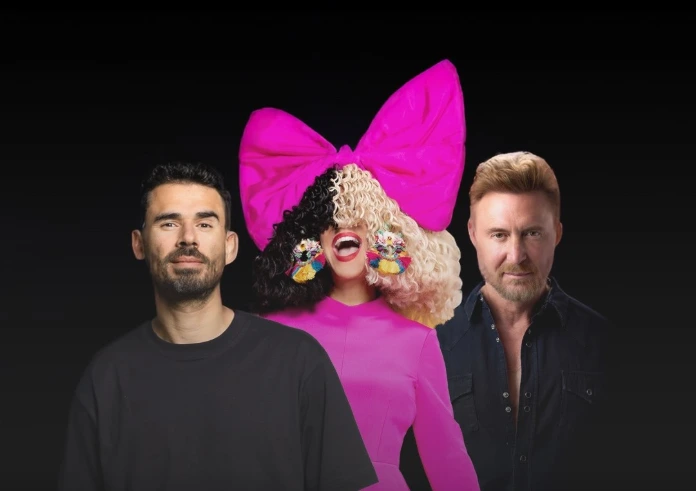
“Titanium” by David Guetta featuring Sia is one of those songs.
Released during the golden era of EDM crossover, the track became much more than a successful dance-pop single. It became an anthem of strength, resistance and emotional release. What makes it still powerful today is the way it combines a very human vocal performance with a huge electronic production, creating a song that works both on a festival stage and in someone’s headphones during a difficult moment.
In this post:
• The Beginning of “Titanium”
• The Role of David Guetta
• Sia’s Voice and the Emotional Core
• Afrojack’s Production Touch
• From Demo to Global Anthem
• Sound Breakdown
• Why the Drop Still Works
• How “Titanium” Became a Success
• Why It Still Feels Massive Today
• Final Thoughts
The Beginning of “Titanium”
The story of “Titanium” starts from an idea that is actually quite simple: a song about being strong even when people try to break you.
That is the heart of the track.
Before becoming one of David Guetta’s most famous songs, “Titanium” was built around a powerful topline written with Sia’s unmistakable voice at the center. The message was clear from the beginning: vulnerability and strength could exist in the same song. It was not just about feeling invincible in a superficial way. It was about being hurt, attacked, judged or pushed down, and still refusing to fall apart.
This is why the song feels different from many dance hits from the same period.
A lot of early-2010s EDM tracks were built around party energy, nightlife, desire or festival euphoria. “Titanium” had the size and energy of those tracks, but its emotional starting point was deeper. It was not simply saying “let’s dance”. It was saying “I will not break”.
That emotional core is what made the track special before the drop even arrived.
The Role of David Guetta
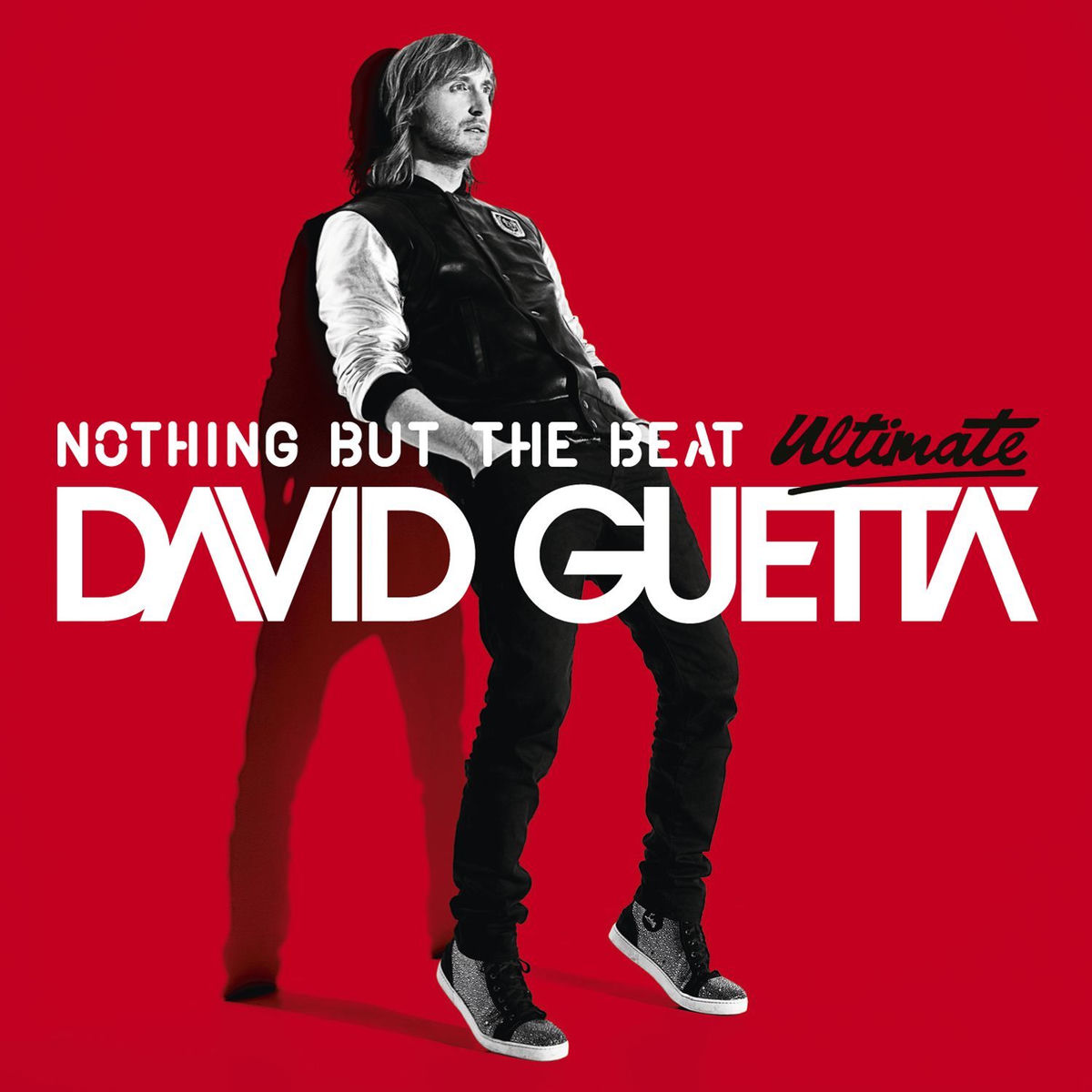
David Guetta was one of the main artists who helped bring electronic music into global pop culture.
By the time “Titanium” arrived, he had already shown that dance music could work with major vocalists and reach a much wider audience than traditional club music. He understood something very important: electronic production could be powerful, but it became even stronger when connected to a real song.
With “Titanium”, Guetta did not just create a club track.
He helped build a pop anthem with an EDM structure.
That balance is the key.
The song has verses, a chorus and a clear emotional message, but it also has the build-up, impact and release of a festival record. It is not only made for radio, and it is not only made for the dancefloor. It belongs to both worlds.
This is where Guetta’s instinct was crucial.
He knew how to take the emotion of a vocal and place it inside a production that could become enormous. Instead of letting the electronic part overpower the song, the production lifts the message and makes it feel bigger.
That is why “Titanium” became one of the clearest examples of dance-pop done properly.

Sia’s Voice and the Emotional Core
Sia is the reason “Titanium” feels human.
Without her voice, the track would still have strong production, but it would not have the same soul. Her vocal performance gives the song vulnerability, tension and power at the same time. She does not sound distant or perfectly polished in a cold way. She sounds intense, emotional and believable.
That is extremely important for a song like this.
The lyrics speak about being attacked but staying strong. If the vocal sounded too clean or too generic, the message would lose impact. Sia makes the listener believe it. You can hear both pain and resistance in the way she sings.
That contrast is what makes the chorus so memorable.
She is not just singing about strength.
She sounds like someone who has had to become strong.
This is why the song connected with so many people outside the usual EDM audience. You did not need to be a club fan to understand the emotion. The message was immediate, and Sia delivered it in a way that felt personal.
The track became big because of the production, but it became unforgettable because of the voice.

Afrojack’s Production Touch
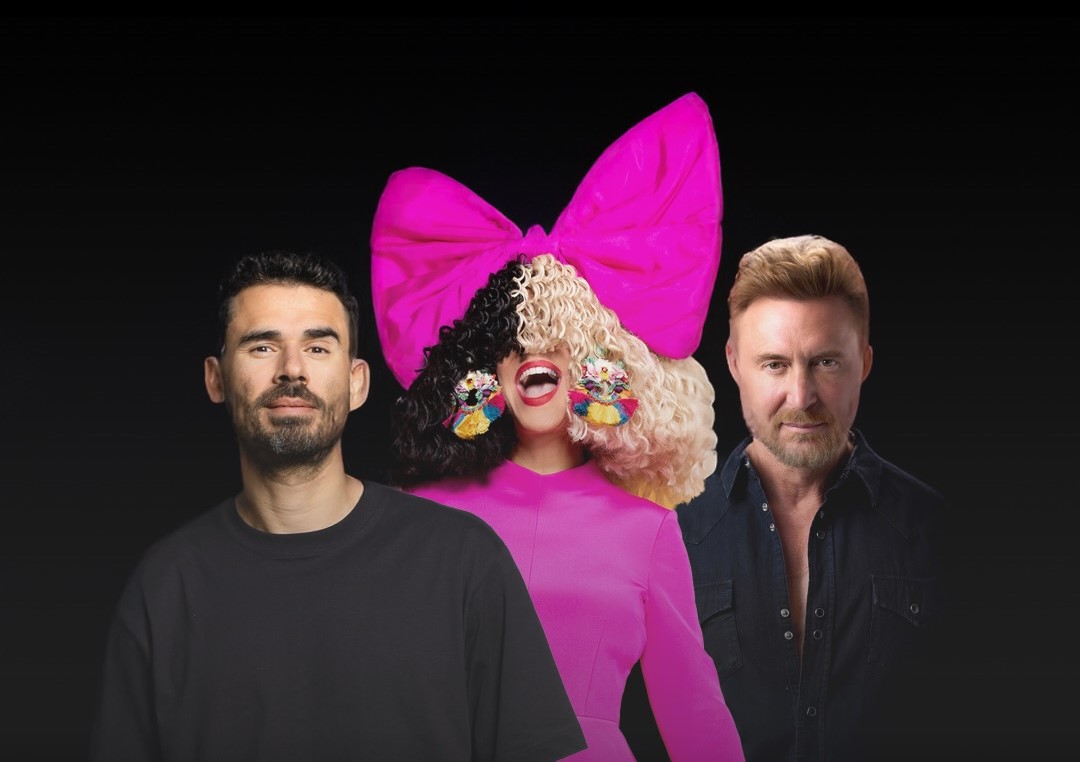
Another important part of the story is the production work connected to Afrojack.
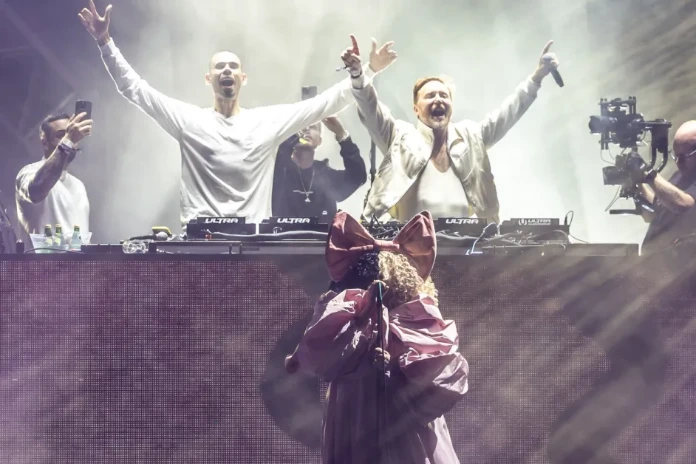
The mini-documentary highlighted by DJ Mag goes into the making of the track and the creative process behind it, showing how “Titanium” came together through a mix of songwriting, electronic production and instinct.
Afrojack’s involvement matters because the track carries that early-2010s EDM sharpness: wide synths, strong rhythm, clean impact and a drop built for big spaces.
But “Titanium” does not sound like a random collection of festival sounds.
It has structure.
The production is designed around the vocal. The instrumental parts do not distract from the message. Instead, they give the song scale. The synths open up when the emotion needs to expand. The beat gives the chorus strength. The drop transforms the meaning of the lyrics into a physical feeling.
This is what makes the track so effective.
The electronic production is not just there to make people jump.
It is there to make the message feel massive.

Production: Dance Energy With Pop Emotion
From a production point of view, “Titanium” works because it balances two worlds.
On one side, it has the structure and impact of a dance anthem. The build-up, the drums, the synths and the drop are clearly made to lift the energy and create a big reaction.
On the other side, it has the emotional shape of a pop song. The vocal is central. The chorus is memorable. The message is easy to understand. The track has a real song structure, not just a club arrangement.
That combination is what made David Guetta so influential in that period.
He understood how to bring electronic production into pop without removing the energy of dance music. “Titanium” is one of the clearest examples of that approach.
The production is polished, but it does not feel empty.
Every element supports the emotional direction of the track. The synths make the chorus feel wider. The drums give strength to the message. The drop transforms the vocal tension into movement.
It is not just production for impact.
It is production for emotion.
From Demo to Global Anthem
One of the most interesting things about “Titanium” is how naturally it moved from being a song idea into a global anthem.
At first, it had all the elements of a strong dance-pop record: a powerful topline, a clear message, a recognizable vocal and a production style that matched the sound of the moment. But success is never guaranteed, even when all the pieces are good.
What made “Titanium” explode was the way all those pieces worked together.
The song could be played on radio because it had a strong chorus.
It could work in clubs because the production had energy.
It could work at festivals because the drop felt huge.
It could work emotionally because the message was universal.
That combination made the track travel much further than a normal EDM single.
It was not only a song for one scene. It became a song for many different listeners. Pop fans, dance fans, festival crowds and casual listeners could all find something in it.
That is when a track becomes an anthem.
When it stops belonging to only one audience.
Sound Breakdown
The structure of “Titanium” is one of the reasons it still sounds so effective.
The track begins with space. The opening does not immediately throw the listener into a huge drop. Instead, it gives Sia’s voice room to introduce the emotion. This makes the song feel personal from the start.
Then the production slowly grows.
The verse creates tension.
The pre-chorus starts to lift the energy.
The chorus opens the emotional center of the track.
Then the drop gives the song its physical release.
This progression is simple, but very powerful.
The song knows when to hold back and when to expand. That is one of the most important lessons in dance-pop production. If everything is huge from the beginning, nothing feels huge later. “Titanium” works because it builds the emotional and sonic tension step by step.
The vocal makes you feel the message.
The production makes that message explode.
That is the real sound design of the track: emotion first, impact second.
Playlist Potential
From a playlist perspective, “Titanium” is still extremely strong.
It belongs naturally in EDM classics playlists, dance-pop throwback selections, workout playlists, motivational playlists, festival anthem collections and songs about strength or confidence.
Its biggest advantage is recognition.
The moment the chorus arrives, most listeners know exactly what song it is. That makes it powerful for playlists because it creates an immediate emotional reaction.
It can also fit different moods.
It can be used for energy.
For nostalgia.
For motivation.
For emotional release.
For big festival memories.
That is why it still works so well many years after its release. Some songs are tied too closely to one trend and disappear when that trend fades. “Titanium” is connected to a specific EDM era, but its message and vocal performance make it much more durable.
It is not only a throwback.
It is still a useful, powerful playlist track.
Why the Drop Still Works
The drop in “Titanium” still works because it feels connected to the song.
Many EDM drops from that period were made only to create shock. They were big, loud and effective in the moment, but some of them now feel dated because they were not attached to a strong emotional idea.
“Titanium” is different.
The drop feels like the answer to the chorus.
When Sia sings about being titanium, the production makes you feel that strength. The drop is not separate from the message. It is the sound of that message becoming physical.
That is why it still feels powerful today.
It is not just a beat drop.
It is a release.
The synths, the rhythm and the size of the production all turn the lyrics into a feeling. The listener does not only understand the idea of resilience. They experience it through sound.
This is why the track remains so strong in playlists, live sets and nostalgic EDM moments.
It still gives people that same emotional lift.
How “Titanium” Became a Success
“Titanium” became a global success because it arrived at the perfect intersection of pop and EDM.
At that time, electronic music was entering the mainstream with huge force. David Guetta was one of the biggest names in that movement, and audiences were ready for dance tracks that had the emotional structure of pop songs.
The track also had something that many EDM hits did not have: a message people could carry with them.
It was not tied only to a party moment.
It could mean something during difficult times, during personal challenges, during moments of self-confidence or recovery. This gave the song a longer life.
Commercially, “Titanium” became one of David Guetta’s most recognizable hits and achieved major chart success around the world. DJ Mag describes it as a stadium-sized anthem and highlights its multi-platinum impact in countries including Australia, the United States and the United Kingdom.
But numbers are only part of the story.
The real success of “Titanium” is that people still remember how it made them feel.
That is much harder to achieve.
Playlist Potential
From a playlist point of view, “Titanium” is still extremely strong.
It fits perfectly into EDM classics playlists, dance-pop throwbacks, motivational playlists, gym playlists, festival anthems, confidence-themed selections and emotional electronic music collections.
The track has one major advantage: instant recognition.
As soon as the chorus arrives, listeners know the song. That makes it powerful in any playlist because it creates an immediate reaction.
It can bring nostalgia.
It can bring energy.
It can bring motivation.
It can bring emotional release.
That flexibility is why “Titanium” still belongs in playlists today. It is not only a memory from the past. It is still a track that works in the present.
Final Thoughts
“Titanium” is one of the strongest dance-pop anthems of the EDM era because it was built from a real emotional idea.
It started as a song about strength and resilience, then became something much bigger through Sia’s vocal performance, David Guetta’s pop-dance instinct and the electronic production that gave the track its enormous scale.
What makes the song special is that every part serves the same message.
The vocal sounds vulnerable but powerful.
The lyrics are simple but universal.
The production is huge but focused.
The drop is energetic but meaningful.
That is why “Titanium” became a global success and why it still sounds massive today.
It is not just a dance track.
It is not just a pop song.
It is one of those rare records where emotion and production meet perfectly, creating a song that people can dance to, sing to and use as a personal reminder of strength.
Years later, “Titanium” still matters because its message still works.
You can be hit.
You can be pushed.
You can be under pressure.
But you do not have to break.
Rating
Songwriting: 9.4/10
Vocal Performance: 9.7/10
Production: 9.3/10
Drop Impact: 9.4/10
Emotional Power: 9.6/10
Cultural Impact: 9.5/10
Playlist Potential: 9.4/10
Overall Rating: 9.5/10