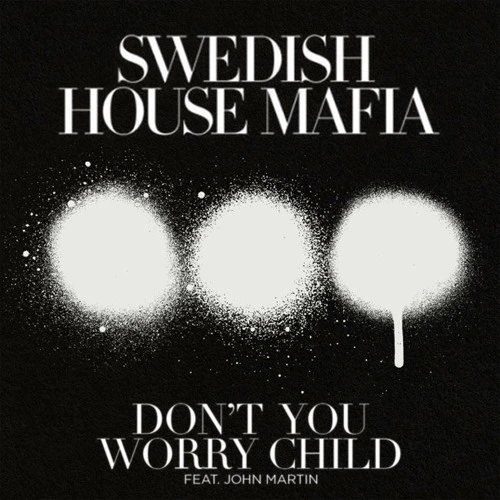


In this Sound Breakdown, we revisit Swedish House Mafia’s “Don’t You Worry Child”, one of the most emotional and recognizable EDM anthems of the 2010s. From John Martin’s powerful vocal performance to the progressive house build-up, euphoric drop and nostalgic storytelling, the track remains a perfect example of how electronic music can feel both massive and deeply human.
In this post:
- The Story Behind the Song
- A Farewell Anthem for an Era
- The Emotional Core
- John Martin’s Vocal Performance
- Sound: Progressive House at Its Peak
- The Build-Up
- The Drop
- Production Perspective
- Why the Song Still Works Today
- Playlist / Curator Perspective
- Final Thoughts
Sound Breakdown: Why Swedish House Mafia’s “Don’t You Worry Child” Still Feels Timeless
Some songs become hits.
Others become memories.
“Don’t You Worry Child” by Swedish House Mafia belongs to the second category.
Released during the peak of the EDM explosion, the track became much more than a festival anthem. It became an emotional symbol for an entire generation of electronic music fans: nostalgic, euphoric, simple and unforgettable.
What makes the song special is not only its melody or its drop. It is the way every element serves one clear feeling: reassurance.
The vocal tells a story of childhood, loss, memory and hope. The production turns that story into something huge, communal and uplifting. The result is one of the rare dance tracks that works both as a club record and as an emotional pop song.
“Don’t You Worry Child” is not just powerful because it sounds big.
It is powerful because it feels personal.
The Story Behind the Song
The emotional force of “Don’t You Worry Child” begins before the drop, before the synths and before the festival crowds.
At its center is a story about memory and comfort.
The song was written by Swedish House Mafia members Axwell, Steve Angello and Sebastian Ingrosso alongside John Martin and Michel Zitron. According to the song’s widely reported backstory, the emotional idea came from personal reflection, childhood memories and the kind of words a parent gives to a child during difficult moments.
This is why the track feels different from many EDM songs of its era.
It does not start from a party slogan.
It starts from a human feeling.
The message is simple: life changes, pain happens, but there is still hope ahead.
That emotional simplicity is one of the reasons the song became so universal.
A Farewell Anthem for an Era
“Don’t You Worry Child” also carries a unique historical weight because it arrived during Swedish House Mafia’s farewell period.
At the time, the trio were not just another electronic act. Axwell, Steve Angello and Sebastian Ingrosso had become symbols of the global rise of EDM. Their sound represented the peak of the progressive house era: melodic, emotional, stadium-sized and built for collective release.
Because of that context, the song felt like more than a single.
It felt like a goodbye.
The music video, filmed around their final UK performance at Milton Keynes Bowl, added even more emotional meaning. Instead of presenting only a glamorous dance video, it captured the scale, the crowd and the feeling of a group reaching the end of a chapter.
This made “Don’t You Worry Child” both a hit and a farewell letter.

The Emotional Core
The emotional core of the song is nostalgia.
The lyrics look back at childhood, first love, family and the moment when innocence begins to disappear. This kind of theme is extremely powerful because it is easy to understand. Everyone has memories that feel distant. Everyone has moments they wish they could return to.
But the song does not remain sad.
That is the key.
It transforms nostalgia into hope.
The production does not drown the vocal in darkness. Instead, it lifts it upward. The chords, rhythm and melody create a feeling of release, as if the song is moving from memory into acceptance.
That emotional movement is what makes the track so effective.
It begins as reflection.
It ends as celebration.
John Martin’s Vocal Performance
John Martin’s voice is one of the main reasons “Don’t You Worry Child” works so well.
His delivery is clear, emotional and direct. He does not over-sing. He does not make the performance too theatrical. Instead, he gives the vocal a sincere and almost conversational quality.
This is important because the song’s message needs trust.
If the vocal felt too polished or artificial, the emotional impact would be weaker. Martin’s voice gives the track a human center. It sounds vulnerable enough for the verses and powerful enough for the chorus.
In electronic music, the right vocalist can transform a production completely.
Here, John Martin does exactly that.
He turns the instrumental into a story.

Sound: Progressive House at Its Peak
Musically, “Don’t You Worry Child” is a classic example of early 2010s progressive house at its most emotional and polished.
The track is built around a bright chord progression, a steady four-on-the-floor rhythm, wide synth layers and a euphoric lead melody. Everything is designed to grow gradually until the drop feels inevitable.
The sound is clean, open and cinematic.
Unlike darker club tracks, this song uses brightness as an emotional tool. The synths feel wide and uplifting. The drums are strong but not aggressive. The arrangement leaves space for the vocal to carry the meaning before the instrumental takes over.
This balance between song structure and dance production is one of the track’s greatest strengths.
It feels like a pop song.
It moves like a festival anthem.
The Build-Up
The build-up is where the song begins to create tension.
Instead of rushing immediately into the drop, Swedish House Mafia allow the vocal and chords to slowly increase the emotional pressure. The listener knows something big is coming, but the track makes them wait just long enough.
This is one of the classic techniques of progressive house.
The build-up is not only about volume. It is about expectation.
The drums become more urgent. The synth layers open. The vocal leads the listener toward the emotional peak. By the time the drop arrives, it feels earned.
This is why the drop works so well live.
The crowd is not only reacting to the beat.
They are reacting to the release of the entire emotional journey.

The Drop
The drop of “Don’t You Worry Child” is one of the most recognizable drops in EDM history.
It is not the hardest, darkest or most complex drop ever made. Its strength comes from melody.
The lead synth carries a simple, euphoric phrase that feels instantly memorable. The rhythm gives it physical energy, but the melody gives it identity.
This is what separates great festival anthems from forgettable ones.
A powerful drop can make people jump.
A memorable melodic drop can stay with people for years.
Swedish House Mafia understood this perfectly. They did not build the drop only around impact. They built it around emotion.
That is why the song still works long after the peak EDM era has passed.
Production Perspective
From a production perspective, “Don’t You Worry Child” is effective because it is extremely focused.
Every element has a clear purpose.
The vocal creates the story.
The chords create nostalgia.
The drums create movement.
The build-up creates anticipation.
The drop creates release.
There is no unnecessary complexity. The production is polished, but it does not feel overfilled. The arrangement gives each section enough space to breathe, which makes the emotional moments stronger.
The mix is also built for scale.
It sounds big on festival systems, but the song still works through headphones or radio speakers. This is one of the reasons it crossed over so successfully.
It was not only a club record.
It was a song.
Why the Song Still Works Today
“Don’t You Worry Child” still works today because its emotional structure is timeless.
Trends in electronic music change quickly. Sounds become dated. Drops become predictable. Festival styles evolve.
But emotion lasts longer than production trends.
The track continues to resonate because it connects with universal feelings: childhood, memory, heartbreak, reassurance and hope.
It also represents a specific moment in EDM history. For many fans, it brings back the early 2010s festival era, when progressive house anthems felt huge, optimistic and communal.
That nostalgia gives the song even more power today.
It is both a personal memory and a cultural memory.

Playlist / Curator Perspective
From a playlist perspective, “Don’t You Worry Child” is one of the strongest emotional EDM classics.
It works especially well in:
- EDM Classics playlists
- Festival Anthems playlists
- Progressive House playlists
- Nostalgic Dance playlists
- 2010s Hits playlists
- Workout / Motivation playlists
- Road trip playlists
- Emotional Dance playlists
- Mainstage Memories playlists
The song has an unusual advantage: it can lift energy without feeling empty.
Many festival tracks are exciting but emotionally shallow. “Don’t You Worry Child” offers both power and meaning. That makes it useful for playlists that need a big emotional peak.
It is not just a track to dance to.
It is a track people remember.
Why It Became an Anthem
The reason “Don’t You Worry Child” became an anthem is the perfect combination of timing, melody and emotion.
It arrived when Swedish House Mafia were already at the top of the EDM world.
It carried the feeling of a farewell.
It had a vocal that sounded human and sincere.
It had a drop that was instantly recognizable.
It gave festival crowds a shared emotional moment.
All these elements came together at exactly the right time.
That is why the song did not simply become popular.
It became part of the mythology of Swedish House Mafia.
Final Thoughts
“Don’t You Worry Child” remains one of the most important EDM songs of the 2010s because it proves that electronic music can be both massive and emotional.
Swedish House Mafia built a track that works on every level: as a pop song, as a festival anthem, as a nostalgic memory and as a symbol of an era.
John Martin’s vocal gives the song its soul. The progressive house production gives it scale. The melody gives it permanence.
More than a decade later, the song still feels alive because it was never only about the drop.
It was about the feeling before the drop.
That is what makes “Don’t You Worry Child” timeless.
Sound Breakdown Rating
Melody: 9.8/10
Vocal Impact: 9.7/10
Production: 9.4/10
Emotional Power: 10/10
Festival Legacy: 10/10
Replay Value: 9.6/10
Overall Rating: 9.8/10