
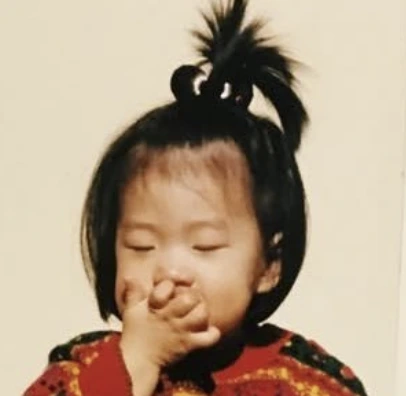

Peggy Gou is not only one of the most recognizable DJs in electronic music. She is a full cultural figure: a producer, songwriter, performer, fashion personality and global tastemaker who turned house music into something stylish, emotional and instantly recognizable. From South Korea to London, from Berlin clubs to major festivals, her story is not just about success. It is about building a world where music, fashion and identity move together.
In this post:
• The Rise of Peggy Gou
• From South Korea to London
• The Fashion Background
• Berlin and the Club Culture Foundation
• Finding Her Sound
• The Breakthrough Moment
• House Music, Style and Global Identity
• I Hear You and the Album Era
• Why Peggy Gou Matters
• Final Thoughts
The Rise of Peggy Gou
Some artists become famous because they have one big song.
Peggy Gou became famous because she built a whole universe around herself.
That is what makes her story so interesting. She is not simply a DJ who plays house music. She is an artist with a very clear visual identity, a strong sense of taste and an instinct for turning club culture into something much bigger than the dancefloor.
When people talk about Peggy Gou, they rarely talk only about the tracks. They talk about the clothes, the sunglasses, the energy, the confidence, the summer atmosphere, the way she moves between music and fashion without making it feel forced.
This is not a small detail.
In electronic music, where many artists prefer to hide behind darkness, anonymity or minimal aesthetics, Peggy Gou did something different. She made visibility part of the project. She understood that style could be a language, not a distraction.
And over time, that language became unmistakably hers.

From South Korea to London
Peggy Gou was born in South Korea, but her artistic story really begins between different places.
She grew up with music in her life from a young age, including piano, but her path was not immediately fixed on becoming a DJ. Like many artists with a strong identity, her background is mixed: music, fashion, travel, culture and a constant movement between cities.
London became one of the first major chapters.
She moved there as a teenager and later studied at the London College of Fashion. That period is important because it shaped more than just her personal style. It gave her a way of thinking about presentation, image, taste and self-expression.
Before becoming one of the biggest names in house music, she was already learning how culture works visually.
That matters because Peggy Gou’s career is not only sonic.
It is visual.
The way she dresses, the way she presents herself, the way her world feels online and on stage are all part of the same identity. The fashion background did not weaken her credibility as a musician. It helped her build something stronger and more complete.

The Fashion Background
At the beginning, Peggy Gou has spoken about feeling that fashion could be seen as a weakness in the electronic scene.
That is easy to understand.
House and techno have often been connected with a very specific idea of seriousness: dark clothes, minimal attitude, no excessive image, no obvious glamour. For a long time, looking too fashionable could make people think you were less “serious” about the music.
Peggy Gou challenged that idea.
Instead of hiding her style, she eventually made it part of her strength.
That decision is one of the most important parts of her story. She did not choose between music and fashion. She found a way to make them speak together. Her clothes, visuals and public image became extensions of the same world as her sound: colorful, confident, international and carefully curated.
This is why she stands out.
A lot of DJs have a sound.
Peggy Gou has a world.
And in today’s music industry, that makes a huge difference.

Berlin and the Club Culture Foundation
If London helped shape her visual identity, Berlin helped shape her musical seriousness.
Berlin is one of the most important cities in electronic music, especially for house and techno. Moving there meant entering a deeper club culture, one built around long nights, serious sound systems, independent spaces and a more underground way of understanding dance music.
This part of her journey is important because it gives weight to everything that came later.
Peggy Gou did not arrive directly on festival stages. She built herself through clubs, small venues, learning, producing and playing. That is why her global success feels more solid than a simple viral moment.
She understands the dancefloor.
She understands the room.
She understands how music works when people are not only watching a show, but physically living inside a set.
This is also why her sound can feel so polished and accessible without losing its club roots. Even when the tracks become sunny, catchy or pop-friendly, there is still a foundation in house music and DJ culture.
Finding Her Sound
Peggy Gou’s sound is often connected to house, but it is not only one thing.
There is deep house, old-school dance music, electro, acid touches, Balearic warmth, pop sensitivity and a strong sense of rhythm. Her tracks often feel bright and stylish, but they also carry a nostalgic quality, especially connected to ’90s dance music.
That nostalgic element is important.
Peggy Gou does not make music that feels trapped in the past. Instead, she takes references from older club sounds and makes them feel modern, clean and ready for a global audience. Her production has a kind of glossy simplicity: direct grooves, memorable hooks and melodies that can stay in your head without becoming too heavy.
This is why her music works in different contexts.
It can work in a club.
It can work at a festival.
It can work in a fashion show.
It can work in a summer playlist.
It can work in a hotel, a rooftop, a beach party or a city night drive.
That flexibility is one of her biggest strengths.
Her sound is club music, but it also feels like lifestyle music.
The Breakthrough Moment
Peggy Gou’s breakthrough did not happen all at once, but certain moments clearly pushed her into a bigger space.
Tracks like “It Makes You Forget (Itgehane)” helped introduce her voice and Korean language into house music in a way that felt fresh and personal. It was not just another club track. It had warmth, identity and a strong melodic feeling.
Then came the wider global recognition.
Her remix of Shakedown’s “At Night” became a major dance moment, and later “(It Goes Like) Nanana” became one of those songs that moved beyond the club scene into something much larger. It had the rare quality of feeling simple, sunny and instantly memorable, while still carrying a dancefloor identity.
This is where Peggy Gou became more than a respected DJ.
She became a global name.
The success of “Nanana” showed that her sound could reach a huge audience without completely abandoning her roots. It was catchy, but not empty. Pop-facing, but still club-connected. Easy to remember, but built from the language of house music.
That balance is difficult.
Peggy Gou made it look natural.
House Music, Style and Global Identity
Peggy Gou’s rise also tells us something important about modern electronic music.
Today, artists are not only judged by tracks or DJ sets. They are judged by the world they create around the music. Visual identity, fashion, storytelling, social media, live presence and cultural positioning all matter.
Peggy Gou understood this earlier than many.
Her global identity is built around a mix of elements: Korean roots, London fashion education, Berlin club culture, international touring, strong visuals and a sound that feels warm, stylish and confident.
This is why she fits so naturally into spaces where music and fashion meet.
She can play a festival, appear in a luxury fashion context, headline a club event and still feel consistent. Nothing feels random because the identity is clear.
That is also why brands and magazines are drawn to her.
Peggy Gou represents more than a genre.
She represents a mood: summer, confidence, nightlife, taste, independence and movement.

I Hear You and the Album Era
With her debut album I Hear You, Peggy Gou entered a new stage of her career.
For a DJ and producer known mainly through singles, EPs and live sets, releasing an album is always a different challenge. A single can capture one moment. An album has to show a wider artistic world.
I Hear You feels like Peggy Gou trying to bring together the different sides of her identity: club energy, ’90s dance references, pop hooks, Korean and international influences, and the feeling of wanting to create something that lasts beyond one season.
That is important because Peggy Gou’s image is often connected to summer hits and high-energy moments, but the album format asks for something more patient. It asks the artist to show range.
Not every track has to become a viral anthem.
Not every moment has to explode.
The value of the album is that it places Peggy Gou inside a longer story. It shows that she is not only chasing the next hit. She is building a catalogue, a sound and an artistic identity that can keep expanding.
Why Peggy Gou Matters
Peggy Gou matters because she changed what a house music artist can look like in the mainstream.
She did not enter the global scene by copying the usual image of a techno or house DJ. She brought color, fashion, glamour, humor, confidence and personality into a space that often rewards understatement.
At the same time, her success is not only about image.
The music works.
The tracks are catchy, well-produced and easy to place in real-life moments. They understand club culture, but also understand how people listen today: through playlists, social media, festival clips, fashion campaigns, travel experiences and shared memories.
This is why she feels so modern.
Peggy Gou is not only a DJ for the booth.
She is an artist for the whole cultural ecosystem around music.
For younger artists, especially women and artists coming from outside the traditional Western electronic music centers, her career is also symbolic. She shows that identity does not have to be hidden to be taken seriously. It can become the strongest part of the project.

Final Thoughts
Peggy Gou’s story is powerful because it is built on self-definition.
She moved through different worlds — South Korea, London, Berlin, fashion, club culture, global festivals — and instead of choosing only one identity, she turned all of them into part of her artistic language.
That is what makes her different.
She is not just a DJ with good tracks.
She is not just a fashion figure who plays music.
She is a producer, performer and cultural personality who understood that house music could be stylish, global, emotional and deeply personal at the same time.
What I find most interesting about Peggy Gou is that she never seems to separate sound from image. For her, the music, the look, the stage presence and the feeling all belong together. That is why her world feels so recognizable.
In an electronic music scene that can sometimes feel anonymous, Peggy Gou made personality central again.
She brought color to the booth.
She brought fashion into the club without apologizing for it.
She brought Korean identity into global house music.
And she turned her own taste into a movement people wanted to follow.
That is why Peggy Gou is not only one of the most visible names in house music today.
She is one of the artists who changed what electronic music stardom can look like.