
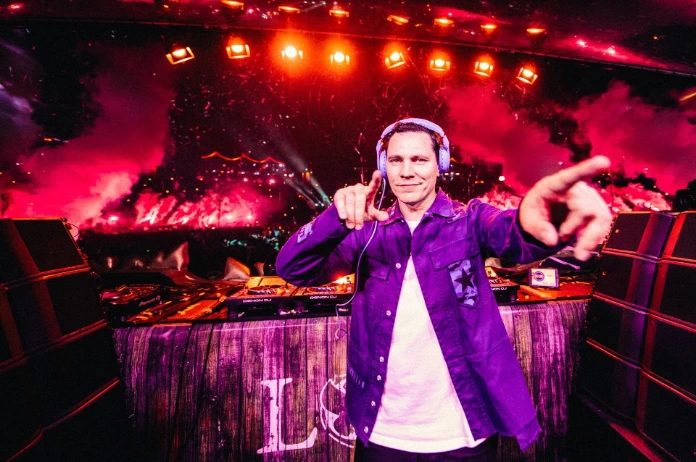
Few artists have managed to remain relevant in electronic music for more than three decades. Trends change, genres evolve and new generations of producers emerge every year, yet Tiësto has consistently found a way to stay at the centre of dance music. From becoming one of the biggest names in trance during the late 1990s to embracing the EDM explosion of the 2010s and later collaborating with global pop stars, his career has been defined by one remarkable ability: adaptation.
For millions of fans, Tiësto represents more than a successful DJ. He embodies the evolution of electronic music itself. His journey mirrors the transformation of the dance scene, moving from underground clubs to Olympic ceremonies, Las Vegas residencies, streaming platforms and the world's biggest festivals. Few artists have influenced so many different eras while remaining instantly recognisable.
In this post
- The early years in the Netherlands
- Becoming the king of trance
- The Olympic moment that changed everything
- Reinventing himself for a new generation
- From festivals to global pop
- Building a career that never stands still
- Why Tiësto changed electronic music
- Final Thoughts
From local clubs to international recognition
Born Tijs Michiel Verwest in Breda, the Netherlands, Tiësto discovered electronic music at a young age, fascinated by the growing house and rave culture that was spreading across Europe during the late 1980s.
Like many DJs of his generation, he began playing in small local clubs, learning how to read a crowd long before digital DJ software transformed live performances. Those early years were essential in shaping his understanding of dancefloors. Rather than simply playing records, he became obsessed with creating long musical journeys that kept audiences engaged for hours.
Throughout the 1990s, his reputation steadily grew thanks to countless club performances and a series of increasingly respected productions. By the end of the decade, Tiësto had already established himself as one of the most exciting names in the rapidly expanding trance scene.
The artist who defined an entire generation of trance
During the early 2000s, Tiësto became synonymous with trance music.
Albums such as In My Memory and projects like In Search of Sunrise showcased a sound that combined emotional melodies, uplifting breakdowns and cinematic atmospheres. Tracks including Lethal Industry, Traffic, Adagio for Strings and Just Be became defining moments for dance music, helping introduce trance to audiences far beyond dedicated club culture.
His marathon DJ sets were equally influential. Rather than focusing only on individual tracks, Tiësto built performances that unfolded over several hours, taking listeners through moments of energy, emotion and anticipation. Those experiences helped establish him as one of the world's premier DJs and inspired an entire generation of producers who viewed electronic music as storytelling rather than simply entertainment.
By the middle of the decade, Tiësto was no longer just a successful trance artist—he had become one of dance music's biggest international stars.
The Olympic performance that changed dance music forever
One moment, however, elevated Tiësto beyond the boundaries of club culture.
In 2004, he became the first DJ ever to perform during the opening ceremony of the Olympic Games, playing live at the Athens Olympics before a global television audience of billions.
At a time when many people still viewed DJs primarily as nightclub performers, the moment carried enormous symbolic importance. Electronic music was no longer confined to clubs and festivals; it had become part of one of the world's most prestigious international events.
For Tiësto personally, the performance represented a turning point. It confirmed that a DJ could occupy the same cultural space traditionally reserved for orchestras, pop stars and classical musicians.
Today, that performance is widely remembered as one of the defining moments in electronic music history.
Knowing when to evolve
Many artists struggle when musical trends begin to change.
Tiësto did the opposite.
As electro house and big-room sounds started dominating festivals in the late 2000s, he gradually moved away from the pure trance style that had made him famous. The transition initially surprised many longtime fans, but it demonstrated something that would define the rest of his career: a willingness to evolve rather than remain trapped by nostalgia.
Instead of repeating the same formula, Tiësto embraced new influences, collaborating with younger producers and experimenting with progressive house, electro and later future house and dance-pop.
Some criticised the change.
Others recognised that remaining creatively relevant often requires taking risks.
Looking back today, that decision allowed Tiësto to continue leading the electronic scene while many of his contemporaries became closely associated with a single era.

From festival icon to global pop collaborator
The next chapter of Tiësto's career expanded his audience even further.
Collaborations with artists including Post Malone, Ava Max, Charli XCX, Karol G, Tate McRae, The Chainsmokers and many others demonstrated his ability to move effortlessly between mainstream pop and electronic production.
Rather than abandoning dance music, Tiësto found ways to introduce its energy into radio-friendly songwriting, helping electronic sounds reach audiences who may never have attended a festival.
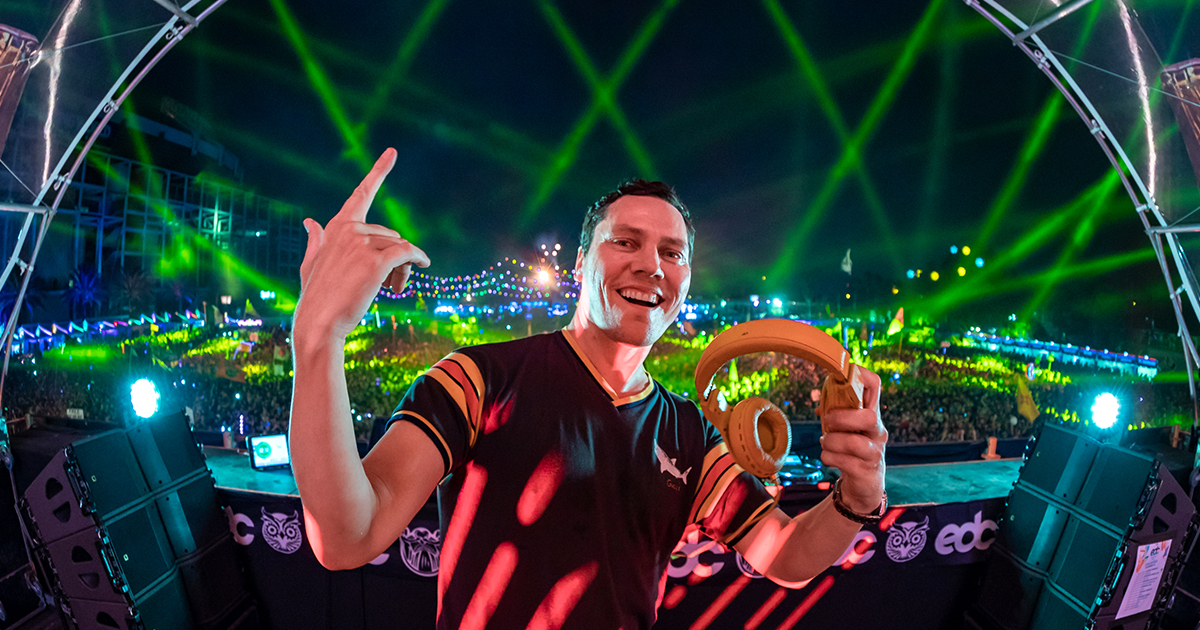
At the same time, he remained one of the biggest names on festival lineups, performing regularly at Tomorrowland, Ultra Music Festival, EDC Las Vegas and countless other international events.
Very few artists have managed to balance commercial success with continued relevance on the world's biggest dance stages as successfully as Tiësto.
A career built on constant reinvention
Perhaps Tiësto's greatest strength has never been producing one particular hit.
It has been his ability to understand where electronic music is heading.
Across more than thirty years, he has adapted to changing audiences, new production techniques and the evolution of streaming without losing the qualities that first made him successful. Whether performing extended trance sets, headlining EDM festivals or releasing crossover dance-pop singles, Tiësto has consistently demonstrated an openness to change that many artists struggle to embrace.
This willingness to evolve has also influenced younger generations of producers, proving that longevity often depends less on repeating past successes than on remaining curious about the future.
Why Tiësto's influence extends beyond music
Tiësto's impact cannot be measured solely through streaming numbers or festival appearances.
He helped transform public perception of DJs at a time when electronic music was still fighting for mainstream recognition. His Olympic performance, international tours and later Las Vegas residencies contributed to positioning DJs alongside the world's biggest live entertainers.
At the same time, his career became a blueprint for professionalism within electronic music. Consistent touring, careful branding and an extraordinary ability to remain relevant across multiple decades have made him one of the industry's most respected figures.
Many of today's superstar DJs grew up watching Tiësto perform.
For them, he was not simply another producer.
He represented what an electronic music career could become.
Final Thoughts
Few artists have experienced as many different chapters as Tiësto.
He helped define the golden age of trance, witnessed the global rise of EDM, embraced pop collaborations and continues to headline the world's biggest festivals more than thirty years after first stepping behind a pair of turntables.
His story is not one of constant reinvention for the sake of following trends. Instead, it reflects an artist who has always understood that electronic music is constantly evolving and that staying relevant means evolving with it.
From intimate Dutch clubs to the Olympic Games, from In Search of Sunrise to global chart hits, Tiësto has repeatedly demonstrated that longevity is earned through passion, curiosity and the courage to embrace change.
Electronic music has changed dramatically since the 1990s.
Through every era, Tiësto has found a way to remain part of its story.
Quick Facts
Real Name: Tijs Michiel Verwest
Stage Name: Tiësto
Born: January 17, 1969
Nationality: Dutch
Genres: Trance, Progressive House, Big Room, EDM, Dance Pop
Breakthrough Era: Early 2000s Trance Movement
Historic Achievement: First DJ to perform live during the Olympic Games Opening Ceremony (Athens 2004)
Notable Albums: In My Memory, Just Be, Elements of Life, A Town Called Paradise, Drive
Famous Tracks: Adagio for Strings, Traffic, Lethal Industry, The Business, Red Lights, Jackie Chan