
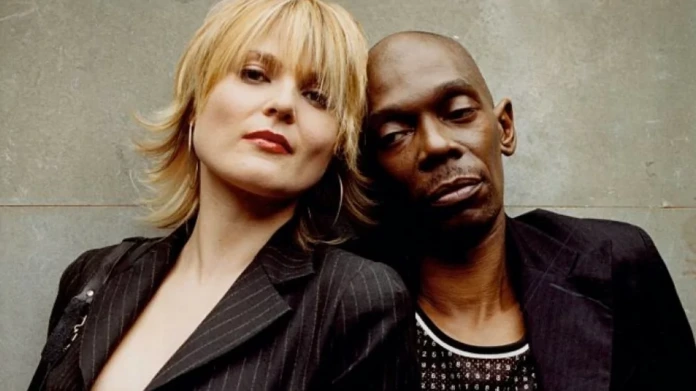
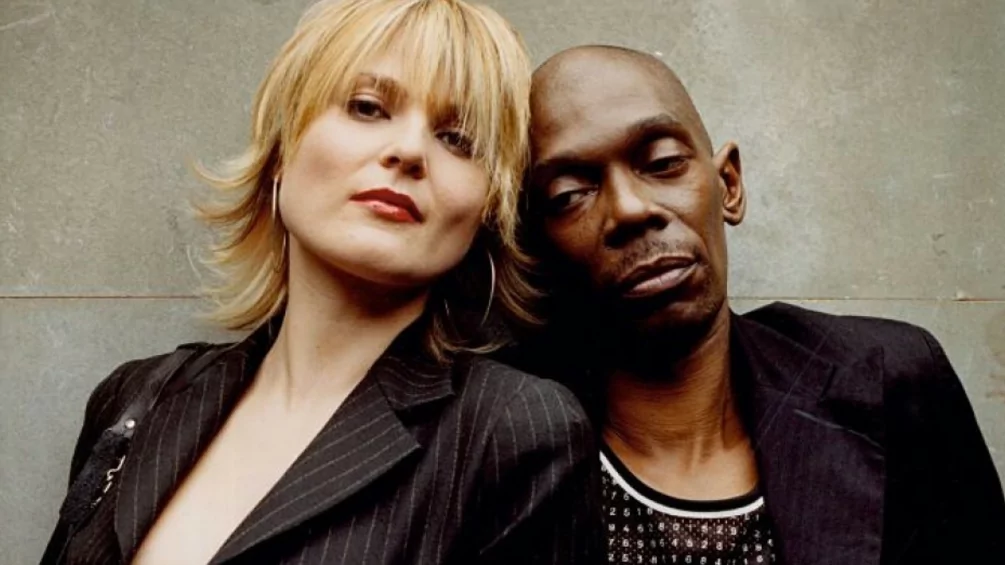
Some songs become so deeply woven into dance music history that they almost feel untouchable. Faithless' Insomnia is one of those records. Since its release in 1995, it has remained one of electronic music's defining anthems, recognised by generations of clubbers through Maxi Jazz's unforgettable spoken-word performance, Sister Bliss' hypnotic piano progression and an atmosphere that still fills dancefloors nearly thirty years later.
For that reason alone, the idea of revisiting Insomnia inevitably raises expectations. Countless producers have sampled it, remixed it or borrowed elements of its iconic melody, but very few have managed to capture what made the original so timeless.
With New Religion, Faithless take a completely different approach. Rather than recreating one of the greatest club records ever written, they reinterpret its emotional identity alongside Bebe Rexha, transforming familiar musical ideas into something that feels surprisingly contemporary. The result is neither a remake nor a remix, but a new chapter that connects one of dance music's most important classics with today's melodic electronic landscape.
In this post
- Revisiting one of dance music's greatest classics
- Bebe Rexha's vocal performance
- Production and atmosphere
- Why New Religion works
- Final thoughts
Revisiting a dance music monument
Very few electronic records have had the cultural impact of Insomnia.
Released in the mid-1990s, the track quickly became much more than a successful club single. It helped define progressive house for an entire generation, crossed over into mainstream radio and established Faithless as one of the most influential electronic acts of their era. Even today, its unmistakable piano motif and spoken-word breakdown remain instantly recognisable to audiences around the world.
That legacy makes any reinterpretation particularly risky. When a song reaches this level of iconic status, listeners naturally compare every new version to the original, often before hearing a single note. It would have been easy for Faithless to rely on nostalgia, simply rebuilding the same arrangement with a modern mix and hoping familiarity would do the rest.
Instead, they choose restraint.
Rather than reproducing Insomnia, New Religion borrows its emotional atmosphere and fragments of its musical identity before taking the song in an entirely different direction. It feels less like an attempt to update a classic and more like an acknowledgment that timeless music can continue to evolve without losing the qualities that made it special in the first place.
Bebe Rexha brings a different emotional perspective
The biggest transformation naturally comes through the vocal.
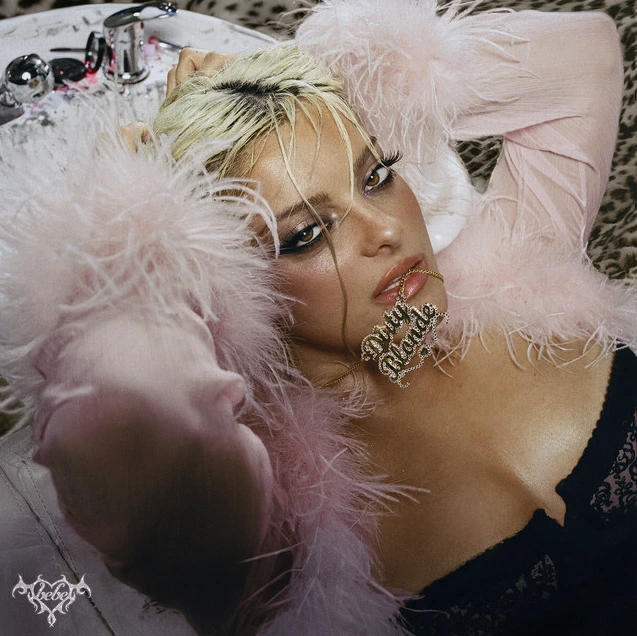
Where Insomnia revolved around Maxi Jazz's introspective spoken-word delivery, New Religion finds its identity through Bebe Rexha, whose performance immediately shifts the emotional balance of the song. Her voice adds warmth, vulnerability and melodic accessibility without ever overpowering the production.
This choice feels particularly appropriate considering Rexha's career. Over the past decade she has consistently demonstrated an ability to move comfortably between mainstream pop and electronic music, collaborating with artists such as David Guetta, Martin Garrix and G-Eazy while maintaining a recognisable vocal identity.
That experience becomes evident throughout New Religion. Rather than treating the vocal as a pop feature placed over an electronic instrumental, Faithless allow Rexha's performance to become part of the production itself. Her melodies flow naturally through the arrangement, creating emotional tension without sacrificing the track's club-oriented character.
The result is a song that feels intimate while remaining dancefloor-ready.
Modern production with respect for the original
From a production standpoint, New Religion is built for today's electronic music landscape.
The drums are heavier, the low-end feels richer and the overall mix is noticeably cleaner than the original, reflecting how dance music production has evolved over the past three decades. Yet despite these modern characteristics, the record never loses sight of its origins.
Perhaps the production's greatest strength is its discipline.
The famous musical ideas taken from Insomnia never dominate the arrangement. Instead, they appear almost like distant memories, surfacing at carefully chosen moments before giving space back to Rexha's vocal and the new melodic structure.
This subtle approach prevents the record from becoming an exercise in nostalgia. Rather than constantly reminding listeners of the original, Faithless allow the references to emerge naturally, rewarding long-time fans while ensuring that newcomers can appreciate the song without needing prior knowledge of Insomnia.
It is a surprisingly elegant balance between heritage and innovation.
A collaboration that feels genuine
Collaborations between legendary electronic artists and contemporary pop stars can often feel driven more by marketing than by musical chemistry.
Fortunately, that is not the case here.
Faithless bring decades of production experience and one of dance music's richest catalogues, while Bebe Rexha contributes a modern songwriting sensibility capable of connecting with today's audiences. Neither artist dominates the other, and that balance ultimately becomes the collaboration's greatest strength.
Rather than sounding like two separate worlds forced together, New Religion feels like a genuine meeting point between different generations of dance music. It respects the past without becoming trapped by it, while simultaneously embracing the polished production values and melodic songwriting that define much of today's electronic scene.
Why New Religion feels relevant
Perhaps the smartest decision behind the record is that it never tries to compete with Insomnia.
Faithless understand that replacing one of dance music's greatest classics would be impossible. Instead, New Religion exists alongside it, offering a fresh interpretation that complements the original rather than attempting to surpass it.
For listeners who grew up with Insomnia, the track offers an opportunity to rediscover familiar emotions through a different perspective. For younger audiences, however, it may become the first introduction to Faithless' extraordinary catalogue, encouraging them to explore one of electronic music's most influential records.
That ability to connect different generations is ultimately what makes New Religion successful.
It doesn't ask listeners to choose between the old and the new.
Instead, it reminds us that great dance music never truly disappears—it simply finds new ways to be heard.
Sound Breakdown
Vocal
Bebe Rexha delivers a confident and emotionally engaging performance that gives the song its own identity while respecting the atmosphere of the original.
Production
Faithless modernise the sound without overproducing it. The references to Insomnia are subtle, tasteful and never feel forced.
Atmosphere
The record balances melancholy, energy and nostalgia remarkably well, creating a listening experience that works equally well through headphones or on a festival sound system.
Originality
Using one of dance music's greatest classics as inspiration is always a challenge, but New Religion succeeds because it chooses reinterpretation over imitation.
Final Thoughts
Reimagining a record as influential as Insomnia requires confidence, but it also demands restraint.
Faithless clearly understand that the original's legacy cannot be recreated simply by repeating its most recognisable moments. Instead, New Religion honours that legacy by carrying its emotional essence into a completely different musical context, allowing the song to feel both familiar and refreshingly contemporary.
Bebe Rexha's vocal performance, combined with Faithless' refined production, creates a record that never depends solely on nostalgia. It stands comfortably on its own while gently reminding listeners why Insomnia remains one of dance music's defining masterpieces.
The original will always occupy a unique place in electronic music history.
But New Religion proves that great songs don't always need to be remade.
Sometimes, they simply need to be reimagined.