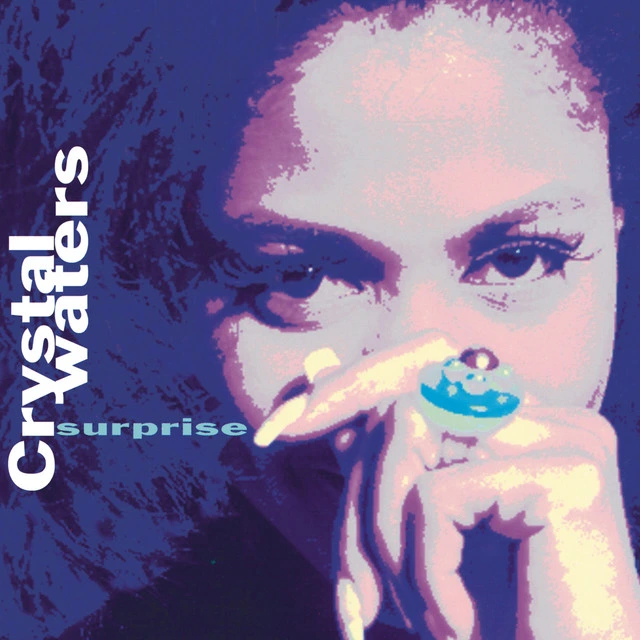
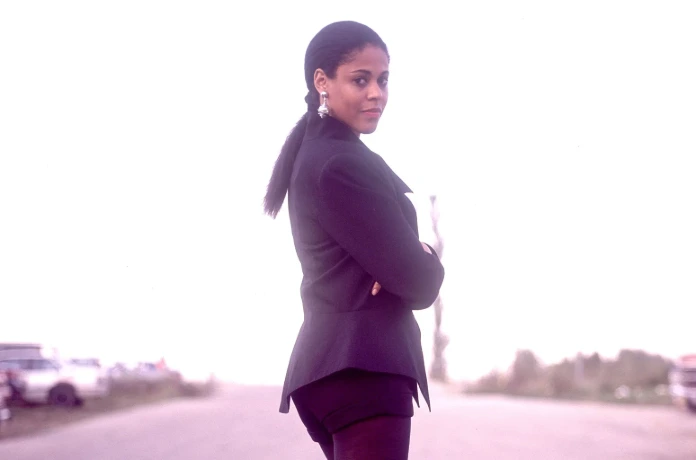
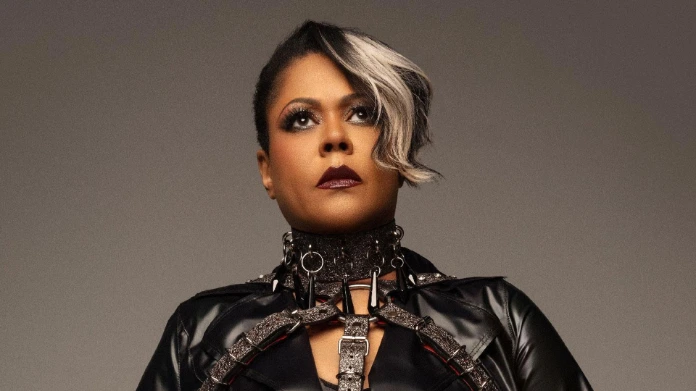
Some dance records are remembered because of a production technique, a vocal hook or a moment in club history. Crystal Waters’ “Gypsy Woman (She’s Homeless)” is remembered because it brought all three together with unusual emotional clarity.
Released in 1991, the track became one of the defining records of early vocal house, immediately recognisable through its hypnotic piano pattern and the now-famous “la da dee, la da da” refrain. Yet behind that apparently simple hook sits a much darker story: the song was inspired by a homeless woman Waters used to see in Washington, D.C., dressed carefully, wearing full makeup and singing gospel songs while asking passers-by for money. Waters later learned that the woman had lost her job at a cosmetics counter and had fallen into homelessness quickly, a revelation that changed the singer’s attitude and became the emotional foundation of the lyric.
That contrast is what gives “Gypsy Woman” its lasting power. The instrumental is bright, repetitive and built for movement, while the lyric describes precarity, dignity and the speed with which an ordinary life can collapse. The record invites people to dance, but it never allows the subject at its centre to disappear completely.
More than thirty years later, the song still works in clubs, festival sets, remixes and contemporary house productions because it was never only a product of 1991. It was built around a groove simple enough to become timeless and a story human enough to remain relevant.
In this post
- Crystal Waters before “Gypsy Woman”
- How she met the Basement Boys
- The woman who inspired the lyrics
- How the “la da dee” hook was created
- The piano riff and production
- Why the arrangement feels both joyful and unsettling
- The difference between the radio and club versions
- How the song became an international hit
- Its influence on house and dance music
- Why “Gypsy Woman” still feels modern
- Final thoughts
Before the hit: a songwriter working far from the spotlight
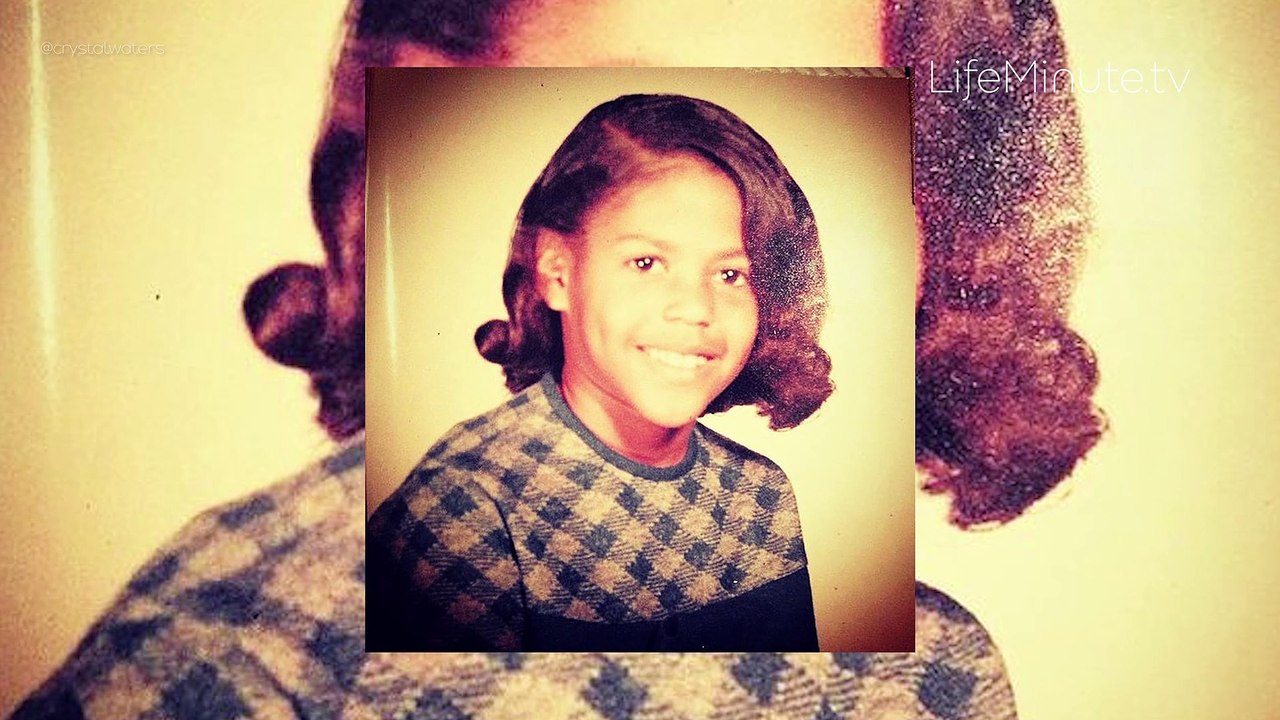
Crystal Waters did not begin her career as someone preparing to become an international dance star. Although music was present throughout her family history—her father was a jazz musician and her great-aunt Ethel Waters was a celebrated singer and actor—she initially followed a much more conventional path. She studied computer science and business-related subjects and later worked for the government in Washington, D.C., where her duties included processing legal and administrative information connected to arrest warrants and jail time.
Her entry into the music industry came almost by accident. After being encouraged to do something with her voice, Waters learned that a local studio was looking for a backing singer. She auditioned, earned approximately $600 from the job and realised that music could become more than a private interest. From there, she began making demos and attending music conferences, where she eventually met the Baltimore-based production team known as the Basement Boys.
The group recognised her strength as a writer as much as a singer. Waters brought a background shaped by jazz, poetry and storytelling, while the Basement Boys were deeply connected to house music and club culture. That combination became crucial. They were not simply looking for a vocalist who could sing over a beat; they had found someone capable of turning an instrumental into a complete narrative.
“Gypsy Woman” would become the clearest expression of that collaboration.
The song was originally intended for someone else
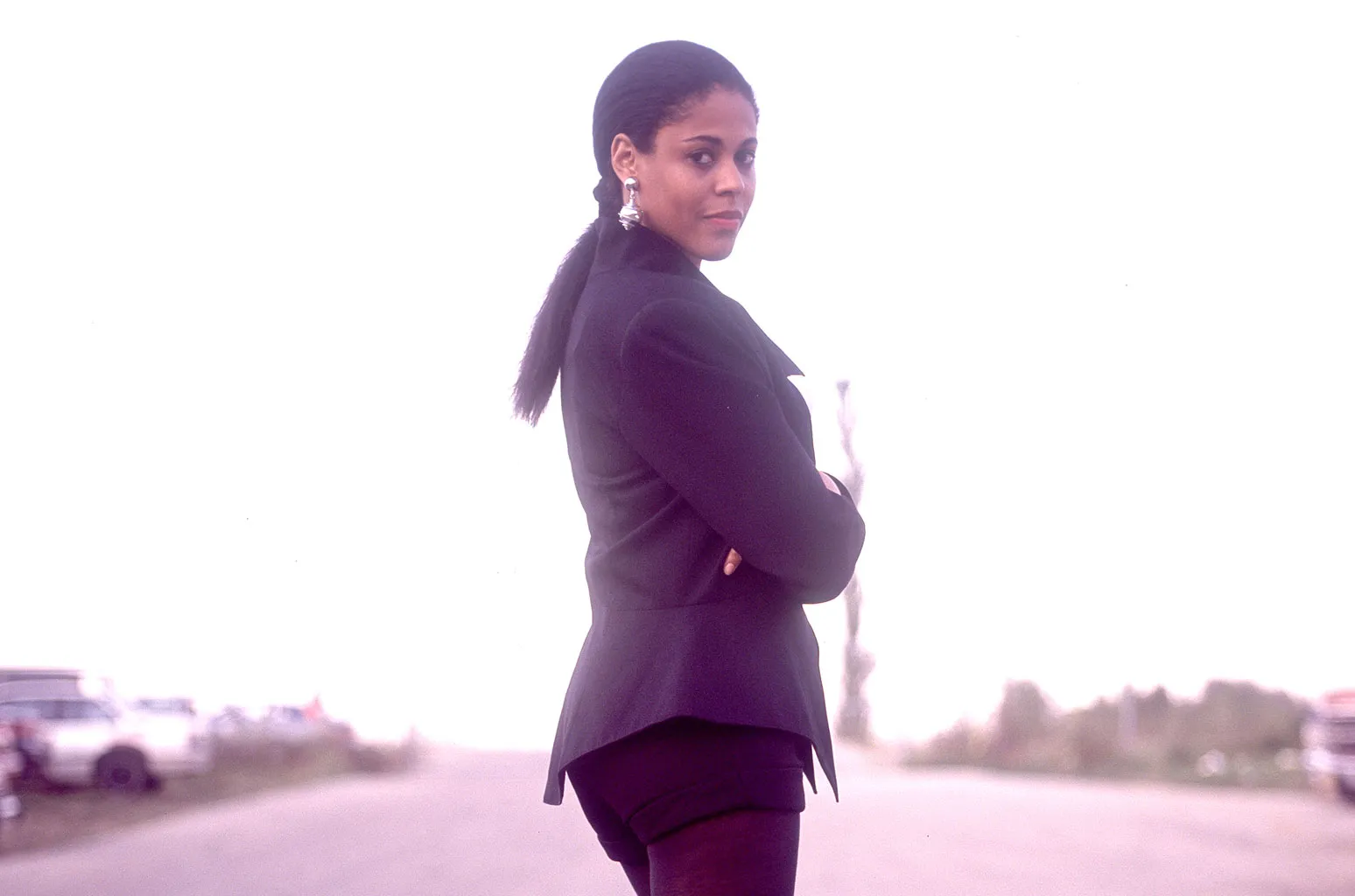
The early history of “Gypsy Woman” makes its eventual success even more surprising. The track was reportedly written with another vocalist in mind, Ultra Naté, who was also connected to the Basement Boys’ creative circle. Waters was initially expected to contribute as a songwriter and demo singer rather than as the final recording artist.
Once she recorded the demo, however, the producers reconsidered.
Her voice carried the story with a level of intimacy that would have been difficult to recreate through another performer. Waters had written the lyric from a real observation, and that personal connection could be heard in the phrasing. The Basement Boys therefore asked her to return and record the song properly, deciding that her voice belonged at the centre of the finished record.
Even that recording process was far removed from the image of a polished pop production. The group’s studio was located in a basement, and Waters recorded parts of the vocal in the bathroom because the space gave her voice a particular resonance. What later became one of house music’s most recognisable performances was therefore created in a modest environment, through a process driven more by instinct than by major-label luxury.
This origin is important because “Gypsy Woman” does not sound emotionally distant. Despite the programmed rhythm and repetitive structure, the vocal feels close, direct and almost conversational. Waters is not observing the woman in the story from a safe distance; she is trying to restore her humanity.
The real woman behind the lyrics
The emotional centre of the song came from a woman Waters had seen regularly on the streets of Washington.
She was homeless, yet she dressed carefully, wore full makeup and appeared determined to maintain a sense of dignity. She would stand outside, sing gospel songs and hold out her hand for money. Waters admitted that her first reaction had been judgmental: she wondered why the woman did not simply find work. That perception changed when a local newspaper published her story. The woman had previously worked at a cosmetics counter, lost her job and fallen into homelessness quickly. She continued applying makeup and dressing well because she believed that, even while asking for help, she needed to appear clean and respectable.
That detail became the opening image of the song.
The lyric does not present homelessness as an abstract social issue. It begins with routine, appearance and care. The woman wakes early and prepares herself, not because she has a normal workplace to attend, but because maintaining her appearance is one of the few forms of control she still possesses.
This makes the track more powerful than a straightforward piece of social commentary. Waters does not explain the woman through statistics or political language. Instead, she focuses on a daily action that listeners can recognise: getting ready in the morning.
The tragedy lies in the context.
What might ordinarily suggest stability, employment or confidence becomes evidence of someone trying to preserve dignity after those structures have disappeared.
How “la da dee, la da da” was born
The most famous part of “Gypsy Woman” did not begin as a calculated pop hook.
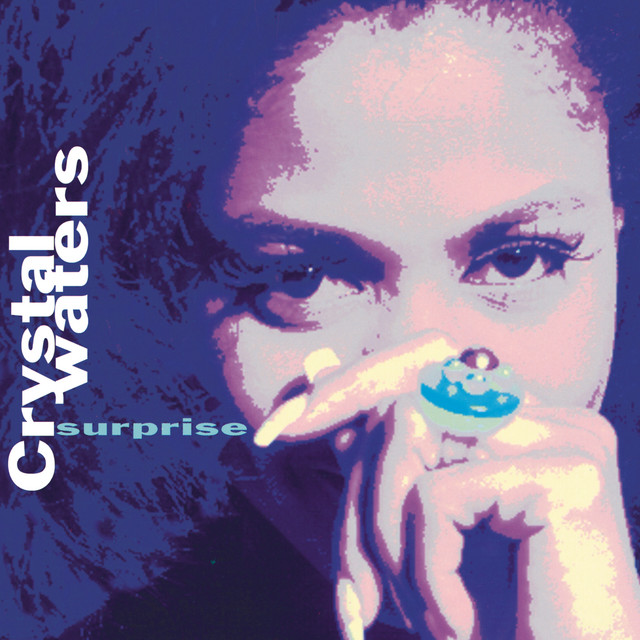
When Waters first received the instrumental on cassette, she struggled to fit conventional words into the short rhythmic spaces of the track. Rather than forcing a lyric into the melody, she began singing nonsense syllables: “la da dee, la da da.” The producers reacted immediately, recognising that the phrase had the simplicity and rhythmic precision required to become unforgettable.
The hook works because it operates on several levels at once.
Musically, it is effortless to remember. The syllables are short, open and rhythmically aligned with the groove, making them easy to sing even for listeners who do not speak English. This helped the record travel internationally, because the chorus required no translation.
Narratively, however, the phrase is not meaningless.
Within the story of the song, it represents the homeless woman singing on the street. The joyful-sounding refrain therefore becomes part of the scene Waters is describing. It is not simply a catchy vocal device added to improve the commercial potential of the record; it is the voice of the woman herself, heard from the perspective of someone walking past her.
That dual function is one of the song’s greatest achievements.
The phrase sounds light enough to fill a dancefloor, yet its meaning becomes more unsettling once the listener understands the context. The same hook can be experienced as joyful, hypnotic or deeply sad, depending on how closely the lyric is heard.
Few dance songs create that tension so efficiently.
The piano riff that made the track unmistakable
If the vocal hook gives “Gypsy Woman” its universal singalong quality, the piano is what makes the record recognisable from the opening moments.
Producer and songwriter Neal Conway explained that he began the track with the piano, then built the bassline and drums around it before adding strings and orchestration through a Leslie speaker. His influences at the time included soul figures such as Barry White, Curtis Mayfield and Isaac Hayes, even though the surrounding club environment was increasingly shaped by house records from Chicago and New York.
That combination of influences helps explain why the track feels warmer than many stripped-down house records from the same period.
The piano is repetitive, but it is not cold. Its chords contain a soulful quality, while the bassline beneath them provides enough movement to keep the groove alive. Rather than relying on a dramatic chord progression, the production uses repetition to create hypnosis.
The pattern does not need to travel far harmonically because its purpose is rhythmic as much as melodic. Each return reinforces the song’s identity, allowing the listener to recognise the record almost instantly.
This is similar to the role played by the lead in Martin Garrix’s “Animals” or the organ riff in Robin S.’s “Show Me Love.” The central musical idea is simple enough to be understood immediately, but distinctive enough to define the entire production.
The difference is emotional.
Where “Animals” uses minimalism to create tension and festival impact, “Gypsy Woman” uses it to create a strangely intimate atmosphere. The piano feels welcoming, but the lyric underneath it remains painful.
A production built between soul and early house
“Gypsy Woman” belongs to the early 1990s house movement, yet its production carries a broader musical history.
The four-on-the-floor rhythm places it clearly inside club culture, while the bassline and keyboard arrangement draw from funk, soul and disco traditions. Conway’s orchestration gave the original version a fuller, more polished character, with strings and harmonic detail designed to work on radio as well as within the emerging dance market.
The Basement Boys, however, understood that club audiences often required something more direct.
They believed Conway’s original arrangement was perhaps too beautiful and too polished for certain dancefloors, so they created the “Strip to the Bone” mix for the B-side. That version removed much of the orchestration and placed greater emphasis on the keyboard groove and rhythm. DJs began favouring the more stripped-down version, confirming that the song could operate both as a radio-friendly vocal record and as a more functional house track.
This dual identity played an important role in its success.
The fuller production made the song accessible to listeners outside club culture, while the reduced mix gave DJs the space and rhythmic clarity they needed. Rather than choosing between pop and the dancefloor, “Gypsy Woman” found a way to serve both.
That balance later became a defining feature of vocal house.
A strong house record could remain repetitive and physically effective while also carrying a complete lyric, a recognisable vocalist and enough emotional detail to succeed on mainstream radio.
Why the groove feels joyful and uneasy at the same time
The emotional contradiction inside “Gypsy Woman” is not accidental. It is built into the relationship between the arrangement and the lyric.
The piano sounds bright, the hook is playful and the rhythm is inviting. On a superficial level, the track feels celebratory. Yet the words describe someone who has lost her home and is trying to preserve dignity while surviving in public.
This creates a subtle discomfort.
Listeners can enjoy the song without immediately processing its meaning, which Waters herself recognised after the release. She became concerned that audiences were hearing the hook and ignoring the story, so the subtitle “She’s Homeless” was added more prominently to later pressings in order to make the subject impossible to miss.
That decision reveals the seriousness with which she viewed the lyric.
The homelessness narrative was not decorative. Waters did not want the track to be remembered only as the song with “la da dee” in the chorus. The hook attracted attention, but the story gave that attention a purpose.
The contrast also reflects a much wider tradition within dance music.
Disco and house have often transformed difficult emotions into communal energy. Songs about loneliness, heartbreak, rejection and marginalisation become records through which people release those feelings together.
“Gypsy Woman” takes that tradition further by addressing social vulnerability rather than only romantic pain.
The dancefloor does not erase the sadness.
It gives the sadness somewhere to move.
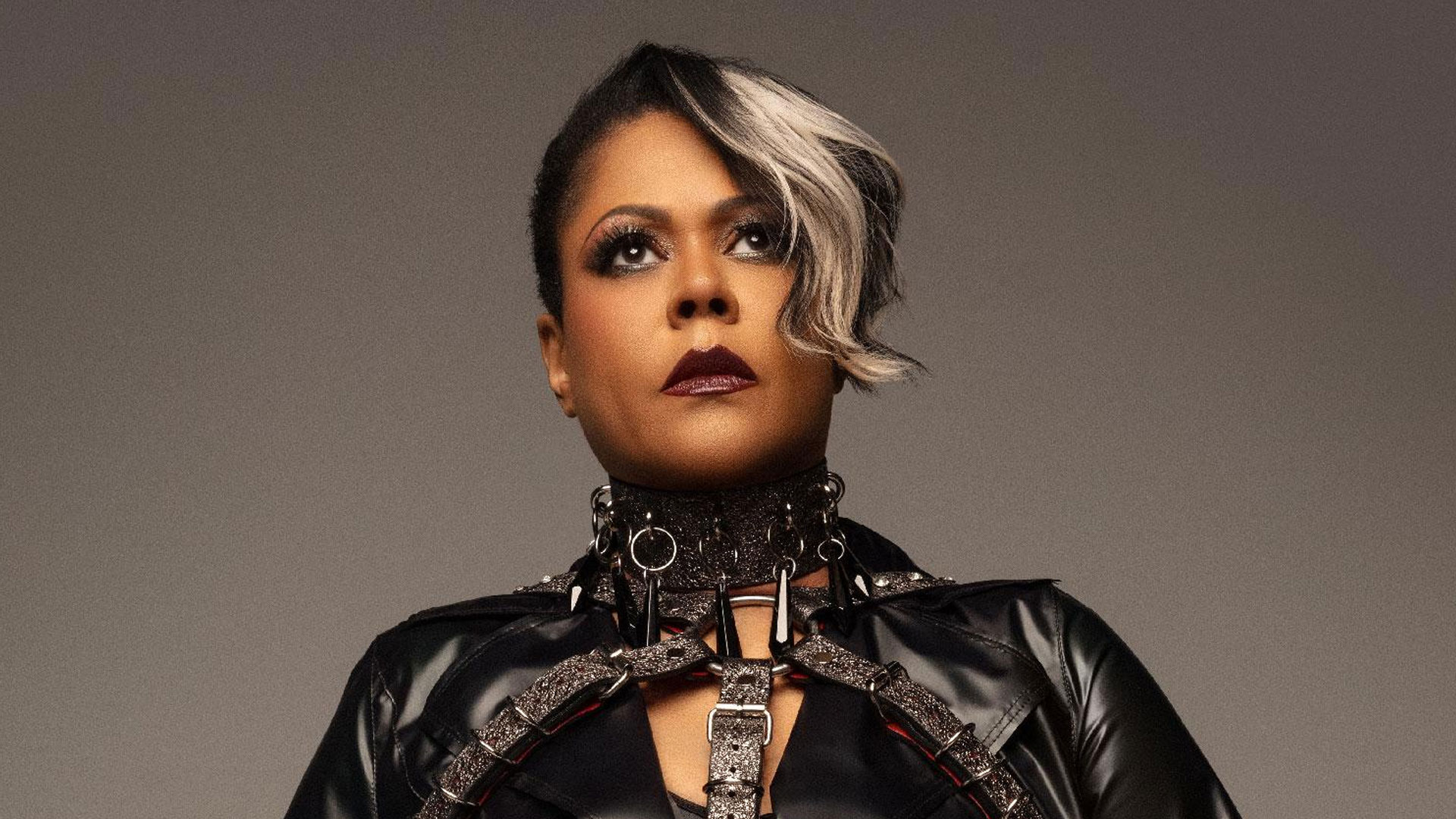
Crystal Waters’ vocal: unusual, direct and impossible to replace
Waters’ voice was not conventionally smooth, and that became one of the song’s greatest strengths.
Her tone has a nasal, slightly rough quality that gives the performance immediate character. Rather than delivering the lyric like a polished soul diva, she sings with an observational directness that suits the storytelling. The voice sounds close to the listener, as though the scene is being described by someone who actually witnessed it.
This helped distinguish “Gypsy Woman” from the many vocal-house records that depended on technically powerful but less individually recognisable performances.
Waters did not sound anonymous.
From the first verse, the record had a personality.
Her phrasing also interacts closely with the instrumental. The lines are short and rhythmically controlled, leaving space between phrases for the piano and bassline to continue doing their work. The vocal does not fight the groove; it becomes part of it.
This is especially clear in the chorus, where the nonsense syllables function almost like another percussion instrument. The voice is simultaneously carrying melody, rhythm and narrative.
The Basement Boys’ decision to keep Waters as the final vocalist therefore proved essential. Another singer may have delivered a technically cleaner performance, but the song would likely have lost the sense that the person singing understood exactly who the woman in the lyric was.
From a Washington studio to an international hit
When the song was released in 1991, neither Waters nor the production team expected it to become an international phenomenon.
The track quickly moved beyond American clubs, reaching radio and charts across Europe. In the United Kingdom, “Gypsy Woman (La Da Dee)” entered the Official Singles Chart at number three and climbed to number two the following week, remaining on the chart for ten weeks. It also reached number eight on the Billboard Hot 100 in the United States and topped Billboard’s dance chart.
Its commercial performance was remarkable for several reasons.
The production was unmistakably rooted in house music, a genre still moving from specialist clubs into mainstream culture. The vocalist was unknown to most audiences. The central lyric addressed homelessness, while the chorus consisted largely of syllables without conventional meaning.
None of those elements followed a predictable pop formula.
Yet together they created a record that could work in New York clubs, British radio, Italian dance programmes and charts across Europe. The song reportedly reached number one in several countries, including Italy, where it became part of the early-1990s dance culture remembered through programmes and DJs such as Albertino.
The success confirmed that house music could carry serious subject matter without losing its physical appeal.
It also established Crystal Waters as a distinctive new voice rather than merely a session singer attached to a producer-led project.
Why “Gypsy Woman” was important for vocal house
By 1991, house music had already developed strong traditions in Chicago, New York, Baltimore and Europe, but “Gypsy Woman” helped demonstrate how the genre could connect club functionality with mainstream storytelling.
The record did not treat the vocal as a decorative sample. It presented a complete character and a specific situation, giving listeners something to understand as well as something to dance to.
This became increasingly important as dance music moved into the charts.
Vocal-house records that followed often used emotionally direct lyrics, memorable piano or organ patterns and stripped-down club arrangements capable of working across both radio and extended mixes. “Gypsy Woman” was not the only song responsible for that evolution, but it remains one of its clearest early examples.
The track also helped redefine what a dance anthem could discuss.
A club record did not need to be exclusively about celebration, romance or nightlife. It could address economic vulnerability and homelessness without becoming musically heavy or losing its accessibility.
That possibility gave house music greater emotional range.
The enduring power of the piano-house formula
The influence of “Gypsy Woman” can still be heard in modern house music.
Its combination of a repeated piano figure, a simple bassline, a four-on-the-floor beat and a compact vocal hook has become one of the genre’s most durable structures. Countless producers have revisited similar arrangements, especially during periods when piano house, deep house and 1990s-inspired dance music return to popularity.
The reason is simple: the formula creates instant recognition without requiring a dense production.
A strong piano motif can carry harmony and rhythm simultaneously, while a short vocal phrase gives the audience something to remember. When those elements are supported by a clean drum pattern, the result can feel both familiar and emotionally immediate.
Yet the success of “Gypsy Woman” also demonstrates why copying the surface is not enough.
The song’s piano pattern matters because it is tied to a specific vocal and a specific story. The “la da dee” hook matters because it represents the woman singing in the street. The production and lyric are connected in a way that many later imitations are not.
That connection gives the record depth beneath its simplicity.
A hook that crossed languages and generations
One reason “Gypsy Woman” travelled so successfully is that its main hook belongs to no language.
“La da dee, la da da” can be sung almost anywhere, by almost anyone. The phrase does not require translation, and its rhythmic simplicity makes it easy for crowds to repeat after hearing it only once.
This universality gave the record an advantage in European markets, where English-language dance music was spreading rapidly but where a purely lyrical chorus might not always connect as immediately.
The hook became a piece of shared musical vocabulary.
People who did not know Crystal Waters’ name could still recognise the song. People who had never heard the verses could sing the chorus. DJs could introduce the instrumental and create anticipation before the vocal even arrived.
Over time, that recognition allowed the track to move between generations. Older listeners associated it with early-1990s clubs and radio, while younger audiences encountered it through samples, remixes, social media, festival edits and house revivals.
The sound aged, but the hook did not.
Why the song still works in DJ sets
“Gypsy Woman” remains useful to DJs because it combines familiarity with structural simplicity.
The piano riff can be recognised almost immediately, but the arrangement leaves enough space for mixing. The vocal creates a communal moment without overwhelming the rhythm, while the groove remains steady enough to connect with contemporary house records.
It can be played in several different ways.
A DJ can use it as a nostalgic peak-time moment, include a stripped-down remix in a modern house set or tease the vocal over another instrumental. The track’s central components are strong enough to survive reinterpretation because each one has a clear identity.
The record is also emotionally flexible.
For some audiences, it feels uplifting. For others, it carries melancholy. For listeners who understand the lyrics, the joy of the instrumental is complicated by the story. That ambiguity allows the track to create a richer atmosphere than a straightforward party anthem.
It brings people together, but it also leaves something to think about after the chorus ends.
The difference between a classic and a period piece
Many dance records from the early 1990s remain enjoyable because they recreate the atmosphere of that period. “Gypsy Woman” goes further because its main ideas still operate inside contemporary music.
The piano remains effective.
The bassline still moves.
The vocal remains recognisable.
The subject has not lost relevance.
This is the difference between nostalgia and longevity. Nostalgia depends on memory, while longevity allows a record to function for people who have no personal connection to its original release.
A listener born years after 1991 can still understand the emotional conflict immediately. The production may sound classic, but it does not require historical knowledge to work.
That is why the track continues to be sampled and referenced rather than simply preserved.
It remains active inside the culture.
Sound Breakdown
The piano
The piano is the track’s central instrumental identity. Its repeated pattern functions as both harmonic foundation and rhythmic hook, providing enough movement to carry the record without a complicated progression. Neal Conway built the track from the piano before adding bass, drums, strings and orchestration.
The bassline
The bassline follows the piano closely enough to reinforce the groove but retains its own movement. It gives the track warmth and physical weight without becoming aggressive.
The drums
The four-on-the-floor kick places the record firmly inside house music, while the restrained percussion allows the vocal and keyboard pattern to remain central.
The orchestration
The original production included strings and fuller harmonic layers played through a Leslie speaker, creating a polished and soulful radio version. The Basement Boys later removed much of that material for the “Strip to the Bone” mix, which became especially popular with club DJs.
The vocal hook
The “la da dee, la da da” phrase was created because Waters could not find conventional words that fit the short rhythmic spaces. It became the song’s main hook and, within the narrative, represented the homeless woman singing on the street.
The verses
The verses provide the social meaning behind the chorus, describing the woman’s morning routine and her effort to remain presentable despite homelessness.
The contrast
The production feels uplifting, while the lyric is deeply serious. That emotional contradiction is the reason the track remains more affecting than a standard piano-house anthem.
Why “Gypsy Woman” became timeless
The song became timeless because its musical and emotional ideas support each other.
The piano riff catches the listener immediately, but the lyric gives the repetition meaning. The chorus sounds simple, but the story behind it changes the way the hook is heard. The beat encourages movement, but the subject prevents the experience from becoming entirely carefree.
This balance is difficult to reproduce.
A song that focuses too heavily on its message can lose the physical immediacy required for a dancefloor. A track that focuses only on the groove can become disposable. “Gypsy Woman” achieves both without allowing either side to dominate completely.
Its success also came from authenticity.
Waters did not invent a generic character for emotional effect. She wrote about someone she had seen, judged and later understood differently. The lyric therefore emerged from a genuine change in perspective.
That personal transformation gives the song moral weight without turning it into a lecture.
The record does not tell listeners exactly what to think.
It asks them to look again.
Final thoughts
The story of “Gypsy Woman” is not only the story of a successful house record.
It is the story of how a small observation became a global anthem, how a nonsense vocal became a universal hook and how a bright piano groove carried one of dance music’s most serious narratives.
Crystal Waters began with the image of a woman who woke early, prepared herself carefully and went out into the streets despite having no home. That detail allowed the song to avoid reducing homelessness to an anonymous condition. The woman had a routine, a history and a sense of dignity. She was not invisible, even if much of the city treated her that way.
The Basement Boys and Neal Conway then placed that story inside a production that was warm, repetitive and immediately accessible. The piano created recognition, the bassline and drums created movement, and the “la da dee” refrain gave audiences a phrase they could carry with them after the record ended.
What makes the track extraordinary is that none of those elements weakens the others.
The social message does not prevent the song from working in a club.
The club energy does not erase the sadness of the lyric.
The hook does not simplify the woman into a slogan.
Instead, the song holds all of those contradictions together.
That is why “Gypsy Woman” still feels alive more than three decades after its release. It belongs to the history of piano house, to the story of early-1990s dance music and to the moment when Crystal Waters moved from government work and backing vocals into international recognition. Yet it also belongs to the present, because the instability and dignity described in the song have not disappeared.
Many records have borrowed its piano-driven structure.
Many vocal hooks have tried to match its simplicity.
Very few songs have created the same emotional aftertaste.
“Gypsy Woman” makes people dance, but its greatest achievement is that, somewhere inside the groove, it asks them to notice someone they might otherwise have walked past.
If you made it this far, thank you for reading. Have a good music day.