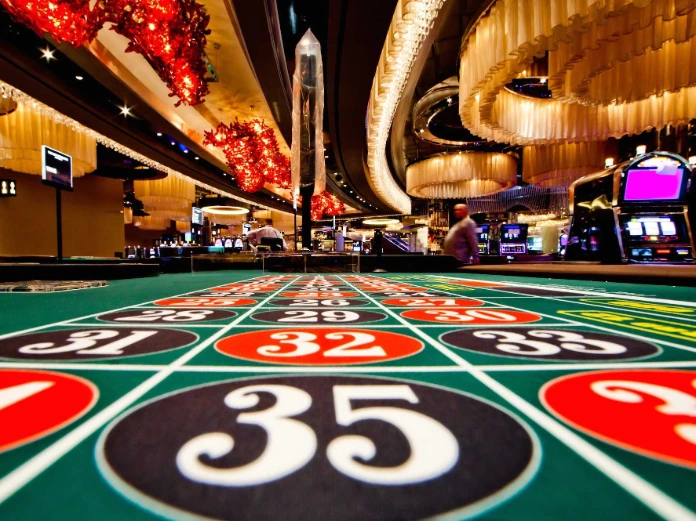
Walk into a casino and the first thing you notice is usually what you can see: flashing slot machines, gaming tables, screens, carpets designed to catch the eye and an almost constant movement of people across the floor. Yet underneath all of that sits another part of the experience that is much easier to ignore. A casino is almost never silent.
Music blends with slot-machine jingles, conversations, electronic effects and the occasional sound of a win to create an environment that feels permanently active. In many venues, this soundtrack is not simply background entertainment added after everything else has been designed. It is part of the atmosphere itself, helping different spaces feel energetic, sophisticated, relaxed or intense depending on what kind of experience the casino wants to create. Rolling Stone UK describes the auditory environment as part of a carefully constructed combination of visuals, gameplay and music, while online casino games increasingly reproduce the same principle through soundtracks and responsive effects.
That makes casino music an interesting example of something we often explore in Playlist Tips: the songs playing around us may seem incidental, but the right soundtrack can fundamentally change how we experience a physical space.
In this post:
- Why Casinos Are Almost Never Silent
- The Psychology Behind the Soundtrack
- Fast Music, Slow Music and the Rhythm of the Room
- Why a Casino Doesn't Have Just One Playlist
- Jazz, Electronic Music and the Sound of Luxury
- When the Slot Machine Becomes Part of the Music
- Online Casinos Have Their Own Soundtracks
- The Hidden Importance of Time
- What Makes a Good Casino Playlist?
- Final Thoughts
Why Casinos Are Almost Never Silent
Imagine the same casino floor without music or electronic sounds. Roulette wheels would continue spinning, cards would still be dealt and slot machines would continue operating, but the room would immediately feel different. The silence between conversations would become noticeable, individual mechanical noises would become more exposed and much of the sense of constant activity associated with casinos would disappear.
This is one reason music has become such a natural part of the environment. Rolling Stone UK notes that background music helps establish the tone of different casino spaces, ranging from jazzier sounds associated with sophisticated environments to livelier music in busier gaming areas. Different sections can therefore be given different musical identities rather than treating an entire casino as one enormous room with a single playlist.
Music can also soften everything else happening acoustically. Casinos contain dozens or sometimes hundreds of simultaneous sounds, so the objective is not necessarily to make visitors actively listen to every song. Often the playlist needs to become part of the room itself, maintaining continuity while leaving enough space for conversations, game sounds and other activity.
In that sense, casino music has something in common with restaurant or hotel playlists: the best soundtrack may be the one you do not consciously notice until somebody turns it off.
The Psychology Behind the Soundtrack
Casino music becomes more interesting when we move beyond atmosphere because several of the sources you provided discuss the relationship between sound and player behaviour.
Tempo is particularly important. Eonmusic notes research suggesting that faster music can be associated with quicker betting, while slower music may create a more relaxed environment in which people remain at a game for longer. Substream similarly discusses research connecting background tempo with betting speed.
That does not mean that simply playing a 130 BPM dance track will automatically make everyone gamble faster. Human behaviour is considerably more complicated than that, and a casino contains many simultaneous influences. But it does demonstrate why music selection in these environments can involve much more thought than choosing a collection of popular songs.
The playlist determines the pace of the room.
A high-energy soundtrack can make an already busy floor feel even more active, while softer music can make a premium gaming area feel slower and more controlled. The difference is comparable to what happens between a crowded bar on Saturday night and the lobby of a luxury hotel: both use music, but they are trying to produce completely different psychological environments.
Fast Music, Slow Music and the Rhythm of the Room
This makes BPM one of the most useful tools when constructing a casino playlist.
Imagine an energetic slot-machine area filled with movement, bright displays and constant electronic sounds. Slow ambient music could conflict with everything happening visually. Upbeat pop, funk, house or accessible electronic music can instead reinforce the sensation that something is constantly happening around the player.
Move into a quieter high-stakes room and the objective changes. The atmosphere may need to communicate exclusivity and concentration rather than excitement, making jazz, soul, lounge or restrained electronic music much more natural choices. Rolling Stone UK specifically notes this distinction between calmer music in high-stakes environments and more energetic soundtracks around slot-machine areas.
This is why asking “What music do casinos play?” does not really have one answer.
A better question is: what does this particular part of the casino need to feel like?
Why a Casino Doesn't Have Just One Playlist
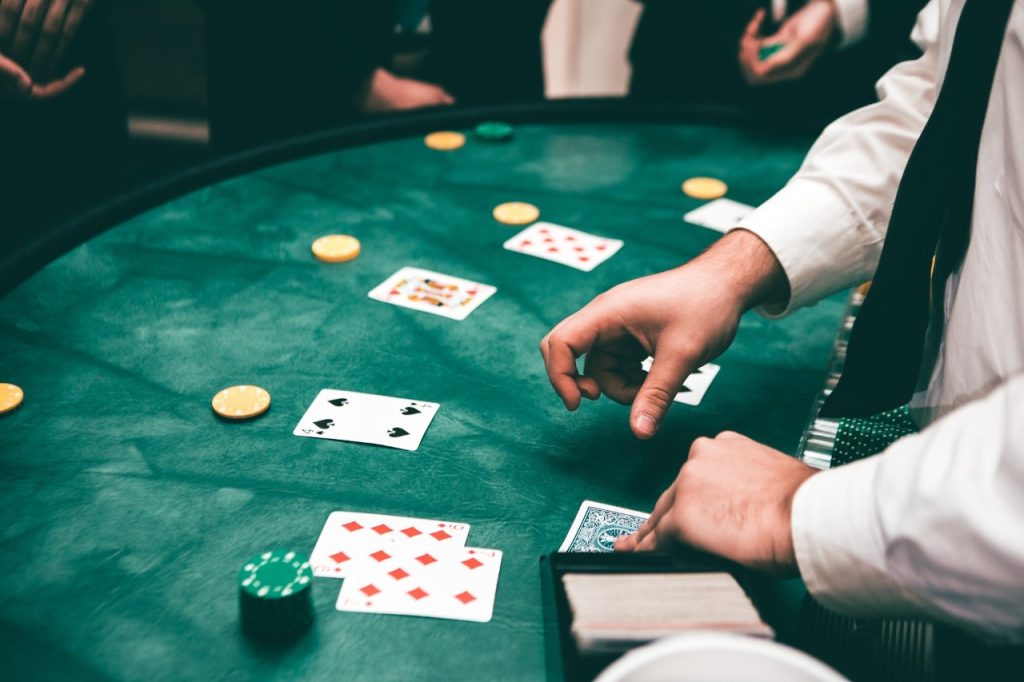
Large casinos can essentially operate like several venues occupying the same building.
The main gaming floor might require accessible, energetic music capable of working across a broad demographic. A cocktail bar can move toward house, disco or contemporary lounge music. A restaurant needs something less intrusive. VIP and high-stakes spaces may benefit from sophisticated soul, jazz or understated electronic selections, while a late-night entertainment area can become considerably louder and more club-oriented.
Eonmusic describes this type of zoning directly, explaining that musical themes can change according to the activity taking place in different parts of a casino. The publication also notes that casinos can adapt selections according to the cultural and demographic profile of their visitors.
This makes the soundtrack surprisingly similar to programming a small music festival. The curator cannot simply choose good tracks individually; the tracks have to make sense at a particular time, in a particular place and for a particular audience.
And just like a DJ set, energy needs somewhere to go.
Jazz, Electronic Music and the Sound of Luxury
Certain genres have become particularly connected with the cultural image of casinos.
Jazz is perhaps the most obvious example. Decades of films, Las Vegas imagery and luxury entertainment have connected jazz, swing and lounge music with gambling environments, creating an association that can immediately communicate elegance even before a visitor sits at a table.
But the contemporary casino soundtrack is considerably broader. Electronic music works naturally in modern gaming environments because its repetitive rhythm can blend into the continuous activity of the room without demanding the same attention as lyric-heavy pop. House and disco can create movement in bars and social areas, while ambient and downtempo electronic music can work in premium spaces where the objective is sophistication rather than intensity.
The important factor is therefore not necessarily genre itself. It is what the genre communicates about the space.
A classic jazz record can make a room feel timeless. Disco can make it playful. House can make it contemporary. Lounge can make it expensive.
The playlist becomes another piece of interior design.
When the Slot Machine Becomes Part of the Music
There is also something unusual about casino playlists that separates them from almost every other environment we have covered in Playlist Tips: the music has to coexist with hundreds of other intentionally designed sounds.
Slot machines produce melodies, celebratory jingles and short sonic cues when something happens. Bonus rounds can introduce different musical sections, while wins are often accompanied by bright, positive sounds. Rolling Stone UK notes that some games use dynamic soundtracks that change tempo or musical character in response to gameplay, making sound part of the interactive experience rather than merely a background layer.
Substream goes even further, describing the casino floor as a combination of background music, slot-machine sounds and reactions from other players. The result is effectively one enormous, constantly changing soundscape.
This means that whoever selects the background music has another problem to solve: the playlist cannot fight with the games themselves.
Too much musical information could turn the room into chaos. Too little could expose the repetitive electronic sounds around it. The ideal soundtrack has to sit somewhere between those extremes.
Online Casinos Have Their Own Soundtracks
Remove the physical casino and sound arguably becomes even more important.
An online player does not have the noise of a crowded room, people moving between tables or the wider atmosphere of a physical venue. Game developers therefore use music and sound design to create part of that missing sense of environment.
Rolling Stone UK notes that online games can use soundtracks aligned with their visual themes and narratives, while musical intensity can change during particular moments such as bonus rounds or wins. A game based around ancient Egypt might use one sonic palette, while a futuristic game can move toward electronic sounds to reinforce its visual identity.
This is closer to video-game scoring than traditional playlist creation.
The music reacts to what is happening on screen, creating anticipation before an event and changing when something significant occurs. Instead of accompanying a room, it accompanies an interaction.
The underlying principle, however, remains exactly the same: sound tells the player how the experience is supposed to feel.
The Hidden Importance of Time
One of the more controversial ideas surrounding casino design is the relationship between the environment and our perception of time.
Substream discusses how the combination of continuous sound, stimulation and the traditional absence of obvious clocks or windows can make it harder for players to keep track of how long they have been engaged. The publication also recommends setting explicit time limits as a way of remaining conscious of this effect.
Music contributes because it can remove obvious interruptions. A carefully programmed sequence can continue for hours without creating a clear sense that one period has ended and another has begun.
Think about how differently we perceive time when listening to an album compared with an endless playlist. An album has an opening, development and ending. A continuous background playlist can simply keep going.
For a casino, that continuity can be useful for maintaining atmosphere, but it also raises an important ethical question. There is a difference between using music to create an enjoyable entertainment environment and deliberately designing sound to encourage people to remain engaged beyond the point they intended. Eonmusic explicitly acknowledges this tension, arguing that casino operators have to consider the boundary between influence and manipulation.
What Makes a Good Casino Playlist?
Building an effective casino playlist therefore requires much more than collecting songs associated with Las Vegas.
The first consideration should be location. A slot floor, cocktail bar, restaurant and VIP room should not necessarily share the same soundtrack. Next comes energy: the BPM and intensity need to match what is happening visually and socially in that area. Genre comes afterwards, because jazz, disco, house, soul, pop and electronic music can all work when they communicate the correct identity.
Transitions matter too. A playlist that jumps randomly from relaxed jazz to aggressive dance music and then back to acoustic pop will constantly remind listeners that somebody is selecting tracks. A strong background playlist should instead create continuity, allowing musical energy to evolve gradually without repeatedly breaking the atmosphere.
Finally, there is volume. Casino music does not need to dominate the room. In many situations, it works better when it becomes one layer inside a much larger soundscape of conversations, games and movement.
The objective is not to make every visitor think “this is a great playlist.”
It is to make the entire room feel right.
Final Thoughts
Casinos provide one of the clearest examples of how powerful background music can become when it is treated as part of an environment rather than simple entertainment. From the restrained sounds of a high-stakes room to the energetic soundtrack surrounding slot machines, music can establish identity, regulate the perceived pace of a space and connect with the visual and interactive elements surrounding it.
At the same time, casino sound reveals something important about playlist creation in general. The right song is not necessarily the song people notice most. Sometimes its purpose is to disappear into the environment while quietly making everything around it feel more coherent.
Restaurants use music to complement food and conversation. Shops use it to reinforce a brand. Hotels use it to establish atmosphere before a guest even reaches their room. Casinos take the same principle and push it further, combining playlists with game sounds, visual stimulation and interactive audio until the boundary between music and environment becomes difficult to identify.
So the next time you walk through a casino and hear jazz coming from one room, house music from another and hundreds of electronic jingles underneath them, it is worth listening a little more carefully.
You may think you are hearing background music. In reality, you are hearing part of the architecture.