
In this post
The sound of fashion retail
Why store playlists feel so curated
Music as brand identity
The psychology of shopping soundtracks
What playlist curators can learn from fashion stores
Final Conclusion
The sound of fashion retail
Some playlists are made for listening. Others are made for entering a world.
Fashion store playlists belong to the second category. When someone walks into a clothing store, they are not only looking at clothes. They are entering a carefully built environment made of lighting, layout, materials, scent, mirrors, movement and sound.
Music becomes part of the brand experience.
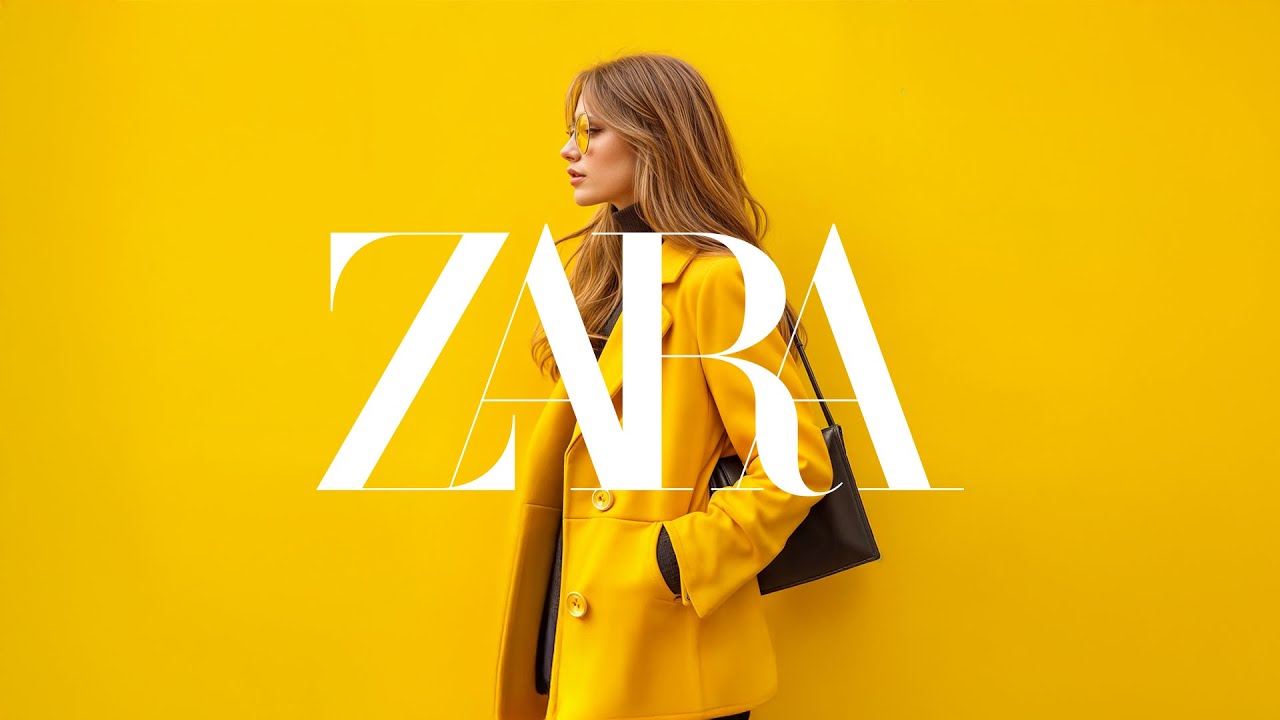
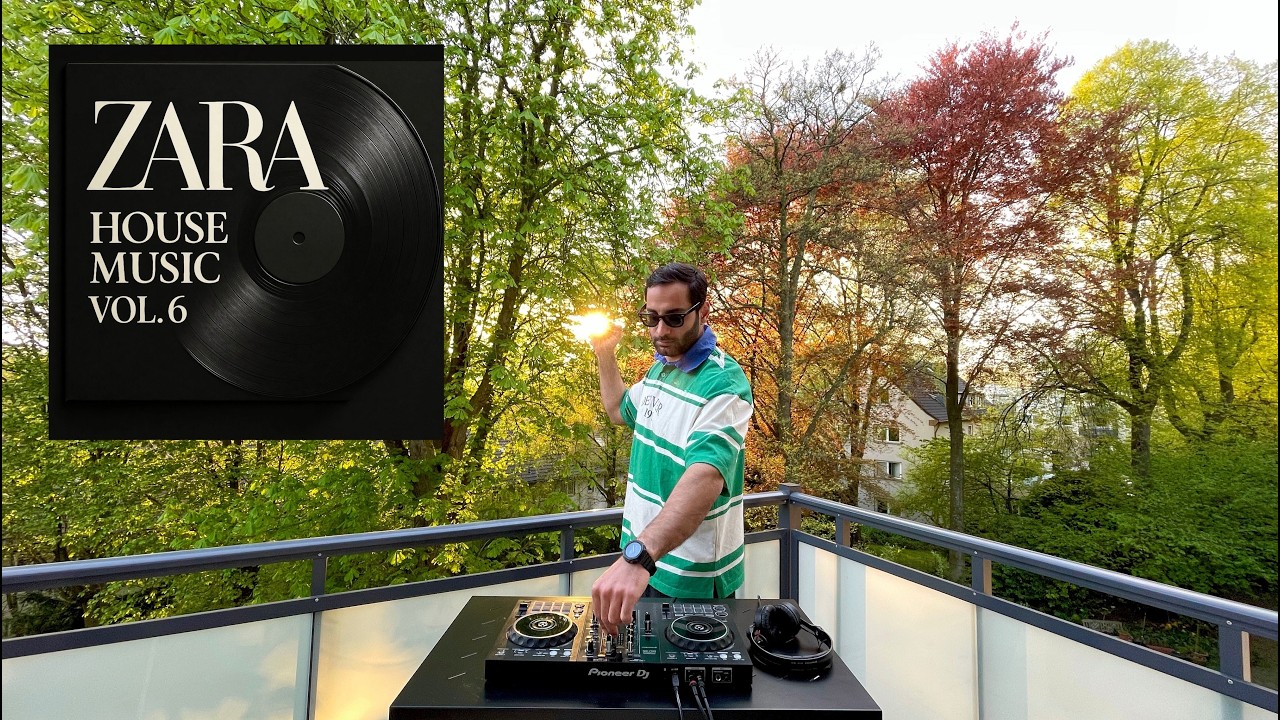
That is why Zara-style playlists are so interesting. Even when many playlists online are fan-made or inspired by Zara rather than official, their popularity shows something important: people associate a specific kind of sound with the fashion retail experience. Spotify has many user-created playlists built around Zara-style store music, proving that listeners actively search for that sleek, urban and polished atmosphere even outside the shop itself.
Why store playlists feel so curated
A fashion store playlist cannot be too distracting.
The music needs to create energy, but it cannot dominate the customer’s attention. It must make the space feel stylish without becoming annoying. This is why these playlists often move between deep house, indie dance, electronic pop, nu-disco and soft club music.
The goal is not only to entertain.
The goal is to make the customer feel inside a lifestyle.
A strong retail playlist makes the store feel more premium, more modern and more desirable. It quietly suggests what kind of person the customer could become by buying into that aesthetic.
Music as brand identity
In fashion retail, sound is branding.
A luxury store might use slower, smoother and more elegant tracks to create exclusivity. A younger fast-fashion store might choose energetic electronic tracks to make the space feel dynamic. A streetwear store might use hip-hop, UK garage or underground club music to suggest cultural credibility.
The playlist becomes part of the brand language.
Just like typography, photography and interior design, music communicates personality. It tells the customer whether the brand is minimal, youthful, premium, experimental or mainstream.
The psychology of shopping soundtracks
Music affects how people move through a space.
A faster rhythm can increase pace. A smoother groove can make people stay longer. A more aspirational sound can make the environment feel more luxurious. The playlist does not need to be obvious to be powerful. In fact, the best retail playlists often work because they are felt more than noticed.
This is where playlist design becomes subtle.
The customer may not remember every song, but they remember the mood.
What playlist curators can learn from fashion stores
Fashion playlists teach curators that music is not only about personal taste.
It is about context.
A great playlist should answer one question: what should this moment feel like?
For a fashion store, the answer might be stylish, urban, confident and modern. For a playlist curator, this is a valuable lesson. The strongest playlists are not random collections of good songs. They are carefully designed environments.
Final Conclusion
Fashion store playlists prove that music can make a brand feel more expensive, more modern and more memorable.
The best retail curation does not simply fill silence.
It creates atmosphere.