TV soundtrack playlists show how one scene can transform a song into a cultural moment. The case of Kate Bush’s “Running Up That Hill” in Stranger Things is one of the strongest examples of how music supervision, emotion and streaming culture can bring an old song back to life for a new generation.
In this post:
- When a scene becomes a playlist
- The Stranger Things effect
- The Kate Bush case
- “Running Up That Hill” and Max’s emotional scene
- From TV moment to streaming phenomenon
- Soundtracks as discovery tools
- What curators can learn from music supervision
- Final Conclusion
Sometimes a playlist starts with a scene.
A character is in danger. A song begins. The camera moves closer. The music becomes more than background sound. It becomes the emotional key to the entire moment.
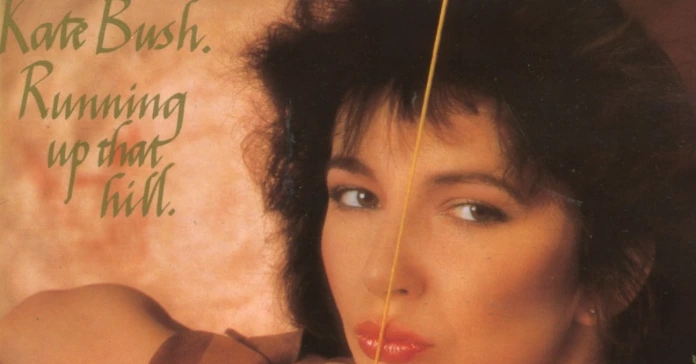
That is exactly what happened with Kate Bush’s “Running Up That Hill” in Stranger Things.
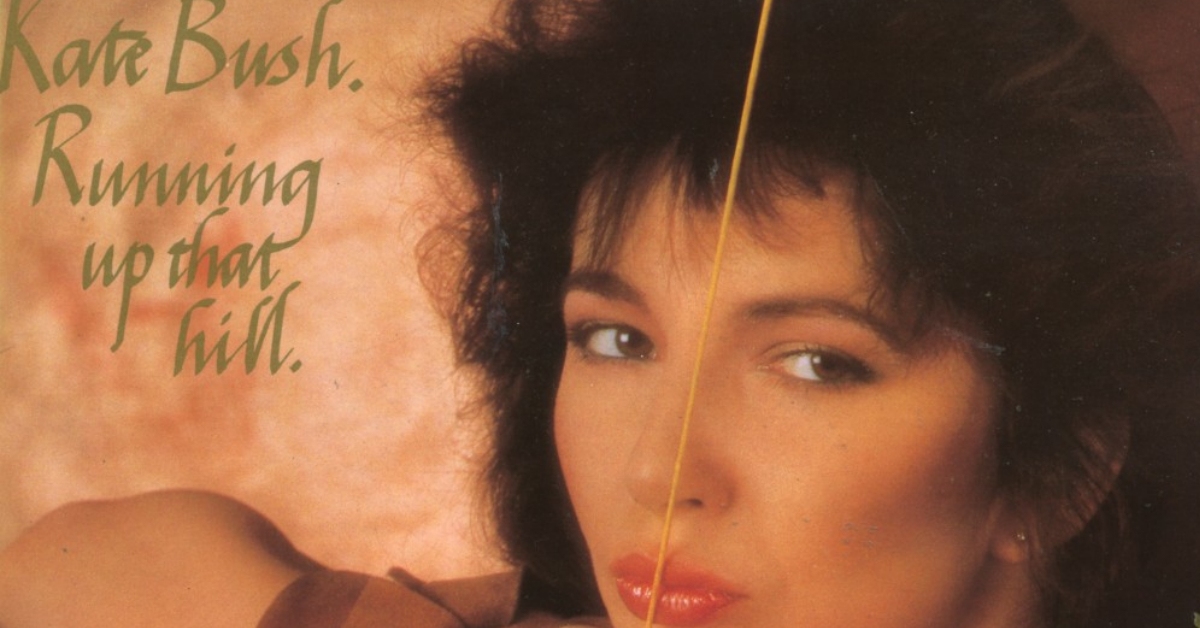
The song was already a classic before the show used it. Released in 1985, it had its own history, its own audience and its own artistic identity. But Stranger Things gave it a new emotional frame. Suddenly, millions of younger listeners were not discovering it as an old song. They were discovering it as Max’s song.
That difference matters.
In playlist culture, context can change everything. A track does not only become popular because it sounds good. It becomes powerful when it attaches itself to a story, a character and a feeling people want to relive.
When a scene becomes a playlist
A great TV music moment does not end when the episode ends.
It continues on Spotify, YouTube, TikTok, fan edits, soundtrack playlists and personal listening habits. The scene becomes repeatable through music. People press play not only to hear the song, but to return to the emotion of the scene.
This is why TV soundtrack playlists are so important.
They are not simply collections of songs used in a series. They are emotional archives. Each track carries a moment. Each moment carries a mood. Each mood becomes something listeners can save, replay and share.
That is the difference between a normal soundtrack and true soundtrack curation.
The best TV placements do not just decorate a scene.
They give the song a new life.
The Stranger Things effect
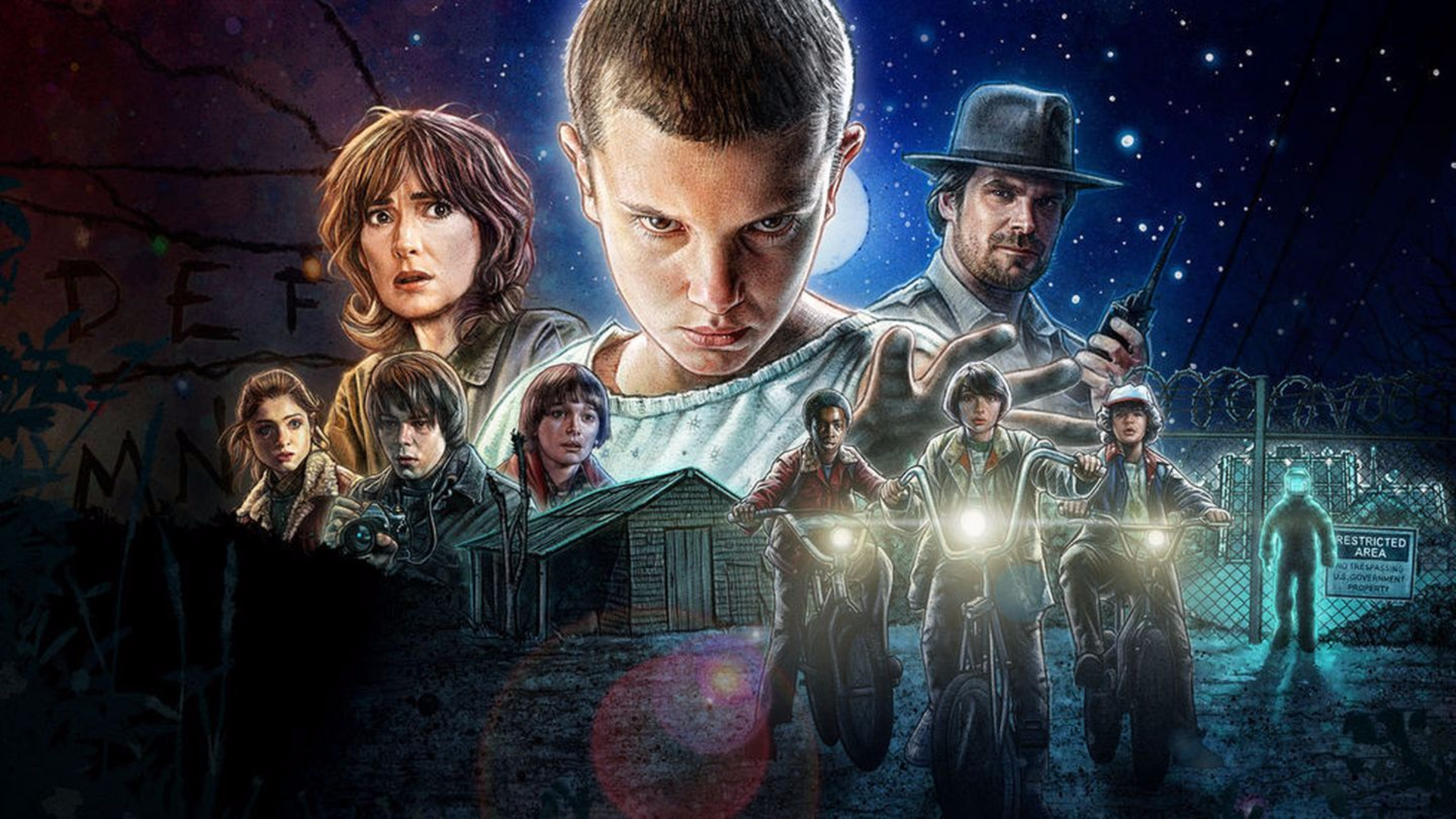
Stranger Things has always understood the emotional power of music.
The show is deeply connected to nostalgia, especially through its 1980s aesthetic, synth-driven score and carefully selected songs. Music is not only used to create atmosphere. It helps build the emotional world of the characters.
That is why the use of “Running Up That Hill” became so powerful.
It was not placed randomly. The song becomes part of Max’s identity, her fear, her trauma and her emotional survival. The track is not simply playing in the background. It becomes a narrative device.
This is the highest form of music supervision.
The song does not support the scene from the outside.
It becomes part of the story.
The Kate Bush case
The Kate Bush case is one of the clearest examples of how a TV placement can revive a song across generations.
After appearing in Stranger Things, “Running Up That Hill” experienced a huge global resurgence. Billboard reported that the track quickly reached No. 2 on Spotify’s U.S. chart and No. 4 on Spotify’s global chart after the show’s exposure.
This is not just a chart result.
It is a cultural shift.
A song from 1985 became one of the most talked-about tracks in the streaming era because a new audience discovered it through emotional storytelling. Younger listeners did not find the track through radio nostalgia or a traditional playlist campaign. They found it through a scene that made the song feel urgent, personal and cinematic.
That is what makes this case so important for playlist curators.
The song was not simply rediscovered.
It was recontextualized.
“Running Up That Hill” and Max’s emotional scene
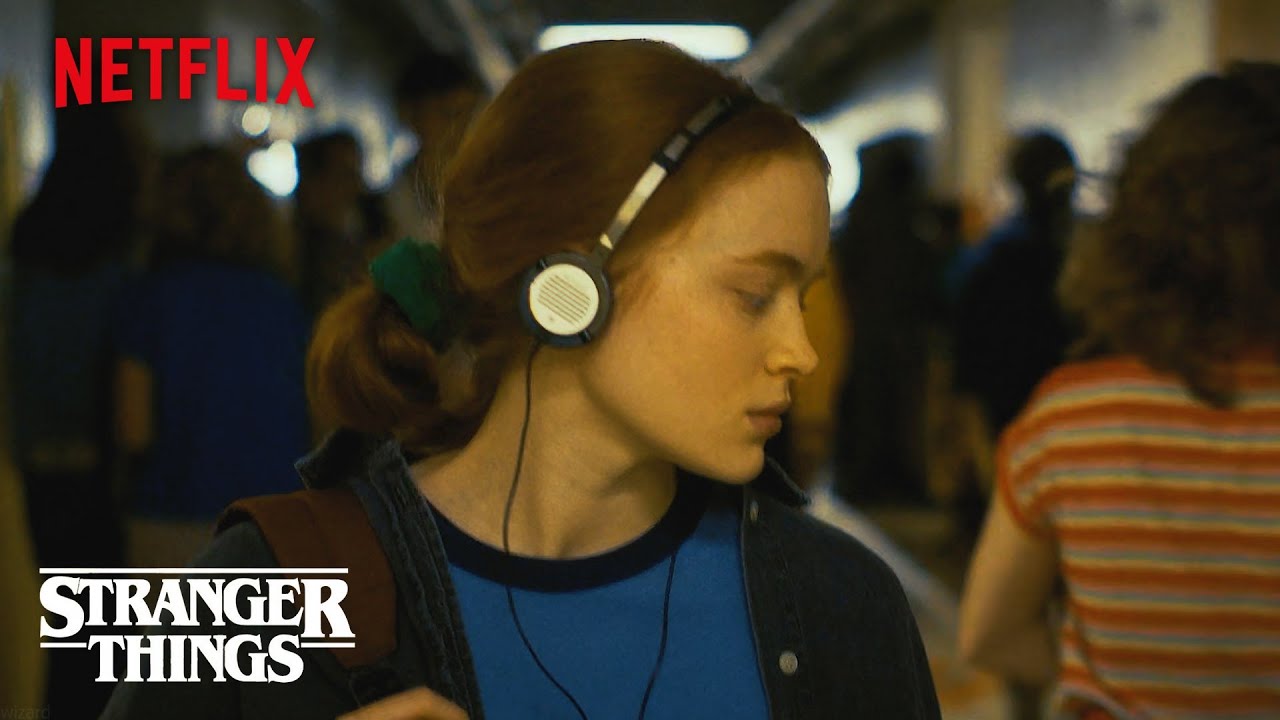
The scene connected to Max became one of the most memorable musical moments of Stranger Things.
In the official Netflix-related YouTube clip often referred to as Max’s Song, “Running Up That Hill” is presented as the emotional center of Max’s battle with Vecna. The video description frames the moment dramatically, saying that the song can “literally save the universe,” which shows how strongly the track became tied to the character’s survival and emotional arc.
This is exactly why the placement worked.
The music is not decorative.
It is functional inside the story.
The characters use the song as a lifeline. The audience hears it as memory, protection, escape and emotional release. That gives the track a completely new layer of meaning.
For viewers, “Running Up That Hill” becomes more than a song.
It becomes a rescue signal.
From TV moment to streaming phenomenon
What happened after Stranger Things shows how modern playlist culture works.
In the past, a TV placement could increase sales or radio attention. Today, it can trigger a complete streaming ecosystem. Listeners search the track, add it to playlists, create edits, post reactions, build fan videos and use the song as a personal emotional reference.
The song moves from the screen to the listener’s daily life.
This is where soundtrack playlists become powerful.
People are not only listening to “Running Up That Hill” because it is a classic. They are listening because it now carries a scene. It carries Max. It carries fear, escape, friendship and survival.
That emotional context makes the song playlist-friendly in a new way.
It can fit into 80s playlists, Stranger Things playlists, cinematic playlists, emotional pop playlists, dark synth playlists and nostalgic soundtrack playlists.
The scene expands the song’s playlist identity.
Soundtracks as discovery tools
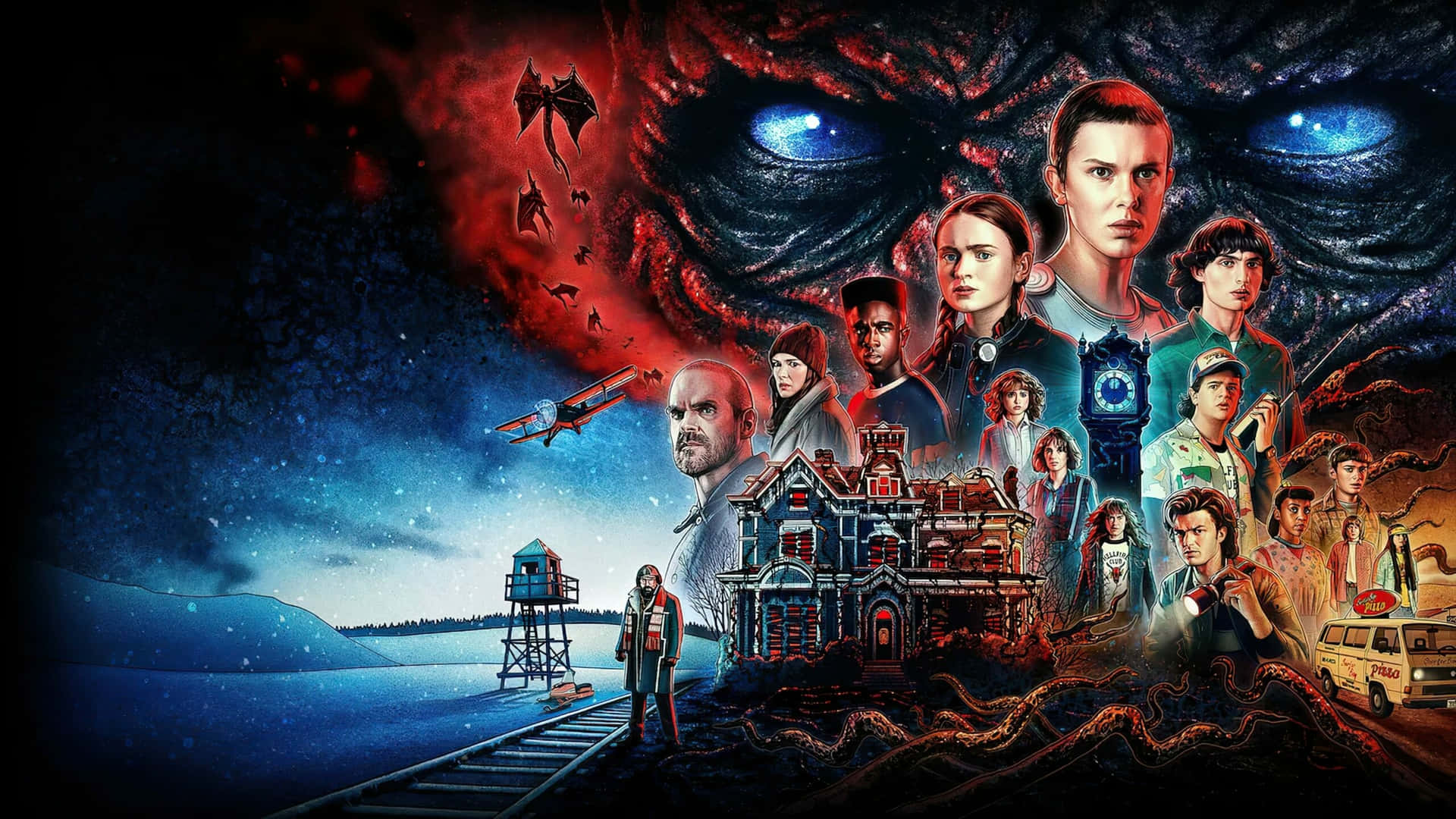
TV shows can function like curators.
They introduce songs to audiences inside emotional contexts. A song that might be skipped in a normal playlist can become unforgettable when connected to the right story.
This is one of the strongest lessons from the Kate Bush case.
A track does not always need to be new to feel fresh.
It needs the right placement.
The right scene can make an older song feel urgent again. It can make younger listeners feel like they have discovered something personal, even if the song has existed for decades.
That is the power of music supervision.
It turns catalog music into new discovery.
What curators can learn from music supervision
Playlist curators can learn a lot from TV music supervision.
A strong placement is never random. It is chosen because it supports emotion, character and story. The same should be true for playlist building.
A TV-inspired playlist should not simply collect songs from a show. It should recreate the emotional atmosphere of the show.
If the scene feels tense, the playlist should carry tension.
If it feels nostalgic, the sequencing should support memory.
If it feels cinematic, the tracks should have space and drama.
If it feels personal, the playlist should feel intimate.
This is how soundtrack playlists become more than lists.
They become emotional journeys.
Final Conclusion
The case of Kate Bush and Stranger Things proves that context can completely transform a song.
“Running Up That Hill” was already a classic, but Stranger Things gave it a new role, a new audience and a new emotional meaning. Through Max’s story, the track became one of the most powerful examples of how TV, streaming and playlist culture now work together.
A song is never only a song.
Sometimes it is a scene people want to relive.
Sometimes it is a memory.
Sometimes it is a lifeline.
And for playlist curators, that is the lesson: the right context can bring music back to life.