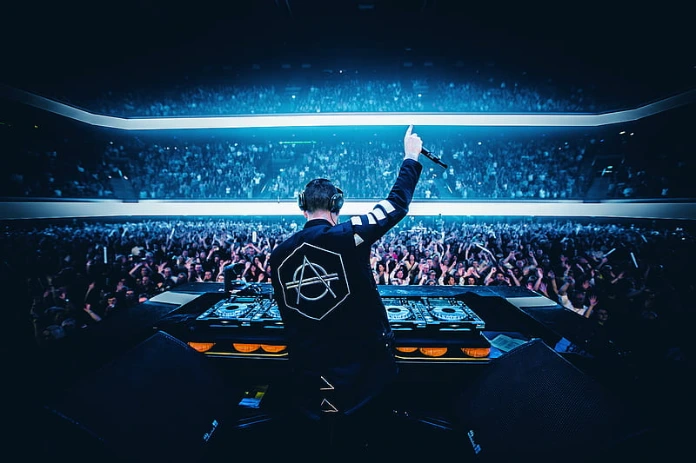
There are DJs who become famous because they arrive at the right moment, and others who spend years building their own moment from scratch. Don Diablo belongs firmly to the second group.
Long before the festival main stages, the futuristic visuals and the HEXAGON logo appeared across clubs around the world, Pepijn Schipper was simply a teenager from the Netherlands trying to understand how music worked. He started producing at thirteen, working with basic equipment and whatever technology he could find, before gradually moving into DJing and learning how his own productions behaved outside the bedroom.
What followed was anything but a straight climb to the top. His early years were shaped by bad contracts, production work behind the scenes, industry setbacks and long periods in which success seemed to remain just out of reach. At different moments he came close to walking away from music completely.
Instead, those setbacks eventually became the foundation of everything that came later.
Don Diablo would go on to become one of the artists most closely associated with future house, build HEXAGON into an international label and community, and develop a creative universe that stretches far beyond music into fashion, art, technology and visual culture.
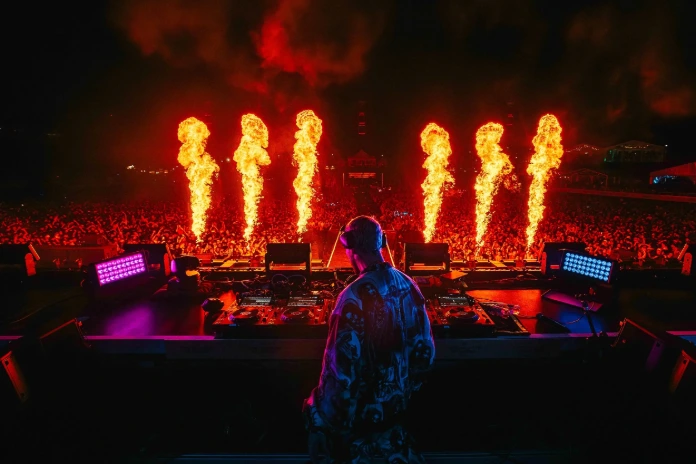
More importantly, he became one of those rare electronic artists who learned how to make underground instincts work on the largest stages in the world without completely losing the identity that got him there.
In this post
• The early years of Don Diablo
• The contracts and setbacks that almost ended his career
• The personal loss that changed his perspective
• How Don Diablo found his future house sound
• The records that defined his breakthrough
• The creation and rise of HEXAGON
• Turning a label into a global community
• Expanding into fashion, art and technology
• Why reinvention has always been central to his career
• CONTROL ALT DELETE and the next chapter
• Final thoughts
The Early Years of Don Diablo
Don Diablo was born Pepijn Schipper in the Netherlands and began making music while still in his early teens. His first setup was modest, built around a second-hand computer, basic software and the kind of equipment that forces you to learn through experimentation rather than instruction.
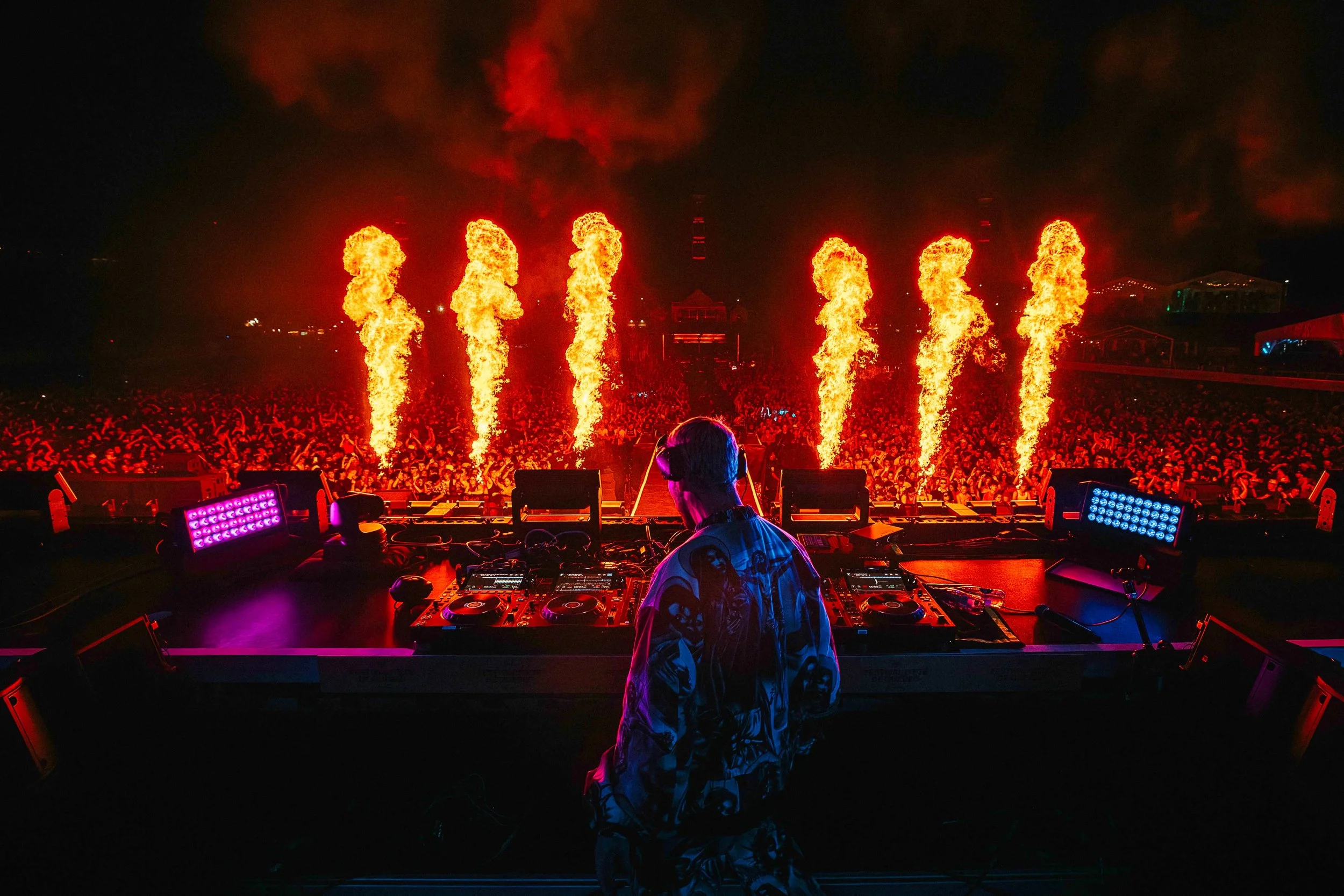
DJing came naturally afterwards. At first, it was less about becoming a performer and more about understanding what his own records could do in front of people. His early sets took place far from the giant stages he would later headline, including a youth centre in his hometown of Coevorden, where he played on belt-drive turntables and vinyl.
Those beginnings matter because they explain a lot about the artist Don Diablo would eventually become. His career was never built around simply standing behind a mixer. From the beginning, he was interested in the whole process: creating the music, presenting it, shaping its visual identity and imagining the world around it.
The problem was that the music industry was not always equally interested in helping him do that.
The Contracts and Setbacks That Almost Ended His Career
Schipper entered the professional music world very young and, like many artists who sign deals before fully understanding the business around them, quickly discovered how complicated that world could be.
Some of his early contracts proved restrictive, while other periods saw him working heavily behind the scenes, producing for other artists without always receiving the recognition he expected. He was gaining experience, but not necessarily building the career he had imagined.
For years, progress came in bursts, there would be a promising release, an opportunity abroad, a new connection or a breakthrough moment, followed by another period of uncertainty. Even when major-label interest arrived, the people supporting his project could suddenly disappear or plans could change.
The constant stop-start nature of the industry became exhausting.
At one point, Diablo seriously considered giving up music. It was not the dramatic “almost quit” moment often added retrospectively to artist biographies. He had spent years working, compromising, adapting and still finding himself in situations where somebody else seemed to control the next move.
That frustration eventually pushed him toward something that would later define his career: independence.
The Personal Loss That Changed His Perspective
The most important turning point in Don Diablo’s story did not come from a chart position or a festival booking, it came from his family.
As his father became terminally ill, Diablo began reconsidering the way he had approached both music and life. Until then, ambition had often been tied to struggle. He had spent so much time trying to prove himself, survive contracts and navigate the industry that the process itself had become increasingly difficult to enjoy.
His father’s final advice forced him to look at things differently, after his death, Diablo started to think less about where the industry wanted him to fit and more about what kind of artist he actually wanted to become.
That shift sounds simple, but in practice it changed almost everything, the years that followed would see him stop chasing external approval and begin shaping a sound, label and creative identity that felt much more personal.
Finding the Future House Sound
The music that eventually transformed Don Diablo’s career did not arrive through a carefully planned reinvention.
It developed gradually through records including “Back In Time,” “Anytime” and “Knight Time,” which began establishing a production style built around groove, melody, bass-heavy drops and chopped vocal textures.
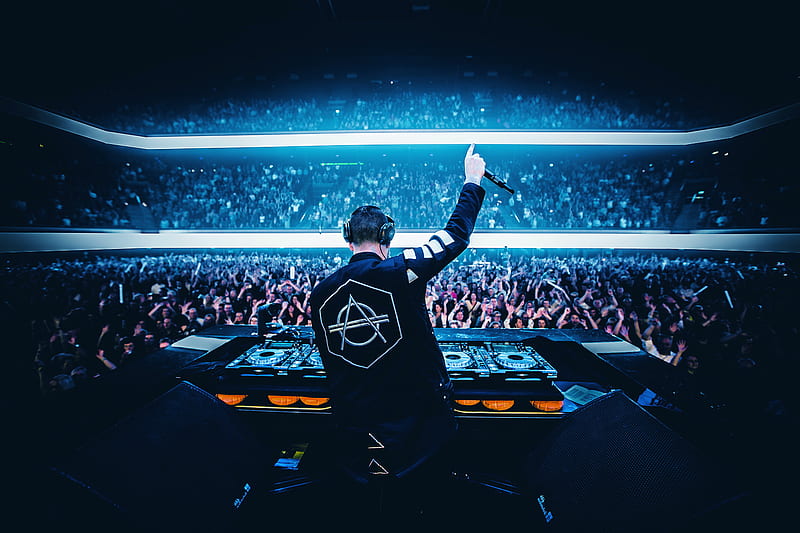
At the time, festival EDM was already becoming enormous, but much of the scene was moving toward increasingly predictable formulas. Diablo’s records still had enough energy to work on huge stages, yet they carried a different bounce and a slightly more playful musical identity.
That sound soon became strongly associated with future house.
Don Diablo was not the only artist working in the style, but he quickly became one of the scene’s most recognisable figures. Tracks such as “On My Mind,” “Chemicals,” “Cutting Shapes,” “Momentum” and later “Survive” helped define a period in which his productions became immediately identifiable.
There was polish, but not sterility. There was festival scale, but still enough groove to feel rooted in club music.
After years of trying to understand where he belonged, Don Diablo had finally created a space that sounded like his own.
From Breakthrough Records to a Global Audience
The next phase happened quickly, as future house moved from club sets into festival culture, Diablo found himself playing increasingly large stages while maintaining a sound that stood apart from the dominant big-room approach of the era.
His music also began travelling beyond traditional dance audiences.
Remixes, collaborations and crossover records introduced his production style to listeners who may never have considered themselves part of electronic music culture, while his festival appearances gave him the opportunity to turn the Don Diablo project into something far more visual and theatrical.
That balance became one of his biggest strengths, he had learned how to make club-influenced music feel big enough for tens of thousands of people without completely stripping away the details that made it interesting in the first place.
It is a skill shared by relatively few artists: taking something rooted in dance culture and learning how to make that culture work on the largest stages in the world.
The Creation of HEXAGON
If Don Diablo’s records established his sound, HEXAGON turned that sound into a wider movement.
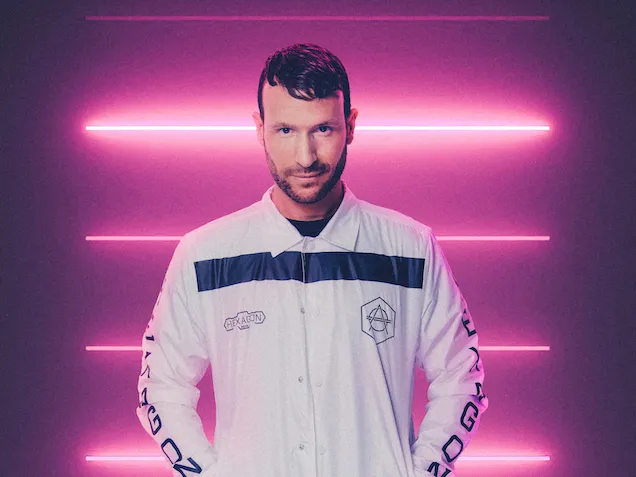
Launched in 2015, the label was created as a home for music that reflected the same forward-thinking approach Diablo had been developing in his own work. Its early releases quickly established a clear identity, but the idea was never simply to sign producers who sounded exactly like Don Diablo.
The philosophy was broader, HEXAGON was meant to support music with emotion, personality and something futuristic at its core.
That distinction allowed the label to grow without becoming a carbon copy of its founder.
Over time, HEXAGON developed into a platform for emerging producers, a radio show, an events brand and eventually one of the most recognisable communities connected to modern house music, for Don Diablo, the label also represented something personal.
After spending years dealing with systems he could not control, he had finally built one of his own.
Turning a Label Into a Community
HEXAGON’s real strength came from the fact that fans did not simply treat it as a record label.
They treated it as an identity.
The community began calling themselves Hexagonians, adopting the logo, travelling to events and forming an unusually strong connection with the world Don Diablo was building around the music.
The label’s visual language became almost as important as its releases, there was a clear aesthetic running through the artwork, stage design, clothing and online presence, creating the sense that HEXAGON was not just distributing tracks but building an entire universe around them.
That approach became especially important as electronic music became increasingly brand-driven.
Some artists treated branding as something added after the music. Diablo approached it the other way around. The music, visuals, fashion, storytelling and technology all became parts of the same project.
By the time HEXAGON reached its tenth anniversary, it had become difficult to separate the label from Don Diablo’s wider legacy.
Beyond Music: Fashion, Art and Technology
The same curiosity that led Diablo into production as a teenager eventually pulled him far beyond the conventional boundaries of DJ culture.
Over the years he expanded into fashion, digital art, NFTs, film and technology, bringing the futuristic language of HEXAGON into completely different spaces.
His fashion projects connected with major entertainment brands, while his digital artworks entered platforms and institutions usually far removed from festival EDM.
For some artists, these ventures can feel like distractions from the music, in Diablo’s case, they make more sense as extensions of the same idea, he has always been interested in building worlds.
Whether the final result is a record, an artwork, a clothing collaboration or a live visual environment, the objective remains similar: create something recognisably his own and push it slightly beyond what people expect from a DJ.
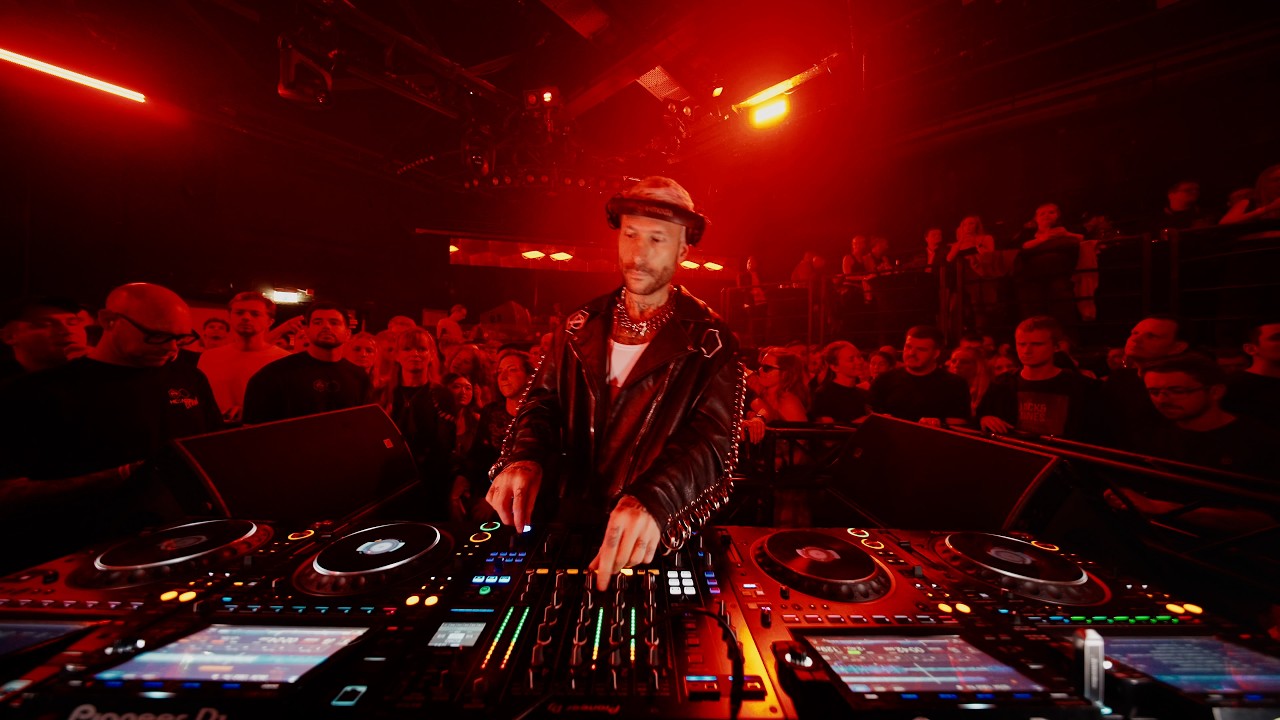
Collaboration Without Losing Identity
Another important part of Don Diablo’s career has been his willingness to work across genres without completely dissolving into them.
Over the years, he has collaborated with or remixed artists connected to pop, rock and mainstream electronic music, including names such as Coldplay, Ed Sheeran, Dua Lipa and Justin Bieber.
Those collaborations helped widen his audience, but they also showed how adaptable his production style could be.
The most successful Don Diablo crossover records still tend to carry details that make them recognisable: the vocal processing, the rhythmic bounce, the glossy low end, or the slightly futuristic edge that has followed his work for years.
Rather than treating pop success and club credibility as opposites, he learned how to move between both worlds.
Reinvention Instead of Nostalgia
The risk of becoming closely associated with a genre is that eventually the genre itself becomes a cage, Don Diablo seems acutely aware of that.
Instead of spending the rest of his career recreating the future-house formula that made him famous, he has repeatedly looked for ways to move beyond it.
That has included experiments with different tempos, lo-fi production, more melodic material and, more recently, the creation of CONTROL ALT DELETE.
The project allows him to explore drum & bass and darker forms of electronic music without forcing those ideas into the expectations surrounding the Don Diablo name, it feels less like a side project than another example of the mentality that has defined his career, when the existing structure becomes too restrictive, he builds another one.
CONTROL ALT DELETE and the Next Chapter
CONTROL ALT DELETE is perhaps the clearest sign that Don Diablo still sees his career as unfinished.
After more than two decades in electronic music, he could easily rely on the sound and identity that made him successful. Instead, the project gives him an excuse to become uncomfortable again, explore a different musical language and reconnect with the uncertainty that often makes creativity interesting in the first place.
There is something fitting about that, Don Diablo’s career has always moved forward through moments of disruption.
Bad contracts pushed him toward independence. Industry setbacks forced him to rethink his path. Personal loss changed his priorities. Future house gave him a new identity. HEXAGON gave him control over the wider world surrounding that identity.
Now, rather than protecting the past, he appears more interested in creating whatever comes next.
Final Thoughts
The easiest way to describe Don Diablo is as one of the defining artists of future house.
It is also incomplete, his real story is about what happened before and after that label.
It is about a young producer who entered the music business early enough to learn some of its hardest lessons, an artist who repeatedly found himself close to giving up, and someone who eventually realised that the best way to survive the industry was to stop waiting for it to provide a place for him.
So he created one, HEXAGON became that place for his music, his visual identity, his community and eventually for other artists as well.
More than twenty years into his career, that may be Don Diablo’s most important achievement. Not simply helping define a genre, but learning how to turn setbacks into structure, a sound into a movement, and an obsession with the future into something people around the world could recognise as their own.
For an artist who has spent so much time looking ahead, the most interesting part of the Don Diablo story is that the future still does not seem finished.